
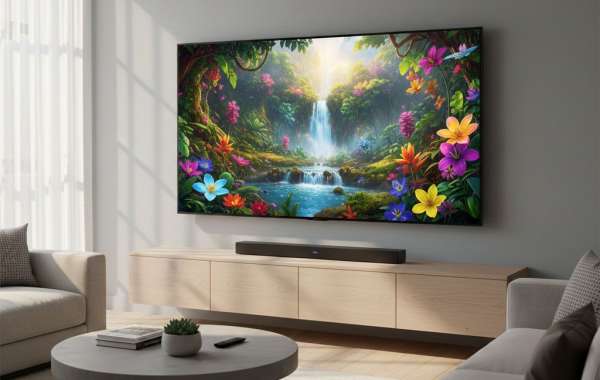
Finding the Perfect Spot: Setting Up Your QLED TV for Success
Investing in a high-end television is only the first step toward a premium home cinema experience. Whether you have just purchased a QLED TV or are planning to upgrade your current living room setup, where you place that screen is just as important as the technology inside it. QLED, or Quantum Dot Light Emitting Diode technology, is famous for its incredible brightness and vibrant color volume. However, to truly see those colors pop, you need to consider the environment.
Understanding the Power of QLED Technology
Before diving into placement, it is essential to understand what makes these screens unique. Unlike traditional LEDs, QLEDs use a layer of quantum dots that react to light to produce specific colors. This results in a much wider color gamut and higher peak brightness. This brightness makes a Samsung QLED TV particularly effective in rooms with a lot of natural light. While OLEDs might struggle with glare, QLEDs are designed to punch through it.
The Importance of Viewing Distance
One of the most common mistakes people make is sitting too close or too far from their new display. For a 4K QLED, the ideal viewing distance is usually between 1 to 1.5 times the vertical screen size. If you have a massive screen, sitting too close might reveal the pixel structure, while sitting too far means you lose the benefit of that crisp 4K resolution. Finding that "sweet spot" ensures that your eyes can take in the whole image without straining.
Calculating the Ideal Mounting Height
Neck strain is the enemy of a good movie night. A general rule of thumb is that the center of the screen should be at eye level when you are seated. Many people make the mistake of mounting their TV too high—often referred to as the "TV over the fireplace" trap. If you must mount it high, ensure you use a tilting wall mount to angle the screen downward toward your seating area. This preserves the color accuracy and contrast that an LG QLED is known for.
Managing Natural and Ambient Light
QLEDs are the champions of bright rooms. However, direct sunlight hitting the screen can still cause reflections that obscure dark scenes in movies. When positioning your TV, try to place it perpendicular to windows rather than directly opposite them. If your room has many windows, consider using blackout curtains or smart blinds. This allows you to appreciate the deep blacks and high contrast ratios of a TCL QLED without the distraction of a window's reflection staring back at you.
Optimizing Viewing Angles
While QLED technology has improved significantly, the best picture quality is still found when sitting directly in front of the screen. As you move to the side, you might notice a slight shift in color or a decrease in brightness. If your room layout requires wide seating arrangements, look for models with "Ultra Viewing Angle" layers. This ensures that even the person on the far end of the sectional sofa gets a great view of the QLED TV.
Furniture Integration and Aesthetics
The furniture you choose should complement the TV, not clutter it. A low-profile media console is often the best choice for QLEDs, as it keeps the screen at a natural viewing height and provides space for soundbars and gaming consoles. Ensure there is enough ventilation around the TV; even though QLEDs run cooler than old plasma sets, they still need airflow to maintain the longevity of the internal components.
Cable Management for a Clean Look
Nothing ruins the sleek look of a modern TV setup like a "spaghetti" mess of wires hanging from the bottom. Many modern sets come with "One Invisible Connection" or built-in cable tracks in the stand. Use these features to hide HDMI and power cables. If you are mounting the TV on a wall, consider installing an in-wall cable management kit to keep the focus entirely on the beautiful 4K or 8K visuals.
Calibrating for Your Specific Room
Once the TV is physically in place, the work isn't quite done. Every room has different acoustics and lighting. Most QLEDs come with "Intelligent Mode" or "Ambient Mode" that adjusts the brightness and sound based on the room's conditions. Taking ten minutes to go through the picture settings—switching from "Vivid" to "Filmmaker Mode" or "Movie Mode"—can dramatically improve the realism of what you’re watching.
Sound Placement and Synergy
A great picture deserves great sound. If you are adding a soundbar or a surround sound system, ensure the speakers are not blocking the bottom of the TV. If your TV is on a stand, the soundbar should sit just below it. If the TV is wall-mounted, the soundbar should be mounted just below the screen or placed on a shelf. This creates a cohesive audio-visual experience where the sound feels like it is coming directly from the action on the screen.
Creating a Dedicated Entertainment Hub
Ultimately, setting up your TV is about creating a space where you can relax. Consider the placement of your seating, the distance from the speakers, and even the color of the wall behind the TV. A neutral-colored wall (like grey or off-white) can actually help your eyes perceive colors more accurately. By following these placement tips, you ensure that your investment provides the best possible performance for years to come.
Conclusion: Experience Perfection with Lahore Centre
Creating the ultimate home entertainment setup is about more than just buying the latest technology; it is about harmonizing your hardware with your living space. By carefully considering viewing angles, mounting heights, and lighting conditions, you can ensure that every movie night feels like a trip to the cinema. Whether you are leaning toward the industry-leading brightness of a Samsung, the sleek integration of an LG, or the incredible value of a TCL, proper placement is the key to unlocking the full potential of your investment. At Lahore Centre, we are committed to helping you find not only the best high-performance QLED TV but also the expert advice needed to make it shine in your home. Visit us today to explore our extensive collection and let our team help you transform your living room into a world-class viewing gallery.