
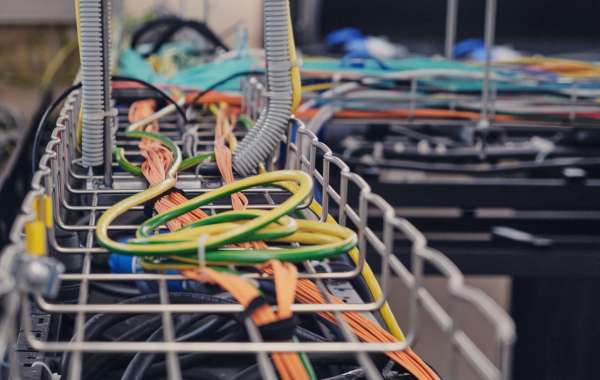
In today’s modern construction and infrastructure projects, smart building solutions are no longer optional. From energy efficiency to occupant comfort and safety, automation plays a critical role. At the core of these intelligent systems are BMS Cables, an essential component that enables seamless communication between different building management systems.
BMS Cables are specifically designed to support data transmission, control signals, and low-voltage power requirements across various automated building functions. Whether it is a commercial complex, hospital, data center, or residential tower, BMS cables ensure that all systems operate in sync and perform efficiently.
What Are BMS Cables?
BMS Cables, or Building Management System cables, are low-voltage cables used to connect and integrate different automation systems within a building. These systems include HVAC, lighting control, fire alarms, access control, energy monitoring, and security systems.
Unlike standard electrical cables that only supply power, BMS cables are engineered to transmit control signals and data reliably. They are manufactured with high-quality copper conductors, durable insulation, and optional shielding to maintain signal integrity and minimize interference in complex electrical environments.
Importance of BMS Cables in Building Automation
Modern buildings rely on centralized control systems to manage daily operations efficiently. BMS cables act as the communication network that allows sensors, controllers, and actuators to exchange information in real time.
Without properly selected BMS cables, automation systems may suffer from signal loss, delayed responses, or system failures. High-quality BMS cables help improve energy efficiency, reduce operational costs, enhance safety, and ensure smooth integration of all building subsystems.
Key Functions of BMS Cables
1. Data and Signal Transmission
One of the primary roles of BMS cables is the reliable transmission of data between devices. Sensors placed throughout a building collect information such as temperature, humidity, occupancy, and air quality. BMS cables carry this data to central controllers, which then send commands back to devices for necessary adjustments.
Accurate data transmission is critical for maintaining comfort levels and optimizing energy usage. Poor-quality cables can result in signal interference, leading to inaccurate readings and inefficient system performance.
2. Low-Voltage Power Supply
Many automation devices such as sensors and controllers require low-voltage power to function. Certain types of BMS cables are designed to supply both power and control signals simultaneously, reducing the need for separate wiring and simplifying installation.
This integrated approach improves system reliability and reduces overall wiring complexity within the building.
3. System Integration and Control
BMS cables enable seamless integration between different building systems. HVAC, lighting, security, fire detection, and energy management systems can all be controlled from a central platform when connected through compatible BMS cabling.
This integration allows facility managers to monitor performance, detect faults early, and make data-driven decisions to improve efficiency.
Types of BMS Cables
BMS cables are available in multiple configurations to meet different installation requirements:
- Shielded BMS Cables: Designed to reduce electromagnetic interference, ideal for environments with high electrical noise
- Unshielded BMS Cables: Suitable for simpler installations with minimal interference
- PVC Insulated Cables: Commonly used for general indoor applications
- LSZH Cables: Low Smoke Zero Halogen cables preferred in public buildings for enhanced fire safety
- Multi-Core Cables: Used for complex systems requiring multiple signal paths
- Armoured BMS Cables: Provide additional mechanical protection in harsh or outdoor environments
Selecting the right type of BMS cable ensures system reliability and long-term performance.
Applications of BMS Cables
HVAC Systems
BMS cables are widely used in heating, ventilation, and air conditioning systems. They connect thermostats, sensors, dampers, and controllers, enabling automated temperature regulation and energy optimization.
Lighting Control Systems
Smart lighting systems depend on BMS cables to communicate between sensors, dimmers, and control units. This allows lights to respond to occupancy and natural daylight, significantly reducing power consumption.
Security and Fire Safety Systems
Access control panels, CCTV cameras, motion sensors, and fire alarm systems all rely on BMS cables for reliable communication. Integrated safety systems improve response time during emergencies and enhance overall building security.
Energy Monitoring and Management
Energy meters and monitoring devices use BMS cables to transmit consumption data to central systems. This data helps building owners track usage patterns, identify inefficiencies, and reduce operational costs.
How to Choose the Right BMS Cable
When selecting BMS cables for a project, several factors should be considered:
- Signal type and data transmission requirements
- Environmental conditions such as heat, moisture, and interference
- Fire safety regulations and compliance standards
- Cable length and routing complexity
- Future scalability and system expansion
Proper planning during the cable selection stage can prevent performance issues and costly upgrades later.
Benefits of Using High-Quality BMS Cables
- Improved system reliability and accuracy
- Reduced signal loss and interference
- Enhanced safety and compliance with building standards
- Lower maintenance and troubleshooting costs
- Better energy efficiency and operational control
High-quality BMS cables contribute directly to the success of any building automation project.
Conclusion
BMS Cables form the foundation of efficient and intelligent building management systems. They enable smooth communication between automation devices, support system integration, and help optimize building performance. As smart buildings continue to evolve, the role of reliable BMS cabling becomes even more critical.
Choosing the right BMS cables ensures long-term system stability, energy efficiency, and operational success. For any modern construction or automation project, investing in high-quality BMS cables is not just a technical decision but a strategic one.