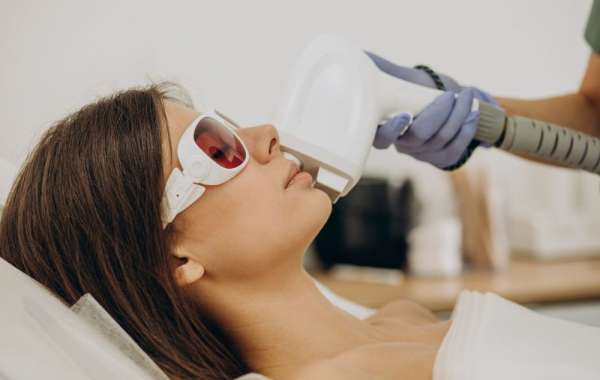
Laser technology has revolutionized skin care and aesthetic treatments, offering targeted solutions for pigmentation, scars, and overall skin rejuvenation. Among the options available, Q-switched Laser Treatment has gained popularity for its precision and versatility. However, it is just one type of laser therapy, and understanding how it differs from other laser treatments is essential for choosing the best approach for your skin concerns and desired outcomes.
What Is Q-Switched Laser Treatment:
Q-switched lasers emit ultra-short pulses of high-energy light, measured in nanoseconds, that target pigment particles without causing excessive heat to surrounding skin. This makes them highly effective for breaking down unwanted pigment while minimizing tissue damage. Key characteristics include:
Ultra-short pulse duration for precise targeting
High peak energy absorbed by melanin or ink
Minimal thermal damage to healthy tissue
How Fractional Lasers Work:
Fractional lasers, including CO2 and erbium lasers, work by creating microscopic columns of controlled damage in the skin to stimulate collagen production and resurfacing. Unlike Q-switched lasers, fractional lasers rely on thermal energy rather than rapid photoacoustic pulses. Their effects include:
Improved skin texture and firmness
Reduction of fine lines and scars
Controlled micro-injury for collagen remodeling
Pico Lasers vs Q-Switched Lasers:
Pico lasers are similar in function to Q-switched lasers but deliver energy in picoseconds—one-thousandth of a nanosecond. This allows for even finer fragmentation of pigment particles, often requiring fewer sessions. Differences include:
Shorter pulse duration for more precise pigment targeting
Reduced risk of thermal damage
Often faster results for tattoos and stubborn pigmentation
Ablative vs Non-Ablative Lasers:
Ablative lasers remove the outer layers of skin to promote regeneration, while non-ablative lasers work below the surface without removing tissue. Q-switched lasers fall into a non-ablative category for pigment targeting. Comparing the two:
Ablative lasers: effective for deep wrinkles and severe scarring
Non-ablative (including Q-switched): safer for pigment, minimal downtime
Choice depends on the specific skin concern and recovery tolerance
Treatment Objectives and Skin Concerns:
Different laser types are suited to different skin concerns. Q-switched lasers excel at pigment-related issues, while fractional or ablative lasers are often used for texture, scarring, and fine lines. Matching technology to the goal is critical, with common objectives including:
Pigmentation reduction and tattoo removal (Q-switched)
Skin resurfacing and wrinkle reduction (fractional/ablative)
Subtle collagen stimulation and tone improvement (non-ablative)
Session Duration and Recovery:
The nature of the laser affects treatment time and recovery. Q-switched lasers typically have short sessions with minimal downtime, whereas ablative and fractional treatments may require longer recovery due to skin resurfacing. Considerations include:
Session length varies from 10–30 minutes for Q-switched lasers
Post-treatment redness or swelling may occur with ablative/fractional lasers
Recovery time: minimal for Q-switched, several days for ablative
Pain and Comfort Levels:
Patient comfort differs across laser types. Q-switched lasers are generally tolerable, often described as snapping or tingling sensations. Fractional and ablative lasers can be more uncomfortable and may require topical or local anesthesia. Factors influencing comfort include:
Energy intensity and pulse duration
Skin sensitivity and treated area
Cooling mechanisms and pain management strategies
Number of Sessions Required:
The number of treatments varies depending on laser type and concern. Q-switched lasers often require multiple sessions for deeper pigmentation or tattoos, while fractional and ablative lasers may achieve more dramatic results in fewer treatments but with longer recovery. Session planning involves:
Severity and depth of pigment or lesion
Skin type and healing response
Desired outcome and maintenance strategy
Safety and Side Effects:
Safety profiles differ across laser technologies. Q-switched lasers are highly selective and generally safe for various skin types when used correctly, whereas ablative lasers carry higher risks of infection or scarring due to tissue removal. Key safety considerations include:
Selective targeting to minimize collateral damage
Appropriate wavelength selection for skin tone
Post-treatment care to reduce side effects
Long-Term Results and Maintenance:
The type of laser chosen affects both the longevity of results and the need for maintenance. Q-switched lasers provide durable improvements for pigmentation, but ongoing sun protection is critical. Fractional and ablative lasers often require periodic maintenance for collagen-stimulated results. Long-term considerations include:
Sun protection and lifestyle choices
Periodic follow-up sessions for sustained results
Combining treatments for comprehensive outcomes
Final Thoughts.
Understanding the key differences between Q-switched laser treatment and other laser technologies helps individuals make informed decisions about their skin care goals. While Q-switched lasers excel in pigment-targeting and minimal downtime, fractional and ablative lasers serve different purposes such as skin resurfacing and collagen stimulation. Choosing the right treatment depends on your specific concern, skin type, and desired outcomes, with proper guidance ensuring safety, effectiveness, and long-lasting results.