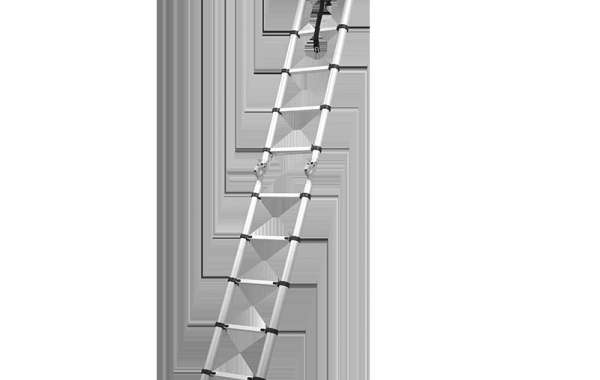
The long-term performance, safety, and reliability of a telescopic extension ladder are directly influenced by the materials used in its construction and the consistency of maintenance it receives. Aluminum remains the predominant material for the rails of a telescopic extension ladder due to its light weight and durability. High-strength aluminum alloys are treated to resist corrosion, which is essential as the ladder may be used outdoors. For environments where electrical hazards are a concern, such as utility work or residential wiring, a fiberglass telescopic extension ladder is the appropriate selection. Fiberglass composite rails are electrically non-conductive, providing a critical safety buffer, though they are generally heavier than their aluminum counterparts.
The locking mechanism, the most dynamically stressed part of the ladder, is typically constructed from hardened steel or robust engineering polymers to withstand repeated engagement cycles. The rungs, or steps, are often coated with a textured, slip-resistant surface to provide secure footing in various weather conditions. Regardless of material quality, a systematic maintenance routine is essential for any telescopic extension ladder. After each use, especially in dirty or wet conditions, the ladder should be wiped down with a dry cloth. Extending and retracting the ladder a few times can help dislodge small particles like sand or grit that could interfere with the locks or scratch the sliding surfaces. Particular attention should be paid to cleaning the locking pins and the rungs they engage with.
A formal inspection should be conducted regularly and before any significant task. This involves examining the entire telescopic extension ladder for any signs of damage: cracks or dents in the rails, bent rungs, or compromised feet. The locking mechanisms must be tested on each section; they should engage with a firm, audible click and resist closing when weight is applied. The ropes or straps used for extension should be checked for fraying. Lubrication should be applied sparingly and only with products recommended by the manufacturer, as some lubricants can attract dirt or degrade plastics within the mechanism. Proper storage is the final component of care; the telescopic extension ladder should be kept fully retracted in a dry, clean area, away from extreme temperatures and direct sunlight, which can degrade materials over time. By selecting a ladder built from suitable materials and adhering to a disciplined protocol of cleaning, inspection, and correct storage, users can ensure their telescopic extension ladder remains a dependable and safe tool for years of service.