
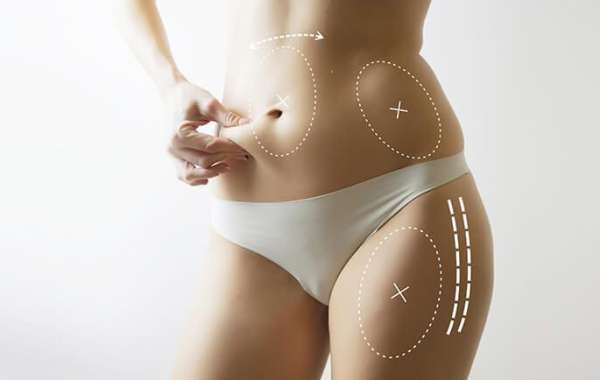
Many people mistakenly believe that liposuction is a shortcut to losing weight, but this perception is far from reality. Patients considering Liposuction in Riyadh often expect dramatic weight loss, only to discover that the procedure is designed for body contouring rather than reducing overall body mass. Understanding what liposuction actually does—and what it cannot do—is crucial for anyone exploring cosmetic fat removal.
Liposuction Targets Fat, Not Weight:
Liposuction removes localized fat deposits from specific areas of the body, such as the abdomen, thighs, arms, back, and chin; the procedure is not intended to treat obesity or replace diet and exercise, as the total weight reduction is typically modest and focused on reshaping body contours rather than lowering the number on the scale.
The Science of Fat Cell Removal:
During liposuction, surgeons physically remove fat cells from treated areas, permanently reducing their number; however, the remaining fat cells in the body can still expand if a patient gains weight, meaning that long-term outcomes depend on maintaining a healthy lifestyle rather than expecting the procedure to manage overall body fat.
Ideal Candidates for Liposuction:
Liposuction is most effective for individuals who are near their target weight but have stubborn fat deposits that resist diet and exercise; ideal candidates typically exhibit:
Localized fat accumulation rather than generalized obesity
Good skin elasticity for smooth contouring
Realistic expectations about achievable results
Commitment to maintaining a stable weight post-procedure
This makes liposuction a precision sculpting tool rather than a weight-loss method.
Differences Between Weight Loss and Fat Removal:
Weight loss through diet or exercise involves shrinking fat cells throughout the body, whereas liposuction selectively removes fat cells in targeted areas; key distinctions include:
Weight loss affects overall body fat percentage gradually
Liposuction reshapes specific contours immediately after healing
Weight loss can improve health markers like cholesterol and blood pressure
Liposuction does not address metabolic health or reduce visceral fat
Understanding these differences helps patients align their goals with realistic outcomes.
Common Misconceptions About Liposuction:
Several myths persist regarding liposuction and its effect on weight, including:
“You will lose many pounds instantly” – Actual weight reduction is usually minimal
“Liposuction eliminates the need for diet and exercise” – Healthy habits remain essential
“Fat will never return” – Remaining fat cells can expand if caloric intake exceeds expenditure
Debunking these misconceptions ensures patients have accurate expectations and avoid disappointment.
The Role of Lifestyle After Liposuction:
Maintaining results after liposuction depends largely on lifestyle choices, as the procedure alone does not prevent future fat gain; surgeons emphasize that sustainable results involve:
Balanced nutrition with appropriate calorie intake
Regular physical activity to stabilize weight and tone muscles
Avoiding smoking and excessive alcohol that can affect skin quality and healing
Monitoring weight changes to prevent contour alterations
These habits help preserve the sculpted appearance achieved through the procedure.
Psychological and Aesthetic Benefits:
While liposuction is not a weight-loss solution, it provides significant aesthetic and psychological benefits, including:
Improved body proportions and confidence
Enhanced motivation to maintain a healthy lifestyle
Correcting stubborn fat that impacts clothing fit or self-image
These benefits often complement—but do not replace—healthy living and traditional weight management methods.
How Liposuction Complements Weight Maintenance:
For patients who already maintain a healthy weight, liposuction can act as a finishing touch to enhance body symmetry and highlight natural contours; it is particularly effective in areas where fat tends to persist despite diet and exercise, making it a targeted solution rather than a comprehensive fat-reduction strategy.
Risks of Misusing Liposuction as Weight Loss:
Attempting liposuction as a shortcut to lose large amounts of weight carries medical and aesthetic risks, including:
Increased risk of complications with larger-volume fat removal
Unsatisfactory contouring if weight fluctuates afterward
False expectations leading to emotional dissatisfaction
Professional guidance ensures patients understand the safe limits and realistic potential of the procedure.
Consultation and Personalized Planning:
A thorough consultation with a qualified surgeon is essential to clarify the distinction between liposuction and weight loss; during this process, patients receive:
Personalized assessment of fat distribution and body contours
Recommendations for treatment areas and technique selection
Education about recovery, risks, and realistic outcomes
Guidance on integrating liposuction results into long-term health and lifestyle plans
This individualized approach ensures patients achieve results aligned with their aesthetic goals.
Final Thoughts.
Liposuction is a precision body-contouring procedure, not a method for significant weight loss. For individuals exploring Liposuction in Riyadh, understanding this distinction is key to setting realistic expectations, protecting health, and achieving satisfying results. By combining professional guidance, healthy habits, and informed decision-making, patients can enjoy the aesthetic benefits of liposuction while maintaining overall wellness and long-term satisfaction.