
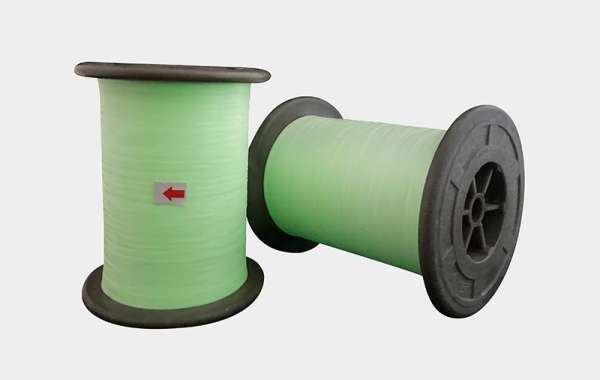
The primary application of reflective thread is in the realm of personal safety, where it serves as a critical component in high-visibility (hi-vis) garments and equipment. Regulatory standards, such as those from the American National Standards Institute (ANSI) or the International Organization for Standardization (ISO), define performance requirements for materials used in safety wear. Reflective materials, including tape and thread, must meet specific thresholds for coefficient of retroreflection—a measure of how efficiently light is returned. When stitched as trim or intricate patterns, reflective thread contributes to meeting these standards by providing 360-degree visibility that remains part of the garment's structure, unlike tapes that can peel or adhesives that may fail.
In professional environments, garments incorporating reflective thread are essential. Road construction crews, airport ground staff, and law enforcement officers wear uniforms with this thread stitched as logos, striping, or badges. This integration ensures that identification and visibility are maintained even as the garment ages, as the reflective thread is less prone to delamination than bonded strips. For cyclists and runners, athletic wear with subtle reflective thread woven into seams or as graphic elements provides crucial visibility to drivers without compromising the garment's style or breathability. The use of reflective thread extends beyond clothing to safety gear. Lifelines on marine vessels, harnesses for climbing or fall protection, and even pet collars utilize this thread to make critical equipment visible in darkness or fog.
The functional advantages of using reflective thread over other reflective methods are notable. Sewn thread becomes a permanent part of the fabric's structure, offering excellent durability through repeated washing and flexing. It allows for greater design flexibility, enabling brands to incorporate logos, intricate patterns, and decorative elements that are both aesthetic and functional. Compared to wide strips of reflective tape, designs using reflective thread can be more targeted and less obtrusive on a garment's design, appealing to consumers who require safety features but not a full hi-vis look. Furthermore, as the thread is integrated during the sewing process, it does not add significant stiffness or alter the drape of the fabric as laminated tapes might. From a safety perspective, the broken lines created by stitched reflective thread can be highly effective at signaling human movement, as the intermittent flashing of light from a moving arm or leg is easily distinguished from static background lights by a driver's eye.