
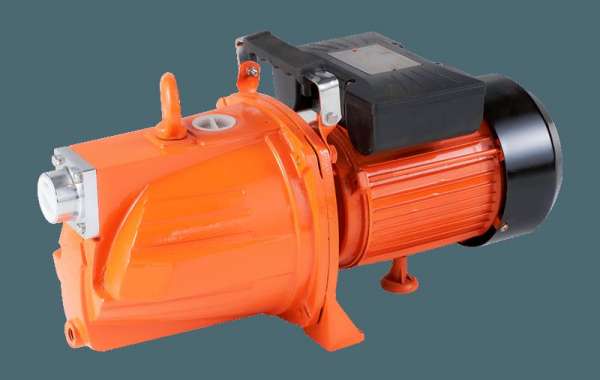
Installing an ejector pump system is a precise task that requires careful planning and adherence to plumbing codes to ensure reliable operation and prevent health hazards. The process begins with selecting an appropriate location for the basin or sump crock. This basin must be large enough to accommodate the ejector pump and allow for an adequate volume of wastewater to accumulate before the pump activates, preventing short-cycling that can wear out the pump motor. The basin is set in a dug pit, and all drain lines from the below-grade fixtures are sloped downward into it. A critical step is securing an airtight, removable lid on the basin to contain odors and prevent debris from falling in, which is both a safety and code requirement for a sewage ejector pump system.
The plumbing configuration for the discharge side of the ejector pump is equally important. A check valve must be installed on the discharge pipe immediately outside the basin. This one-way valve is vital; it prevents pumped wastewater from flowing back into the basin once the ejector pump shuts off, which would cause the pump to re-pump the same water repeatedly. The discharge pipe itself must be sized correctly, typically between 1.5 to 3 inches in diameter, and must be routed with as few sharp bends as possible to minimize friction loss. It connects to the main sewer line, often requiring a penetration through the building's foundation. For venting, an ejector pump system must be connected to a vent pipe that ties into the home's main plumbing vent stack. This vent allows sewer gases to escape safely and prevents airlock in the basin, which could hinder the pump's ability to move water. Electrical supply for the ejector pump requires a dedicated ground-fault circuit interrupter outlet installed near the basin, providing safe power and easy access for maintenance.
Professional installation is strongly recommended for an ejector pump due to the complexities involving excavation, plumbing, electrical work, and code compliance. A correctly installed system will include an audible or visual high-water alarm. This alarm is triggered by a separate float switch set higher than the pump activation float. If the primary ejector pump fails or cannot keep up with the inflow, the rising water will activate this alarm, alerting occupants to a problem before a backup occurs. Considering these factors—basin sizing, proper venting, check valve placement, and alarm integration—during the design phase results in a robust ejector pump installation that functions automatically and reliably, protecting the property from water damage and sanitary issues for years.