
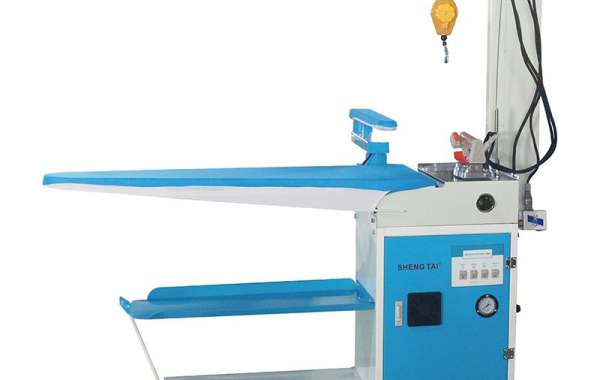
The basic concept of a vacuum table is adapted into various configurations to meet specific industrial needs and material challenges. One primary distinction is between a universal vacuum table with a grid of small holes and a pod-based or zone-controlled system. A universal grid table is effective for holding large, solid sheets that cover a significant portion of the surface. For smaller parts or irregular shapes, operators use masking materials like PVC or MDF spoil boards to cover unused holes, channeling suction only to the area under the workpiece. Alternatively, modular pod systems feature individual suction pods or zones that can be activated independently, providing focused holding power for multiple small pieces arranged on the table, optimizing pump efficiency.
Material porosity is a significant factor influencing vacuum table design. Non-porous materials like glass, metals, and plastics form an excellent seal, allowing a strong vacuum to develop with minimal pump demand. For porous materials such as wood, foam, or certain composites, achieving sufficient hold is more challenging. In these cases, a vacuum table may incorporate a bleeder board—a perforated substrate placed between the material and the table. The bleeder board helps distribute suction evenly across the porous workpiece. Alternatively, high-volume vacuum pumps are employed. These pumps move a large amount of air to compensate for leakage, maintaining a holding pressure even when air seeps through the material itself. This makes a vacuum table viable for a broader range of materials.
Specialized industries rely on tailored vacuum table solutions. In the printed circuit board industry, vacuum tables secure flexible PCBs during automated optical inspection and routing, preventing static and movement. Textile and apparel manufacturers use large format vacuum tables to hold layers of fabric steady for automated cutting, replacing traditional pinning. In aerospace composite layup, vacuum tables form part of a larger bagging system, consolidating layers of carbon fiber and resin under uniform pressure. For glass and stone fabrication, heavy-duty vacuum tables with powerful pumps handle substantial weight while allowing unobstructed polishing or edging. Each application dictates the vacuum table's required specifications: size, flatness tolerance, hole pattern, pump type, and control system. By selecting the appropriate configuration, a vacuum table transforms from a simple holding device into an integral component that enhances precision, protects material quality, and increases throughput in automated and manual fabrication environments.