
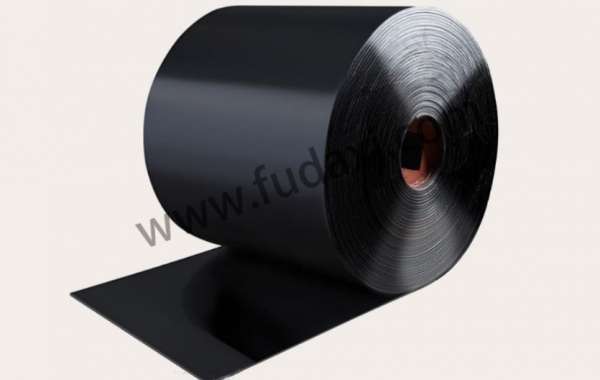
The application of a high temperature conveyor belt is critical in numerous industries where heat is an integral part of the production or handling process. In the food processing sector, these belts are indispensable. They are used in ovens for baking cookies, crackers, and bread, where they must withstand temperatures from 150 to over 250 degrees Celsius while maintaining food-grade compliance and non-stick properties. Another significant application is in the drying or cooling of food products like snack foods or breakfast cereals, where the belt carries product through heated tunnels. The reliability of the high temperature conveyor belt in these settings directly impacts product consistency, hygiene, and production line efficiency.
Heavy industry presents even more demanding environments for a high temperature conveyor belt. In metal manufacturing and foundries, belts transport hot castings, metal chips, and sand at temperatures that can rapidly degrade ordinary materials. The belt must resist abrasion from sharp metal edges while enduring radiant and contact heat. The glass manufacturing industry uses these belts to move hot glass containers through annealing lehrs, where controlled cooling is essential to relieve internal stresses. Here, the high temperature conveyor belt must provide a stable, smooth surface to prevent marring the glass and operate consistently in temperatures that can approach 600 degrees Celsius in certain zones. Similarly, in the ceramics and brick-making industries, belts carry unfired greenware into kilns and transport the finished, hot products out.
Beyond these, the cement and mining industries deploy heavy-duty high temperature conveyor belts. In cement production, belts handle hot clinker, the sintered material exiting the rotary kiln, which can be extremely abrasive and hot. A specialized high temperature conveyor belt for this duty must combine thermal resistance with exceptional wear characteristics. In chemical processing, belts may be required to convey hot plastic pellets or compounds. For each industry, the specific demands—such as exposure to oils, chemicals, or moisture in addition to heat—dictate the exact material specification of the high temperature conveyor belt. The belt is not merely a transport medium but a critical process component that enables the continuous, automated flow of materials through thermally intensive stages, linking heating, curing, drying, and cooling operations into a seamless production line. Its failure can halt an entire plant, underscoring why selecting a belt engineered for the precise thermal and mechanical environment is a crucial operational decision.