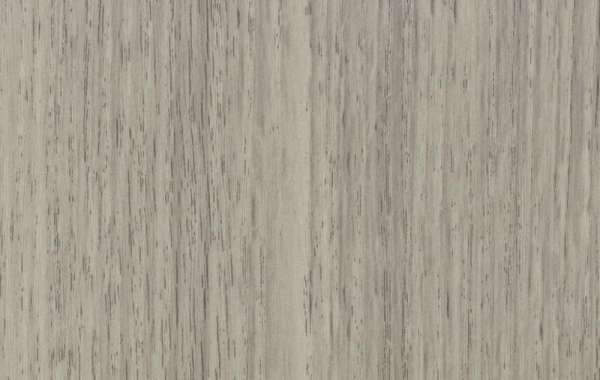
The application scope for high-definition decorative film is extensive, driven by its ability to provide cost-effective, lightweight, and versatile surface enhancement. In interior architecture and retail design, this material is a preferred choice for creating feature walls, column cladding, and cabinet surfaces. A high-definition decorative film can replicate expensive or scarce materials, such as exotic marble or rare wood species, at a fraction of the cost and weight, while offering easier installation and maintenance. In furniture manufacturing, it is used to finish the visible surfaces of cabinets, tables, and shelving units. The film provides a consistent aesthetic, free from the natural variations found in real wood veneer, which is desirable for producing large batches of matching furniture pieces.
The automotive and transportation industries are significant users of high-definition decorative film for interior trim components. Dashboard panels, center console accents, and door trim pieces often feature films that mimic brushed aluminum, carbon fiber, or high-gloss piano black finishes. The durability of a quality high-definition decorative film is crucial here, as it must withstand temperature fluctuations, UV exposure, and frequent contact without degrading. Another growing application is in consumer electronics, where the film is used on device housings, laptop lids, and home appliances to provide brand-specific colors and textures that are both decorative and protective.
Installation methods for high-definition decorative film vary based on the substrate and film type. For flat, smooth surfaces like metal or high-pressure laminate, a pressure-sensitive adhesive-backed high-definition decorative film can be applied using a squeegee to remove air bubbles. This is a common method for signage, vehicle wraps, and furniture refinishing. For three-dimensional components or complex curves, the film may be applied using a vacuum forming or thermoforming process. In this method, the high-definition decorative film is heated until pliable, then drawn by vacuum over a mold of the part, conforming perfectly to its shape before cooling. This technique is standard in automotive and appliance manufacturing. For laminating to flat panels like particleboard, the film is typically bonded using heated rollers in a continuous press line, where heat activates a dry adhesive on the film's back. Successful application requires a clean, properly prepared surface and the correct technique to ensure the high-definition decorative film adheres without wrinkles, bubbles, or lifted edges, resulting in a flawless, integrated finish that elevates the perceived value and aesthetic of the underlying product.