
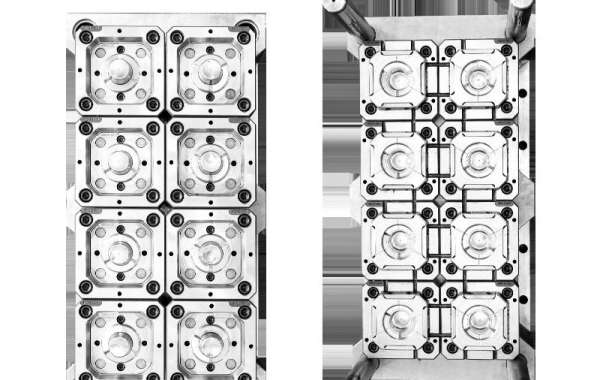
Creating a high-quality plastic container mould is a multi-stage process that begins long before any metal is cut. It starts with a comprehensive analysis of the container's design. Engineers use computer-aided design software to create a 3D model of both the final plastic container and the mould needed to produce it. This digital phase involves critical decisions: determining the parting line, planning the gate location, designing the cooling channel layout, and engineering any necessary moving components like ejector pins or slides. Simulation software is often employed to model how the molten plastic will flow into the cavity, identifying potential issues like air traps or weld lines before the costly machining of the plastic container mould begins.
The physical manufacturing of the plastic container mould core and cavity involves precision machining. Blocks of pre-hardened tool steel are mounted in computer numerical control milling machines. Using the CAD data, the CNC machines carve the negative impression of the plastic container into the steel with tolerances often within microns. For intricate textures—like a matte finish or a leather-grain pattern on a cosmetic jar—electrical discharge machining may be used. EDM uses controlled electrical sparks to erode the steel, reproducing fine details with high accuracy. Deep-hole drilling creates the network of cooling channels. After rough and finish machining, the mould components undergo polishing. The level of polish on the cavity surface directly transfers to the plastic container; a mirror polish yields a glossy finish, while a textured EDM finish gives a matte or patterned surface. Separate components like ejector pins, guide pillars, and bushings are manufactured and assembled into the mould base, a standardized frame that holds everything together.
The final and critical phase is mould testing and validation, known as a trial run. The newly assembled plastic container mould is installed in an injection moulding machine. Initial shots are produced using the intended plastic material. Engineers examine these first samples for defects such as sink marks, warpage, incomplete filling, or ejection problems. Measurements are taken to verify the plastic container meets all dimensional specifications. Based on these trials, fine adjustments are made to the plastic container mould. This could involve modifying the cooling lines, adjusting gate sizes, or polishing specific areas further. The process iterates until the mould produces containers that consistently meet all quality standards. Only after successful validation is the plastic container mould released for full-scale production. This journey from digital design to a validated physical tool requires close collaboration between mould designers, machinists, and the end client, ensuring the finished plastic container mould is capable of reliable, high-volume manufacturing.