
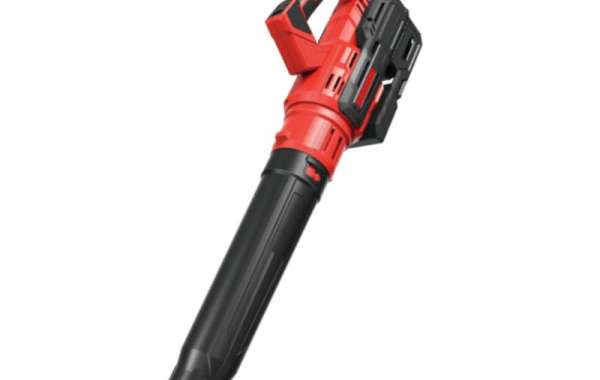
A blower is an indispensable machine in modern industry and infrastructure, performing critical functions that support manufacturing, environmental control, and resource management. The application of a blower extends far beyond simple ventilation, encompassing processes where air or gas movement is a core part of the operation. In each setting, the specific requirements for pressure, flow, and gas composition dictate the selection and configuration of the blower system. Understanding these varied roles highlights the versatility and necessity of this equipment.
In water and wastewater treatment facilities, the blower plays a central role in the biological treatment process. Here, large-capacity blower systems supply the oxygen necessary for aerobic bacteria to break down organic matter. A submersible blower may be used in some aeration basins, while multistage centrifugal blowers often serve larger activated sludge plants. The reliable operation of this blower equipment is directly tied to treatment efficiency and regulatory compliance, making it a focal point for plant maintenance and energy management initiatives.
The manufacturing sector relies heavily on blower technology for pneumatic conveying. A positive displacement blower is commonly used to transport powdered or granular materials like flour, plastic pellets, or cement through pipelines using air as the carrying medium. The steady, pulse-free airflow from this type of blower ensures consistent material transfer rates. Furthermore, industrial drying and cooling processes frequently employ a centrifugal blower to circulate large volumes of heated or ambient air over products, such as in paper manufacturing or food processing lines.
Combustion and furnace applications constitute another major area for blower use. A forced draft blower supplies combustion air to boilers, heaters, and industrial furnaces, ensuring efficient fuel burning. An induced draft blower may be placed at the exhaust end to create a negative pressure, safely pulling combustion gases through the system and out the stack. The performance of this blower directly influences fuel efficiency, safety, and emissions control. Specially designed high-temperature blower units are required to handle the hot exhaust gases in these settings.
Environmental management and pollution control also depend on blower systems. In soil vapor extraction for site remediation, a blower creates a vacuum to pull contaminated vapors from the ground for treatment. Fume extraction systems in factories use a blower to capture and remove hazardous airborne chemicals at their source, protecting worker health. In each case, the blower must be constructed from materials compatible with the often-corrosive gases it handles, and its operation must be reliable to maintain continuous protection.
A blower is a workhorse engine driving essential processes across the industrial landscape. Its ability to move gases reliably under defined pressure conditions makes it a key component in production efficiency, environmental protection, and energy systems. The ongoing specification, operation, and maintenance of the blower in these diverse applications remain crucial for operational success and sustainability goals.