Understanding Cut and Sew Clothing in Modern Fashion
Cut and sew clothing represents one of the most refined and high-quality garment manufacturing methods in the fashion industry. Unlike mass-produced or pre-made blank apparel, cut and sew garments are created from scratch, starting with raw fabric that is cut, shaped, and sewn into a finished piece. We rely on this method to deliver precision, customization, durability, and brand exclusivity, which are essential for modern fashion labels aiming to stand out in competitive markets.
In today’s apparel landscape, wholesale cut and sew manufacturers are widely used by luxury brands, streetwear labels, sportswear companies, and private-label businesses that demand full control over design, fit, and fabric quality.
What Makes Cut and Sew Clothing Different
The defining characteristic of cut and sew apparel lies in its custom-built nature. Every panel, seam, and silhouette is intentionally designed and executed. This process allows us to eliminate the limitations associated with ready-made blanks and instead produce garments that align perfectly with brand identity.
Key distinctions include:
Original pattern creation
Custom fabric selection
Precise cutting techniques
Advanced stitching and finishing
Full design ownership
This results in garments that feel unique, premium, and purpose-built.
The Cut and Sew Clothing Manufacturing Process
Pattern Development and Technical Design
Every cut and sew garment begins with professional pattern making. We translate design concepts into technical patterns, ensuring accuracy in measurements, proportions, and garment structure. This stage is crucial for achieving consistent sizing and flawless fit across production runs.
Patterns are developed for each size, accounting for fabric stretch, drape, and shrinkage to maintain quality at scale.
Fabric Sourcing and Material Selection
Fabric choice defines the comfort, durability, and aesthetics of cut and sew clothing. We carefully select materials such as:
Cotton and organic cotton
French terry and fleece
Jersey knits
Denim and twill
Performance and blended fabrics
This step ensures the final garment reflects brand positioning, whether focused on luxury, sustainability, or performance.
Precision Cutting
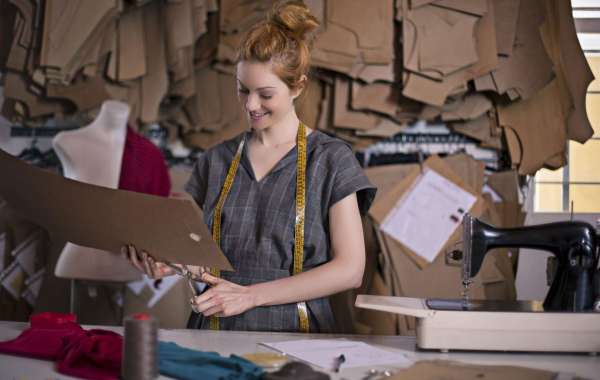
Once patterns are finalized, fabrics are laid and cut using manual or automated cutting systems. Precision at this stage is critical. Accurate cutting ensures minimal waste, consistent sizing, and clean seam alignment during sewing.
This step separates premium cut and sew manufacturers from low-grade producers.
Sewing and Garment Assembly
The sewing phase brings the garment to life. Skilled operators assemble panels using industrial sewing machines, applying techniques such as:
Overlock stitching
Flatlock seams
Cover stitching
Reinforced stress-point sewing
Attention to seam strength and stitch quality directly impacts garment longevity and customer satisfaction.
Finishing, Washing, and Quality Control
Final touches elevate cut and sew clothing to a professional standard. These include:
Garment washing or enzyme treatments
Label and tag attachment
Thread trimming and pressing
Multi-stage quality inspections
Each piece is evaluated for fit, construction, and appearance before packaging.
Benefits of Cut and Sew Clothing for Brands
Complete Design Freedom
Cut and sew manufacturing allows us to control every aspect of garment design, from neckline depth to sleeve width and hem length. This freedom is essential for brands seeking originality rather than imitation.
Superior Fit and Comfort
Because garments are built from custom patterns, cut and sew clothing offers better fit and wearability compared to standard blanks. This enhances customer loyalty and reduces returns.
Higher Perceived Value
Consumers associate cut and sew apparel with premium quality and craftsmanship. This enables brands to justify higher price points and strengthen market positioning.
Scalability for Growing Brands
Cut and sew production supports small batch launches and large-scale manufacturing. This flexibility allows startups and established brands to scale without compromising quality.
Cut and Sew Clothing vs. Ready-Made Apparel
| Feature | Cut and Sew Clothing | Ready-Made Apparel |
|---|---|---|
| Design Control | Full control | Limited |
| Fit Customization | High | Standard |
| Fabric Options | Unlimited | Restricted |
| Brand Differentiation | Strong | Weak |
| Production Cost | Higher | Lower |
While ready-made apparel may suit promotional needs, cut-and-sew clothing is the preferred choice for serious fashion brands.
Industries That Rely on Cut and Sew Clothing
Streetwear and Urban Fashion
Streetwear brands depend on cut and sew to create oversized fits, dropped shoulders, custom hoodies, and unique silhouettes that define their identity.
Luxury and Designer Labels
High-end fashion houses use cut and sew methods to achieve flawless tailoring, intricate detailing, and premium finishes that justify luxury pricing.
Activewear and Sportswear
Performance apparel requires engineered construction, moisture-wicking fabrics, and ergonomic fits—best achieved through cut and sew manufacturing.
Private Label and Custom Brands
Entrepreneurs building private-label apparel lines rely on cut and sew to establish brand exclusivity and long-term differentiation.
Choosing the Right Cut and Sew Clothing Manufacturer
Selecting a reliable manufacturer is critical. We recommend evaluating partners based on:
Experience with cut and sew production
In-house pattern making
Fabric sourcing capabilities
Quality assurance standards
Clear communication and sampling process
A strong manufacturing partner ensures consistency, reliability, and long-term brand success.
Sustainability in Cut and Sew Clothing
Modern cut and sew manufacturing increasingly integrates eco-conscious practices, including:
Organic and recycled fabrics
Low-impact dyes
Waste-reduction cutting techniques
Ethical labor standards
Sustainable cut and sew clothing appeals to environmentally aware consumers while strengthening brand credibility from Vel Clothing.
Cost Considerations in Cut and Sew Apparel
While cut and sew clothing typically involves higher upfront costs due to pattern development, labor, and customization, it delivers stronger long-term returns through:
Higher retail margins
Improved customer retention
Reduced competition through exclusivity
Investment in quality manufacturing pays dividends in brand reputation and growth.
Why Cut and Sew Clothing Is the Future of Fashion
As consumers increasingly value quality, authenticity, and fit, cut and sew apparel continues to dominate premium segments of the fashion industry. Brands that adopt this manufacturing approach position themselves as leaders rather than followers, offering garments that reflect craftsmanship and intentional design.
Final Thoughts
Cut and sew clothing is more than a production method—it is a strategic foundation for building a powerful fashion brand. Through complete customization, superior construction, and elevated aesthetics, this approach delivers unmatched value to both brands and consumers. We view cut and sew manufacturing as the gold standard for apparel businesses committed to excellence, differentiation, and long-term success.