
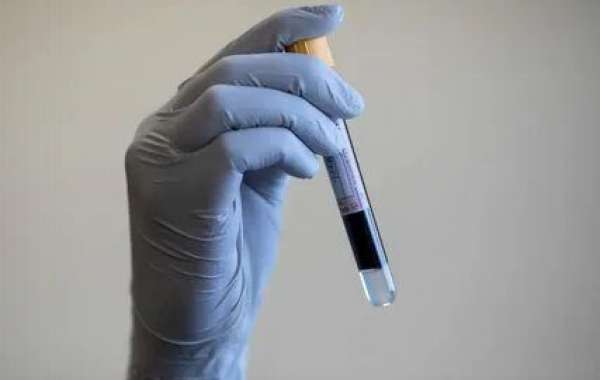
Ureaplasma is a type of bacteria that can inhabit the urogenital tract, sometimes causing symptoms like burning during urination, abnormal discharge, pelvic pain, or fertility complications. Ureaplasma Test in Dubai typically involves antibiotics such as macrolides or tetracyclines, as Ureaplasma lacks a cell wall and is resistant to common antibiotics like penicillin. Completing the prescribed course is essential for clearing the infection, but even after treatment, questions often arise about whether and when to retest.
Why Retesting May Be Necessary?
Retesting after treatment helps confirm that the infection has been fully eradicated. Ureaplasma can persist in some individuals despite antibiotics, especially if symptoms were severe, the bacterial load was high, or medication adherence was inconsistent. Retesting also reduces the risk of reinfection, particularly in sexually active individuals or couples where one partner may have carried the bacteria.
Additionally, for patients experiencing fertility challenges or recurrent urinary or genital symptoms, retesting ensures that underlying infection is no longer contributing to complications. Confirming bacterial clearance is especially important before attempting conception or undergoing fertility treatments.
Recommended Timing for Retesting:
Healthcare providers generally recommend waiting 2 to 4 weeks after completing antibiotic therapy before retesting. This interval allows sufficient time for the bacteria to be cleared and prevents false-positive results caused by residual bacterial DNA. In some cases, if symptoms persist, retesting may be performed sooner, but it should always be guided by clinical judgment.
For patients undergoing fertility evaluation, obstetric monitoring, or treatment for recurrent infections, retesting may be scheduled as part of a coordinated follow-up plan to ensure infection resolution and reduce the risk of complications.
Choosing the Right Testing Method for Retest:
The retest may use the same method as the initial diagnosis: PCR-based detection or bacterial culture. PCR testing is preferred for its high sensitivity and rapid turnaround, while culture may be used when antibiotic susceptibility information is needed. The sample type—urine or swab—depends on the patient’s sex, symptoms, and previous testing method. First-catch urine is common for men, whereas vaginal or cervical swabs are often used for women.
Interpreting Retest Results:
A negative Ureaplasma test after treatment generally indicates successful eradication. Patients can typically resume normal sexual activity and follow standard reproductive health plans.
A positive retest suggests that the bacteria persist, possibly due to incomplete antibiotic response, reinfection from an untreated partner, or antibiotic resistance. In these cases, healthcare providers may recommend a second course of treatment, adjust the antibiotic regimen, and ensure that sexual partners are also evaluated and treated to prevent reinfection.
Preventing Reinfection:
To minimize the risk of reinfection, both sexual partners should be treated simultaneously if one tests positive. Abstaining from sexual activity until treatment is complete and retesting confirms clearance can prevent repeated infections. Maintaining genital hygiene and avoiding practices that disrupt natural microbiota can also help reduce susceptibility.
Retesting in Special Populations:
Pregnant individuals may require careful retesting if Ureaplasma infection was detected during pregnancy. Although routine screening is not standard, follow-up testing ensures the infection has been cleared, reducing the risk of complications like preterm labor. Patients with fertility concerns or recurrent urinary symptoms may also benefit from more frequent retesting to monitor bacterial clearance and support long-term reproductive health.
Key Takeaways:
Retesting for Ureaplasma Test treatment is an important step to confirm eradication, prevent reinfection, and support reproductive health. Waiting 2 to 4 weeks after completing antibiotics allows for accurate detection, and choosing the appropriate sample and testing method ensures reliable results. Negative results indicate successful treatment, while persistent infection may require additional evaluation and therapy.
Consulting a healthcare provider about timing and method for retesting helps ensure that treatment is effective, symptoms are resolved, and long-term sexual and reproductive health is protected.