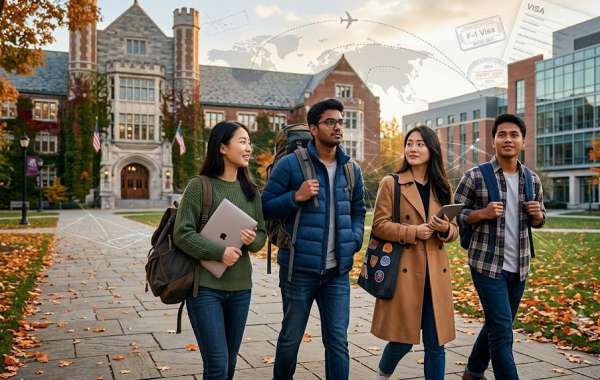
International education has always been competitive, but the definition of success is changing. A strong academic record is still essential, yet students today also need flexibility, global awareness, and the ability to respond to changing circumstances. For many Asian students, studying abroad now involves balancing educational ambitions with a rapidly evolving international environment.
Recent research shows that global political developments, changing immigration policies, and economic uncertainty are influencing how students choose universities, prepare for careers, and think about their future. Instead of discouraging students, these challenges are encouraging many to plan more carefully and invest in skills that remain valuable anywhere in the world.
A Degree Alone Is No Longer Enough
Employers continue to value academic qualifications, but they increasingly expect graduates to demonstrate practical experience and workplace skills.
This means students should look beyond classroom learning from the very beginning of their university journey. Internships, research projects, leadership roles, volunteering, and professional certifications all strengthen a graduate's profile and make them more attractive to employers.
The research suggests that many Asian students are already shifting their focus toward universities that provide strong industry connections and practical learning opportunities alongside academic excellence.
Graduates who combine knowledge with real-world experience often enjoy greater career flexibility after completing their studies.
Career Planning Should Begin Earlier
Waiting until the final semester to think about employment is becoming increasingly risky.
Successful international students often begin preparing for their careers during their first year. They attend employer presentations, participate in networking events, improve their communication skills, and develop professional portfolios long before graduation.
This early preparation allows students to identify emerging industries, understand employer expectations, and gain valuable experience while completing their degree.
Research also highlights that many students are creating several career pathways instead of depending on one country or one immigration option. This diversified approach provides greater confidence when global conditions change unexpectedly.
Continuous Learning Creates Long-Term Value
Technology continues transforming nearly every profession.
Artificial intelligence, automation, cloud computing, cybersecurity, and data analytics are influencing industries far beyond technology companies. As a result, employers increasingly seek graduates who continue learning throughout their careers.
Asian students are responding by building technical expertise alongside transferable skills such as communication, teamwork, leadership, adaptability, and critical thinking.
These capabilities remain valuable regardless of economic conditions or geographical location.
Graduates who continue learning after university are often better prepared to adapt to future changes in the workplace.
Managing Academic Pressure Effectively
International students frequently balance much more than coursework.
Assignments, examinations, internship applications, financial responsibilities, visa documentation, networking events, and cultural adjustment all compete for time throughout the academic year.
Maintaining consistent academic performance under these circumstances requires careful organisation and reliable support.
Many students complement university resources with additional academic assistance when workloads become particularly demanding. Expertsmind.com provides access to experienced tutors across numerous academic subjects, helping students understand complex topics, strengthen assignment quality, and remain focused on achieving their academic goals while balancing wider responsibilities.
Academic confidence allows students to dedicate more attention to internships, professional development, and career preparation without compromising their grades.
Building a Truly International Mindset
Studying abroad offers more than an internationally recognised qualification.
It provides daily opportunities to work with classmates from different cultures, participate in diverse research teams, and develop perspectives that employers increasingly value in a global economy.
The research suggests that Asian students who actively engage with multicultural learning environments often strengthen both their personal development and their professional readiness. Building friendships and professional relationships across cultures expands future career opportunities while improving communication and leadership skills.
These experiences frequently become lasting advantages throughout a graduate's career.
Preparing for the Future With Confidence
No one can predict how international education will continue evolving over the next decade.
Immigration policies, economic conditions, and global political relationships will continue changing. The students who thrive will not necessarily be those with the most detailed long-term plans but those who remain flexible enough to adapt as new opportunities appear.
Recent research demonstrates that many Asian students are already embracing this approach by diversifying their career options, strengthening transferable skills, maintaining academic excellence, and building professional networks that extend across borders.
International education remains one of the best investments students can make in their future. While today's environment demands greater preparation than ever before, it also creates graduates who are resilient, globally minded, and ready to contribute wherever opportunity takes them.