
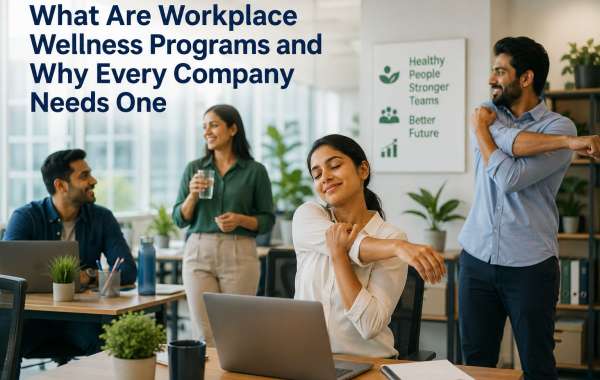
A workplace wellness program is a structured set of initiatives designed to support employees' physical and mental health while they work. These programs range from simple, low-cost efforts — like flexible scheduling and mental health awareness sessions — to comprehensive offerings including counseling access, fitness benefits, and dedicated wellness staff.
While wellness programs were once seen as a perk offered mainly by large multinational companies, they have increasingly become a baseline expectation, particularly as employees weigh workplace culture alongside compensation when choosing where to work.
What a Wellness Program Typically Includes
Wellness programs vary widely depending on organization size, budget, and industry, but most fall into a few core categories.
Mental health support
- Access to counseling or therapy, often through an Employee Assistance Program (EAP)
- Mental health awareness training for employees and managers
- Trained mental health champions or first responders within the organization
- Stress management workshops or resilience training
Physical health initiatives
- Health screenings and preventive checkups
- Gym memberships or on-site fitness facilities
- Ergonomic workspace assessments
- Nutrition guidance or healthy food options at the workplace
Work-life balance measures
- Flexible working hours or hybrid work arrangements
- Clearly defined boundaries around after-hours communication
- Adequate and genuinely usable paid leave policies
- Support for parental and caregiving responsibilities
Financial wellness
- Financial literacy workshops
- Retirement planning support
- Emergency assistance funds or salary advance options
Why Wellness Programs Matter for Organizations
They directly affect retention
Employees increasingly consider workplace wellbeing when deciding whether to stay with an organization. A well-designed wellness program signals that the company genuinely values its people, not just their output.
They reduce absenteeism
Preventive health measures — both physical and mental — reduce the frequency of both short-term sick leave and longer-term medical absences.
They improve productivity
Employees who feel physically and mentally well are better able to concentrate, collaborate, and sustain performance over time, compared to those managing untreated stress or health issues.
They strengthen employer branding
In competitive hiring markets, a genuine wellness program — not just a symbolic one — differentiates organizations trying to attract skilled talent.
They reduce long-term healthcare costs
Preventive approaches to physical and mental health tend to reduce the frequency and severity of costly medical interventions down the line.
What Separates Effective Programs From Symbolic Ones
Not all wellness programs deliver real value. The difference often comes down to a few key factors:
Genuine accessibility
A counseling benefit that requires navigating complicated paperwork or long wait times provides little real support. Effective programs make access simple and confidential.
Leadership participation
When senior leaders visibly use wellness resources — taking mental health days, attending training sessions — it signals genuine organizational commitment rather than a checkbox exercise.
Addressing root causes, not just symptoms
A yoga session doesn't offset a culture of chronic overwork. The most effective programs pair supportive resources with structural changes to workload, deadlines, and expectations.
Regular evaluation
Programs should be assessed against real usage data and employee feedback, not assumed to be effective simply because they exist.
Confidentiality
Employees are far less likely to use mental health resources if they fear their participation will be visible to managers or affect how they're perceived professionally.
Building a Wellness Program: Where to Start
Organizations without an existing program don't need to launch everything at once. A practical starting point includes:
- Assess current needs — through anonymous surveys or informal listening sessions to understand what employees are actually struggling with
- Start with foundational support — an Employee Assistance Program and basic mental health awareness training are relatively low-cost, high-impact starting points
- Train managers — frontline managers who understand how to recognize and respond to employee stress amplify the effectiveness of any formal program
- Communicate clearly — many wellness programs fail simply because employees don't know they exist or how to access them
- Iterate based on feedback — treat the program as evolving, adjusting based on what employees actually use and value
A Note on Cultural Fit
Wellness programs designed without local context often fail to resonate. What works in one country's workplace culture may not translate directly elsewhere — for example, stigma around mental health disclosure, differing expectations around work hours, or varying levels of trust in employer-provided support. Programs that are thoughtfully adapted to the specific workforce they serve tend to see significantly higher engagement.
Final Thoughts
Workplace wellness programs, when designed thoughtfully and implemented with genuine commitment, deliver measurable benefits — for employees and for the organization's bottom line. The key distinction is between programs that exist on paper and those that are genuinely accessible, trusted, and paired with structural changes to how work actually gets done. Companies that get this right build not just healthier workplaces, but more resilient and competitive organizations.