
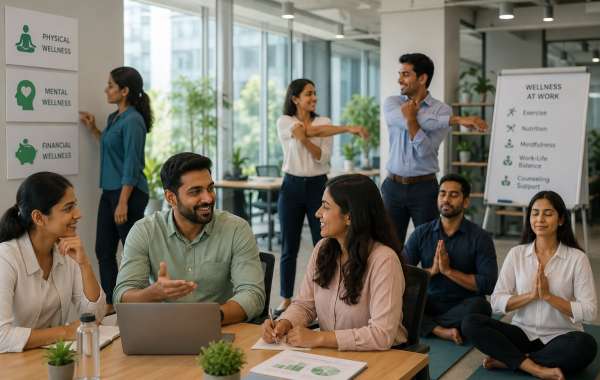
Corporate wellness programs are gaining serious traction in India as companies recognize that employee wellbeing directly influences retention, performance, and organizational reputation. What was once viewed as an optional benefit for large multinational firms is now becoming a standard expectation across startups, mid-sized businesses, and established enterprises alike.
For Indian companies exploring wellness programs, understanding the available options and how to implement them effectively is the first step toward building something that delivers genuine value rather than a symbolic gesture.
Why Indian Companies Are Investing in Wellness Programs
Several factors are driving this shift:
- Rising awareness of workplace stress and burnout, particularly in high-pressure sectors like IT, BPO, and consulting
- Talent competition, where skilled professionals increasingly factor workplace culture into job decisions
- Post-pandemic shifts in how employees think about work-life balance and mental health
- Growing recognition that untreated stress and mental health issues carry real business costs, not just personal ones
Types of Corporate Wellness Programs
Mental health support programs
These form the foundation of most modern wellness initiatives and typically include:
- Employee Assistance Programs (EAPs) offering confidential counseling
- Mental health awareness workshops for all staff
- Mental health champions training for select employees to act as first points of contact
- Psychological first aid training to prepare teams for crisis situations
Physical wellness initiatives
- Annual health checkups and screenings
- On-site or subsidized gym access
- Ergonomic assessments for workstations, especially relevant for desk-based roles
- Health insurance enhancements covering preventive care
Work-life balance programs
- Flexible working hours and hybrid arrangements
- Defined boundaries around after-hours communication expectations
- Adequate parental leave and caregiving support
- Genuine, usable annual leave policies without informal pressure to skip time off
Financial wellness initiatives
- Financial literacy sessions
- Salary advance or emergency assistance options
- Retirement and long-term savings guidance
Social and community wellness
- Team-building activities that go beyond superficial engagement
- Employee resource groups for shared interests or identities
- Volunteering and community engagement opportunities
Key Benefits for Indian Organizations
Improved retention in a competitive market
With skilled professionals having more options than ever, companies offering genuine wellness support are better positioned to retain talent, particularly in sectors experiencing high attrition.
Reduced absenteeism
Preventive mental and physical health support reduces both short-term sick leave and longer medical absences tied to untreated stress or health conditions.
Stronger employer branding
In a market where employees increasingly research company culture before accepting offers, a credible wellness program becomes a meaningful differentiator.
Better team performance
Employees who feel supported — physically and mentally — are more able to sustain focus, collaborate effectively, and maintain consistent output.
Long-term cost savings
Preventive approaches to health typically reduce the frequency and severity of costly medical interventions and the operational disruption caused by extended employee absences.
Common Challenges in Implementation
Stigma around mental health
Despite growing awareness, mental health stigma remains significant in many Indian workplaces. Employees may hesitate to use available resources for fear of being judged or having their career prospects affected.
Low awareness of available resources
Many wellness programs underperform simply because employees don't know they exist, don't understand how to access them, or aren't confident in their confidentiality.
One-size-fits-all approaches
Programs designed without considering regional, generational, or role-specific differences within a diverse Indian workforce often see uneven engagement.
Lack of leadership buy-in
When senior leaders don't visibly support or use wellness resources themselves, employees often perceive the program as a formality rather than a genuine offering.
A Practical Implementation Roadmap
Step 1: Assess employee needs
Use anonymous surveys or listening sessions to understand what employees are actually struggling with, rather than assuming based on generic industry trends.
Step 2: Start with foundational elements
An EAP and basic mental health awareness training are relatively straightforward to implement and provide immediate value.
Step 3: Train managers first
Managers who understand how to recognize signs of stress and respond appropriately significantly amplify the effectiveness of any formal program.
Step 4: Communicate clearly and repeatedly
A single announcement isn't enough. Regular reminders, visible posters, and integration into onboarding help ensure employees know what's available.
Step 5: Protect confidentiality rigorously
Any perception that using wellness resources could affect how an employee is viewed professionally will undermine engagement significantly.
Step 6: Measure and refine
Track usage data, gather feedback, and adjust the program based on what employees actually find valuable — not just what looks good in a company brochure.
Addressing Cultural Context
Effective wellness programs in India need to account for local realities — joint family responsibilities, regional language preferences for mental health resources, varying levels of comfort discussing mental health openly, and differing expectations across generations in the workforce. Programs adapted thoughtfully to these realities see meaningfully higher engagement than generic, imported templates.
Final Thoughts
Corporate wellness programs represent a meaningful investment for Indian companies navigating a competitive talent landscape and rising awareness of workplace mental health. The organizations that see genuine return on this investment are those that move beyond symbolic gestures — building programs that are accessible, trusted, culturally relevant, and paired with real structural support from leadership.