
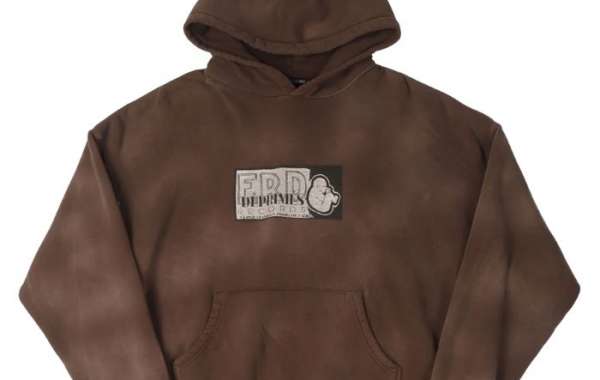
Owning a leather Enfants Riches Déprimés piece is not the same as owning an ordinary jacket. These garments are handmade in small batches, often using distressed or vintage leather that has already been treated to look worn before it even leaves the workshop. That character is part of the appeal, but it also means the leather has less room for error. A single season of neglect can turn intentional distressing into actual damage.
I have owned and repaired several pieces from this label over the years, and I have learned through trial and error what keeps them looking right and what quietly ruins them. Most of the advice below comes from working directly with leather conditioners, tailors who specialize in vintage garments, and my own mistakes along the way.
Understand the Leather Before You Touch It
Not all ERD leather is finished the same way. Some jackets use lambskin, which is thin and soft but easy to scratch. Others use heavier cowhide that has been sanded, painted, or waxed to create a rugged texture. Before applying any product, run a small test on an inside seam or hidden panel. If the color shifts or the surface feels sticky after a few minutes, stop immediately and consult a leather specialist rather than continuing on the visible parts of the garment.
Knowing your leather type also tells you how often it needs conditioning. Soft lambskin dries out faster and may need attention every three or four months. Thicker treated cowhide can often go six months to a year between conditioning sessions, especially if it is not worn daily.
Store It the Right Way
Storage mistakes cause more damage to designer leather than actual wear does. Leather needs airflow, so plastic dry cleaning bags are a poor choice for long term storage. They trap moisture and can cause the surface to become brittle or develop mildew spots.
A breathable garment bag made from cotton or canvas is a better option. Hang the piece on a wide, padded hanger rather than a thin wire one, since wire hangers create pressure points at the shoulders that can crack the leather over time. Keep the storage area away from direct sunlight and radiators. Heat pulls natural oils out of leather faster than almost anything else, and once those oils are gone the surface starts to crack in fine lines that are difficult to reverse.
If you live somewhere humid, add a moisture absorbing packet inside the garment bag. Mold on leather is not just cosmetic. Once spores take hold in the grain, they can leave permanent staining that no cleaner will fully remove.
Cleaning Without Stripping the Finish
Many people assume any leather cleaner will work on any leather jacket, but distressed and painted finishes are more delicate than standard leather. Harsh solvents or alcohol based wipes can strip away the intentional color layering that gives these pieces their signature worn look.
Instead, wipe the surface with a soft, slightly damp microfiber cloth for everyday dust and light dirt. For deeper cleaning, use a pH balanced leather cleaner made specifically for finished or painted leather, applied with a soft cloth in small circular motions. Always test on an inconspicuous area first.
Avoid baby wipes, household cleaning sprays, and anything containing silicone. Silicone based products can build up on the surface and interfere with future conditioning treatments, leaving the leather looking dull instead of rich.
Conditioning to Prevent Cracking
Conditioning replaces the natural oils that https://enfantsrichesdeprime.us/ leather loses through age, wear, and exposure to air. A quality leather conditioner without heavy dyes or added color should be applied sparingly using a soft cloth, worked in gently, then left to absorb for several hours before wearing the piece again.
Do not over condition. Applying too much product too often can leave the leather feeling greasy and can actually attract more dust and dirt. Twice a year is usually enough for a piece that is worn occasionally. Pieces worn weekly may need conditioning every three to four months.
Pay close attention to high stress areas such as elbows, cuffs, and the collar fold. These spots flex the most during wear and are usually the first places cracking appears if the leather dries out.
Handling Rain and Moisture
A little rain will not ruin most treated leather, but standing water and repeated soaking will. If a piece gets wet, blot it gently with a dry towel rather than rubbing, then let it air dry naturally away from direct heat sources. Never use a hair dryer or place the garment near a radiator to speed up drying, since rapid heat exposure causes the leather to shrink unevenly and crack along the seams.
Once fully dry, apply a light layer of conditioner to restore any oils lost during the drying process.
Dealing With Scuffs and Small Scratches
Light surface scuffs are common on distressed leather and often blend naturally into the existing texture. For deeper scratches, a small amount of matching leather cream, gently buffed with a soft cloth, can minimize their visibility. For anything beyond surface level damage, it is worth taking the piece to a professional who has experience with designer or vintage leather rather than attempting a repair that could make the damage more noticeable.
Wearing Habits That Protect the Piece
How you wear a leather piece matters as much as how you store it. Avoid wearing seatbelts directly over the front of the jacket for long drives, since repeated pressure in one spot can wear through the finish faster than general use. Keep sharp jewelry, zippers from other garments, and rough bag straps away from direct contact with the leather surface.
Rotating pieces rather than wearing the same one daily also gives the leather time to rest and reabsorb its natural oils between wears.
Final Thoughts
Leather Enfants Riches Déprimés pieces are built to develop character over time, but that aging process should happen on your terms, not through neglect. Careful storage, gentle cleaning, regular conditioning, and mindful wear will keep these garments looking intentional rather than worn out. With the right habits, a well cared for piece can easily last a decade or more while still carrying the distinctive look the brand is known for.
Frequently Asked Questions
How often should leather Enfants Riches Déprimés pieces be conditioned? Most pieces need conditioning every three to six months, depending on how often they are worn and the type of leather used.
Can I clean these pieces at home? Yes, light cleaning with a soft damp cloth and a pH balanced leather cleaner is safe. Always test on a hidden area first before applying any product to visible sections.
What is the biggest mistake people make with distressed leather? Over cleaning or using harsh solvents is the most common mistake, since these can strip the intentional color layering and finish that gives the leather its distressed look.