

Condoms remain one of the most accessible tools for safer sex, pregnancy prevention, and peace of mind. Yet ma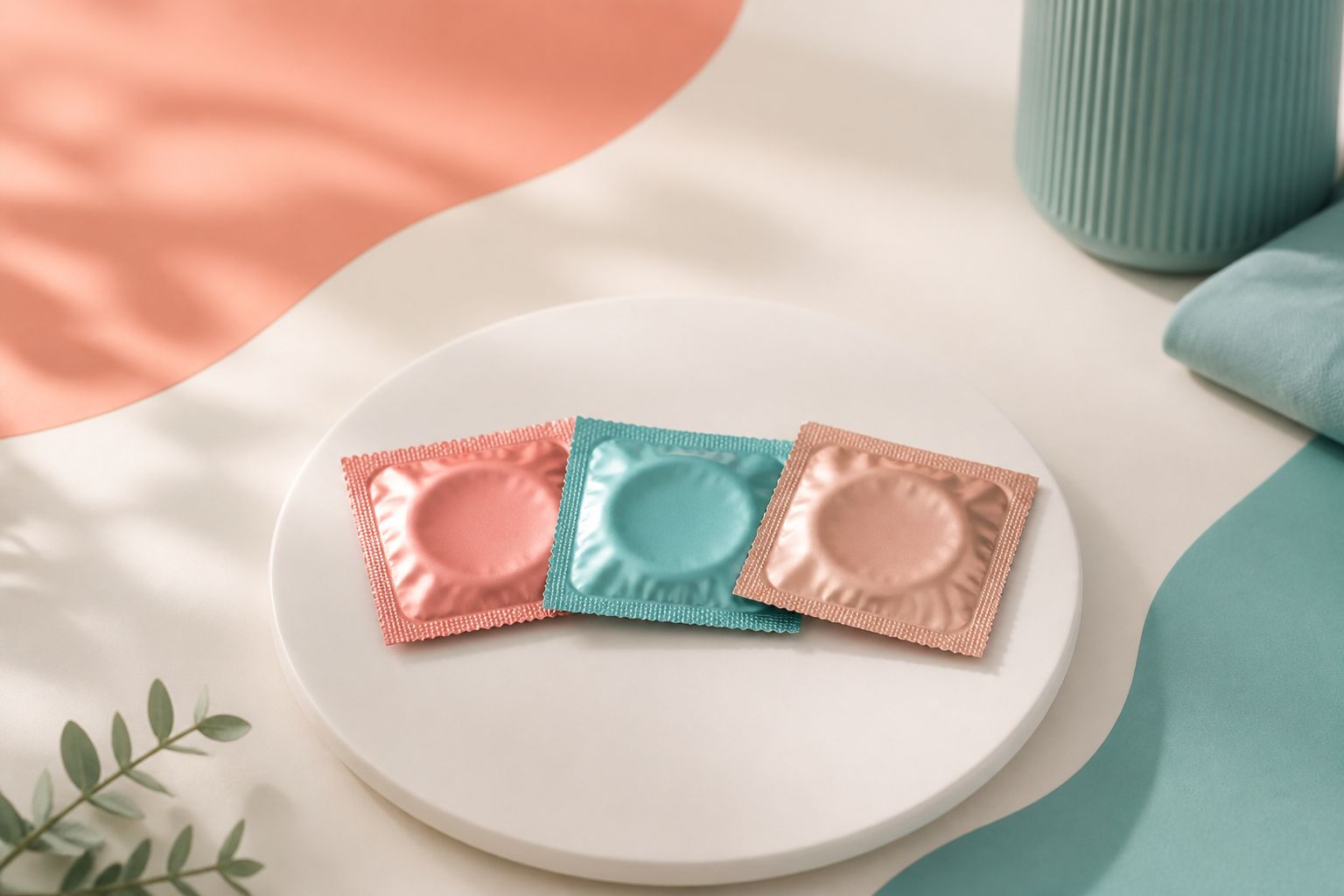 ny people still settle for the first pack they grab—then wonder why comfort, sensation, or consistency suffers. Choosing the right condoms is about fit, material, lubrication, and habits that make protection feel natural rather than disruptive.
This guide walks through condom types, sizing myths, correct usage, storage mistakes, and how protection pairs with lubrication and broader intimate wellness.
Why Condoms Still Matter
When used correctly and consistently, condoms help reduce the risk of many sexually transmitted infections and provide a hormone-free contraception option. They are portable, relatively affordable, and do not require a prescription in most everyday retail settings. For new partners, non-monogamous arrangements, or anyone prioritizing dual protection, condoms are foundational.
Effectiveness depends on real-world use: putting them on before genital contact, avoiding oil-based products with latex, checking expiry dates, and withdrawing carefully while holding the base.
Materials and Styles Explained
Latex condoms are widely available and effective for most users. Polyurethane and polyisoprene options support people with latex allergies and can feel different in heat transfer and stretch. Lambskin condoms may be chosen by some for sensation but do not protect against STIs the same way synthetic barriers do—know the difference before you buy.
Beyond material, you will find ultra-thin, textured, contoured, studded, and delayed-climax styles. Preference is personal. Sensation-focused designs only help if fit is correct; a poorly fitting “premium” condom still fails comfort goals.
Fit Is Everything
Too tight can reduce sensation and increase breakage risk. Too loose can slip. Width and length both matter, and brands vary. If condoms frequently feel constricting or roll down, try a different size category rather than assuming “one size fits all.” Comfort improves compliance—and compliance improves safety.
Lubrication and Compatibility
Many condoms come pre-lubricated, but adding a compatible Lubricant Gel often improves comfort and reduces friction-related breakage. Stick to water-based or approved hybrids with latex.
Avoid lotions, massage oils, and petroleum jelly with latex. Those products can weaken the barrier within minutes. If you prefer silicone lubricants, confirm condom material compatibility on the label.
Correct Use, Step by Step
Check the package for air cushion and expiry date. Open carefully—no teeth or sharp nails. Pinch the tip to leave space for fluid, roll down fully while erect, and ensure no air bubbles remain along the shaft. After ejaculation, withdraw while holding the rim, then dispose of the condom in a bin—not the toilet.
Use a new condom for each act and each partner switch between anal, vaginal, or oral contact according to safer-sex guidance. Never reuse. If a condom breaks, pause, consider emergency contraception if pregnancy is a concern, and seek STI testing advice when relevant.
Connecting Protection With Broader Care
Safer sex is easier when the whole routine feels good. Pair protection with gentle Intimate Care products that keep skin comfortable before and after intimacy.
Aftercare also includes smart Intimate Hygiene—mild cleansing, breathable clothing, and listening for signs of irritation that need medical attention.
Storage Mistakes That Quietly Reduce Reliability
Wallets, hot cars, and bathroom steam are poor storage environments. Heat and friction can damage latex. Keep condoms in a cool, dry place and rotate stock so older packs are used first. Damaged wrappers or brittle texture are signs to discard.
Talking About Condoms Without Awkwardness
Normalize the conversation early. Framing protection as mutual care—“I want both of us to feel safe and relaxed”—reduces defensiveness. Keep condoms accessible so the moment does not become a hunt through drawers. Confidence in the process is part of sexual wellness.
Where to Buy With Confidence
Explore options through Konicamart to compare styles and build a safer-sex kit that matches your comfort preferences and lifestyle.
Pleasure-Focused Protection Strategies
Sensation improves when fit is correct, extra compatible lubricant is used, and the condom is integrated into foreplay rather than treated as an interrupt. Some people prefer putting the condom on as part of intimacy instead of a clinical pause. Experiment with thicknesses and textures on your own first if anxiety is high, because familiarity reduces fumbling later.
If reduced sensation is a consistent complaint, try a different brand or a thinner style before abandoning protection. Sometimes the issue is dryness or anxiety, not the condom itself. Addressing those factors often restores enjoyment without sacrificing safety.
Special Situations and Safer Sex Planning
New partners, overlapping partners, and partners with unknown testing history raise the value of consistent barrier use. Even in committed relationships, some couples use condoms for STI prevention until shared testing is complete, or for contraception between other methods. Clarify goals together: pregnancy prevention, STI reduction, or both.
Allergy and sensitivity planning matters. If latex triggers itching or hives, switch materials promptly and consider medical advice. If spermicide irritates, choose non-spermicidal condoms and add a gentle lubricant instead. Discomfort is information you should not ignore.
Building a Ready-to-Go Safer Sex Kit
A practical kit includes at least two condom styles or sizes you trust, compatible lubricant, tissues, and a small disposal bag for travel. Check the kit monthly for heat exposure and expiry dates. Keeping supplies in more than one location, such as home and a travel bag, reduces last-minute risk-taking.
Education belongs in the kit too. Know where local testing services are, what emergency contraception access looks like in your area, and how to talk about recent exposures without shame. Condoms are strongest inside a culture of honest communication.
Quality Checks and Common Failure Points
Most condom failures in real life come from user errors rather than mysterious manufacturing defects: late application, oil-based incompatibilities, wrong size, reuse, or damaged packaging. Slowing down for thirty seconds of correct technique prevents hours of anxiety later. Practice alone so muscle memory is ready when nerves are high.
Buy from reputable sellers so you are less likely to encounter poorly stored or counterfeit stock. Inspect wrappers for tears and dryness. If a condom smells strongly of deterioration or feels brittle, discard it. Cheap bulk deals are not bargains when integrity is uncertain.
Make protection part of mutual respect. Asking about barriers, testing, and contraception is adult communication, not an accusation. Couples who can talk about condoms usually find it easier to talk about desire, boundaries, and aftercare as well.
Final Takeaway
The best condoms are the ones you will actually use correctly: proper fit, compatible lubrication, intact packaging, and calm communication. Protection and pleasure are not opposites—they work best as a team.
Frequently Asked Questions
Q: Do expired condoms still work?
A: Do not rely on expired condoms. Materials degrade over time, especially with heat exposure, which raises breakage and slippage risk. Check dates when you buy and when you use. Rotate stock and discard questionable packs without debate.
Q: What if a condom breaks during sex?
A: Stop, withdraw carefully, and discuss next steps calmly. Consider emergency contraception if pregnancy is a concern and evaluate STI testing needs based on risk. Having a plan before it happens reduces panic. Keep relevant clinic numbers or pharmacy access information available.