
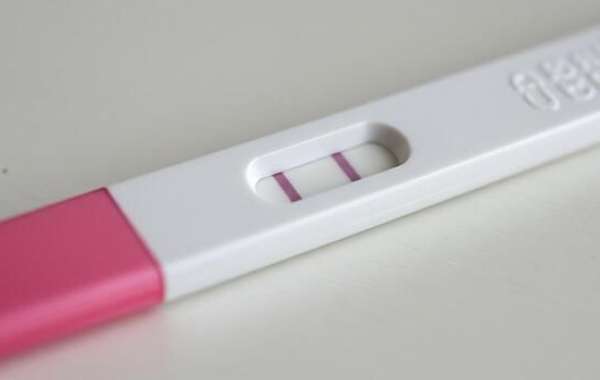
Human chorionic gonadotropin, commonly known as hCG, is one of the most important hormones measured during early pregnancy testing. A Pregnancy Blood Test At Home in dubai allows women to have a professional blood sample collected in the comfort of their home and sent to a laboratory for hCG analysis. A Doctor at Home service may also help patients understand when testing is appropriate and what different types of results can indicate. After implantation, cells associated with the developing pregnancy begin producing hCG, and the hormone generally increases during early pregnancy. Because hCG can be detected in blood, it provides an important biological marker for pregnancy confirmation. However, hCG results must always be interpreted according to the timing of testing and individual circumstances.
What Is Human Chorionic Gonadotropin:
hCG is a hormone produced after implantation and is closely associated with pregnancy. Following implantation, specialized cells that contribute to the placenta begin releasing hCG into the bloodstream. The hormone supports important processes during early pregnancy and can subsequently be detected through laboratory testing. Because hCG production begins after implantation rather than immediately after fertilization, testing too soon after possible conception may not detect it. This is one reason why the timing of a pregnancy test matters. Although hCG is an important pregnancy marker, individual levels can vary significantly, so a single result should not be interpreted without considering the patient's overall circumstances.
How hCG Levels Change During Early Pregnancy:
During early pregnancy, hCG levels generally increase as the pregnancy develops. However, the exact amount and rate of increase can differ between individuals. Ovulation and implantation do not occur at precisely the same time for everyone, meaning that two women who believe they are at the same stage based on their menstrual cycles may have different hCG levels. For this reason, healthcare professionals do not rely on one universal number to determine whether a pregnancy is progressing normally. When monitoring hCG is clinically appropriate, repeat quantitative blood tests may be performed at specific intervals to evaluate changes over time.
How a Pregnancy Blood Test Measures hCG:
A pregnancy blood test uses a blood sample to determine whether hCG is present or to measure its concentration. There are two main types of pregnancy blood tests. A qualitative test generally reports whether hCG has been detected, resulting in a positive or negative finding. A quantitative test measures the concentration of hCG and provides a numerical value. Quantitative testing can provide more detailed information and may be recommended in particular medical circumstances. Regardless of the test type, the sample must be collected correctly and processed by an appropriate laboratory. Patients should discuss which type of testing is suitable for their individual situation.
Why Timing Matters for hCG Testing:
The timing of a pregnancy blood test can significantly influence the result. After fertilization, implantation needs to occur before hCG production begins at detectable levels. If a test is performed too early, the hCG concentration may be below the laboratory's detection threshold. This can lead to a negative result even when pregnancy has occurred. Women may consider testing around the expected date of their menstrual period or after a missed period, but individual timing varies. Factors such as irregular cycles and uncertain ovulation dates can make timing more difficult. When there is uncertainty, professional guidance can help determine whether testing or repeat testing is appropriate.
Qualitative Versus Quantitative hCG Testing:
Qualitative and quantitative hCG tests provide different information. A qualitative test answers the basic question of whether hCG has been detected, making it useful for pregnancy confirmation. A quantitative test provides a numerical measurement of hCG and may be used when more detailed monitoring is needed. Quantitative testing can sometimes be repeated to assess how levels change over time. However, patients should avoid comparing their numerical result with random values found online because hCG ranges can vary substantially. A healthcare professional considers the result in relation to gestational timing, symptoms, medical history, and other clinical information.
What Different hCG Results May Indicate:
A detectable hCG level can indicate pregnancy when interpreted in the appropriate clinical context. A negative result means that hCG was not detected at the level measured by the test, but an early negative result may require repeat testing if pregnancy remains possible. A quantitative result provides a number rather than simply a positive or negative finding. However, no single hCG measurement can independently confirm that a pregnancy is developing normally. Results may be affected by the timing of implantation, the timing of testing, and individual biological differences. Understanding these limitations can prevent unnecessary anxiety and help patients know when follow-up may be appropriate.
Factors That Can Influence hCG Levels:
Many factors can affect how an hCG result should be interpreted. The most important consideration is often the timing of the test relative to implantation and pregnancy development. Other factors can also contribute to differences in measured levels. Relevant considerations include:
- Timing of ovulation.
- Timing of implantation.
- Date of the last menstrual period.
- Time elapsed since possible conception.
- Individual biological variation.
- Previous pregnancy testing.
- Certain medical conditions or medications.
- Laboratory testing procedures.
Providing accurate information about menstrual history and previous testing can help healthcare professionals interpret the result more effectively.
Benefits of Measuring hCG Through Home Blood Testing:
Home blood testing can make access to hCG measurement more convenient for women who prefer not to travel to a clinic or laboratory. A qualified healthcare professional can collect the blood sample at home and arrange appropriate laboratory analysis. Potential benefits include:
- Convenient professional sample collection.
- Reduced travel time.
- Less time spent in waiting areas.
- Greater privacy.
- Easier appointment coordination.
- Access to qualitative or quantitative testing when appropriate.
- Convenient access for women with demanding schedules.
The quality of the service remains important, so patients should choose providers that use qualified healthcare professionals and reliable laboratory facilities.
Preparing for an hCG Blood Test at Home:
Preparation for an hCG blood test is generally straightforward, particularly when pregnancy testing is the only examination being performed. However, additional laboratory tests may have different requirements. Patients should provide useful information such as the date of their last menstrual period, previous pregnancy test results, approximate conception timing if known, and relevant medications or supplements. Before the appointment, it is helpful to confirm:
- The type of hCG test being performed.
- Whether any preparation is required.
- Expected laboratory turnaround time.
- How results will be delivered.
- Whether follow-up guidance is available.
Following the provider's instructions can help ensure that the appointment proceeds smoothly.
What Happens After a Positive hCG Result:
A positive pregnancy blood test generally indicates that hCG has been detected. Once pregnancy is confirmed, appropriate prenatal care should be arranged. A healthcare professional may discuss medications, supplements, nutrition, lifestyle considerations, and future appointments. Depending on the individual's circumstances, additional blood testing or an ultrasound may be recommended. Patients should not independently stop prescription medications after discovering they are pregnant; medication decisions should be discussed with an appropriate healthcare professional. Early confirmation provides an opportunity to begin appropriate care and planning.
What Happens After a Negative hCG Result:
A negative blood test means that hCG was not detected at the level measured by the laboratory. However, if testing occurred very early, pregnancy may still be possible because hCG may not yet have reached a detectable concentration. If menstruation remains absent or pregnancy symptoms continue, a healthcare professional may recommend repeat testing after an appropriate interval. Women with irregular cycles may require additional consideration because the expected testing date can be difficult to establish. A negative result should therefore be interpreted according to the timing and circumstances rather than viewed in isolation.
When Quantitative hCG Monitoring May Be Recommended:
In certain situations, healthcare professionals may recommend quantitative hCG testing more than once. Serial measurements can provide information about how hCG changes over time and may be used as part of an early pregnancy assessment when clinically indicated. However, hCG monitoring should be guided by a qualified healthcare professional rather than performed repeatedly without a clear reason. The pattern of hCG change is only one part of pregnancy assessment. Depending on symptoms and gestational timing, additional evaluation such as ultrasound may be required. Patients should follow the testing schedule recommended by their healthcare team.
Choosing a Reliable Home Testing Provider:
The accuracy and usefulness of home pregnancy blood testing depend on more than simply collecting blood at home. Patients should choose a provider with qualified sample-collection professionals and appropriate laboratory arrangements. Before scheduling an appointment, consider asking:
- Who will collect the blood sample?
- Which laboratory will analyze the specimen?
- How is the sample transported?
- What is the expected turnaround time?
- How will the report be delivered?
- Can a healthcare professional explain unexpected results?
- Are appropriate specimen-identification procedures followed?
A reputable provider should clearly explain the testing process and answer these questions before the appointment.
When to Seek Medical Attention:
A pregnancy blood test is an important diagnostic tool, but it does not replace clinical assessment when concerning symptoms occur. Women who receive a positive result should arrange appropriate pregnancy care. Prompt medical evaluation is particularly important if there is severe abdominal or pelvic pain, heavy bleeding, fainting, or significant dizziness. These symptoms can require assessment beyond routine hCG testing. Patients should not rely on a single laboratory result to determine whether urgent medical care is necessary. When symptoms are concerning, professional evaluation should take priority.
Final Thoughts:
hCG plays a central role in pregnancy blood testing because its presence provides an important indicator of pregnancy after implantation. A Pregnancy Blood Test At Home in dubai offers a convenient way to access professional hCG testing while reducing travel and waiting. Qualitative tests can indicate whether hCG is detected, while quantitative tests provide a numerical measurement that may be monitored when clinically appropriate. Because hCG levels vary according to pregnancy timing and individual circumstances, results should never be interpreted as a standalone measure of pregnancy health. Choosing a reputable home healthcare provider, testing at an appropriate time, and discussing results with a qualified healthcare professional can help women understand their hCG results and take appropriate next steps.