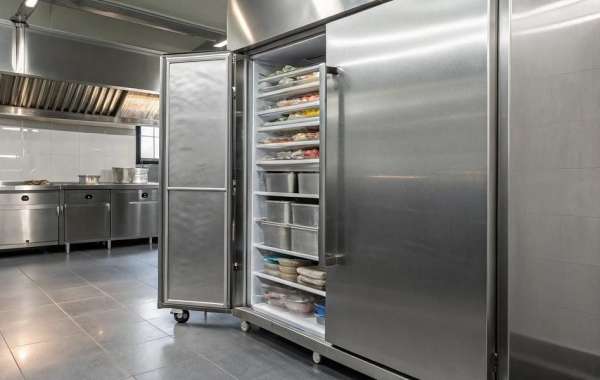
A reliable commercial kitchen freezer is essential for restaurants, hotels, cafés, bakeries, catering companies, supermarkets, and other professional foodservice operations. Commercial kitchens often store large quantities of meat, seafood, vegetables, frozen foods, desserts, ingredients, and prepared products. Having dependable frozen storage helps businesses organize inventory, reduce food waste, and maintain an efficient workflow.
Unlike residential freezers, commercial kitchen freezers are designed for demanding environments. They need to withstand frequent use, large product loads, repeated door openings, and long operating hours. Selecting the right freezer requires careful consideration of capacity, temperature control, construction, energy efficiency, accessibility, and available kitchen space.
This guide explains the different types of commercial freezers, important features to consider, maintenance requirements, and how to choose the right solution for your foodservice operation.
What Is a Commercial Kitchen Freezer?
A commercial kitchen freezer is a heavy-duty freezing appliance designed specifically for professional foodservice and commercial applications.
Restaurants use commercial freezers to store products such as:
Meat and poultry
Seafood
Frozen vegetables
Ice cream
Frozen desserts
Prepared meals
Bakery ingredients
Frozen sauces
Packaged foods
Specialty ingredients
Commercial freezers are available in several configurations, including reach-in freezers, undercounter freezers, chest freezers, upright freezers, prep freezer systems, and walk-in freezers.
The right choice depends on the restaurant's storage requirements, kitchen layout, menu, and daily inventory volume.
Why Commercial Freezers Are Important
Frozen storage is a critical part of many professional kitchens.
A dependable commercial freezer can help businesses:
Preserve frozen ingredients
Extend product storage life
Reduce food waste
Maintain organized inventory
Purchase ingredients in larger quantities
Support menu consistency
Improve kitchen workflow
Prepare for busy service periods
Restaurants that do not have adequate freezer capacity may face overcrowding, difficult inventory management, and unnecessary product waste.
A properly sized commercial freezer provides a dedicated environment for frozen inventory while allowing employees to organize products efficiently.
Commercial vs. Residential Freezers
One of the most important considerations is choosing equipment specifically designed for commercial use.
Residential freezers are built for household storage and generally operate under different usage conditions. A professional kitchen may open freezer doors repeatedly throughout the day while continuously adding and removing products.
Commercial freezers are designed for heavier workloads and professional environments.
They commonly feature:
Heavy-duty construction
Larger storage capacity
Commercial refrigeration components
Durable shelving
Strong door hardware
Professional temperature controls
Configurations designed for foodservice operations
For restaurants and other businesses, commercial-grade equipment is generally more appropriate than residential appliances.
Types of Commercial Kitchen Freezers
Different kitchens require different freezer configurations. Understanding the available options can make the buying process easier.
Reach-In Commercial Freezers
Reach-in freezers are among the most common options for restaurants.
Their upright design provides substantial storage capacity while using vertical floor space efficiently. Employees can access frozen ingredients quickly without entering the freezer.
Reach-in freezers are suitable for restaurants, hotels, cafeterias, bakeries, catering kitchens, and other foodservice operations.
Undercounter Freezers
Undercounter freezers are compact units designed to fit beneath counters and work surfaces.
They are useful for kitchens where frequently used frozen ingredients need to remain close to preparation stations.
Their smaller footprint makes them especially helpful in compact commercial kitchens.
Chest Freezers
Chest freezers provide horizontal storage and can accommodate large quantities of frozen products.
They can be useful for businesses that need additional frozen storage but do not necessarily require frequent access to every item throughout the day.
Businesses should consider employee access and organization when using chest-style storage because products stored at the bottom can be more difficult to reach.
Walk-In Freezers
Walk-in freezers provide significantly more storage capacity than standard commercial freezer cabinets.
They are often used by high-volume restaurants, hotels, food distributors, supermarkets, institutional kitchens, and catering operations.
Employees can enter the freezer to organize pallets, boxes, containers, and larger quantities of frozen inventory.
How to Choose the Right Commercial Kitchen Freezer
Selecting the correct freezer requires more than measuring available floor space.
Consider Your Storage Requirements
Start by determining how much frozen inventory your business normally stores.
Review your menu and purchasing patterns. Consider how much meat, seafood, frozen produce, desserts, and prepared food you keep in stock.
Also consider peak periods when inventory levels may increase.
Evaluate Available Space
Measure the area where the freezer will be installed.
Consider:
Width
Depth
Height
Door clearance
Employee walkways
Ventilation
Electrical connections
Delivery access
The freezer should fit comfortably without interfering with food preparation or employee movement.
Consider Accessibility
Frequently used ingredients should be easy for employees to access.
An upright reach-in freezer may be preferable for fast-moving ingredients, while larger storage systems may be appropriate for bulk inventory.
Important Features to Look For
1. Temperature Control
Consistent temperature control is essential for frozen food storage.
Look for commercial freezers with reliable controls and easy-to-read temperature displays.
Digital controls can make it easier for staff to monitor the unit and identify potential temperature changes.
2. Storage Capacity
Capacity should match your actual inventory requirements.
Avoid selecting a freezer that is too small, because overcrowding can make organization difficult.
At the same time, purchasing a much larger freezer than necessary can consume valuable kitchen space and increase operating expenses.
3. Durable Construction
Commercial kitchen equipment must withstand frequent use.
Stainless steel is commonly used for commercial freezers because it is durable, professional-looking, and relatively easy to clean.
Pay attention to:
Door handles
Hinges
Shelving
Casters
Door gaskets
Interior surfaces
Insulation
4. Adjustable Shelving
Adjustable shelves can make the freezer more versatile.
Restaurants often store products in different containers and packaging sizes, so flexible shelving can help maximize usable space.
5. Door Configuration
Commercial freezers are available with different door configurations.
Single-door models can work well for smaller kitchens, while multi-door units provide greater storage capacity and allow employees to access specific sections.
Organizing a Commercial Kitchen Freezer
Good organization is just as important as freezer capacity.
Group similar products together and clearly label containers where appropriate.
For example, a restaurant might organize frozen inventory into sections for:
Meat
Seafood
Vegetables
Desserts
Prepared foods
Bakery ingredients
Sauces and specialty products
Keep frequently used products in easily accessible areas.
Avoid blocking internal airflow paths, and do not overload shelves beyond manufacturer recommendations.
Proper organization can reduce the time employees spend searching for ingredients and can improve overall kitchen efficiency.
Energy Efficiency and Operating Costs
Commercial freezers operate continuously, so energy efficiency should be considered during the buying process.
Features such as effective insulation, efficient refrigeration components, tight door seals, and energy-conscious lighting can influence operating costs.
Proper installation is equally important.
Avoid placing a freezer directly beside ovens, fryers, grills, or other heat-producing equipment.
Ensure adequate clearance and ventilation according to the manufacturer's installation requirements.
Keeping the freezer doors closed whenever possible can also reduce unnecessary heat transfer.
Commercial Freezer Maintenance
Regular maintenance helps protect freezer performance and extend equipment life.
Clean the Interior
Remove spills, food debris, packaging materials, and other contaminants regularly.
Inspect Door Gaskets
Check seals for cracks, gaps, or deterioration. Damaged gaskets can allow cold air to escape.
Monitor Temperature
Check temperatures according to your restaurant's food safety procedures.
Avoid Overloading
Overloading can interfere with internal airflow and make it difficult for cold air to circulate properly.
Clean Refrigeration Components
Follow manufacturer recommendations for cleaning condenser areas and maintaining refrigeration components.
Schedule Professional Service
If the freezer develops unusual noises, temperature fluctuations, excessive frost, or other performance problems, professional servicing can help identify the cause.
Commercial Freezers and Food Safety
Proper frozen storage is an important part of food safety management.
Restaurants should establish procedures for receiving, labeling, storing, rotating, and monitoring frozen foods.
Keep food properly packaged and protected from contamination. Raw products should be appropriately separated from ready-to-eat foods.
Employees should also avoid leaving frozen products outside controlled storage longer than necessary.
Always follow applicable local food safety regulations and manufacturer instructions.
Common Commercial Freezer Buying Mistakes
Buying Only Based on Price
A low purchase price does not always mean lower long-term costs. Durability, energy consumption, capacity, and maintenance should also be evaluated.
Choosing Insufficient Capacity
A freezer that is too small may quickly become overcrowded.
Ignoring Kitchen Workflow
The freezer should be positioned where employees can access ingredients without disrupting preparation areas.
Forgetting Door Clearance
Always consider how much space is required to open doors fully.
Overlooking Maintenance
Commercial freezers require regular cleaning, inspection, and servicing to perform reliably.
Choosing the Wrong Configuration
A reach-in freezer may be better for frequently accessed ingredients, while a walk-in or chest freezer may be more appropriate for bulk storage.
Choosing Commercial Freezers From The Horeca Store
Finding the right freezer is easier when you can compare different commercial refrigeration configurations based on your specific requirements.
The Horeca Store offers commercial refrigeration equipment for restaurants, hotels, cafés, bars, catering companies, and other professional foodservice businesses.
Explore the commercial freezer collection from The Horeca Store to review freezer options suitable for different restaurant and foodservice applications.
Before purchasing, compare storage capacity, temperature control, dimensions, construction quality, shelving, energy efficiency, and maintenance requirements.
Frequently Asked Questions
What is the best type of commercial kitchen freezer?
The best freezer depends on your storage volume, kitchen layout, and workflow. Reach-in freezers are versatile for everyday restaurant use, while walk-in freezers are better suited to high-volume operations requiring substantial storage.
How large should a commercial kitchen freezer be?
Choose a freezer based on normal and peak inventory levels. Make sure it provides enough capacity without occupying unnecessary kitchen space.
Are commercial freezers better than residential freezers?
Commercial freezers are specifically designed for professional environments and frequent use. They generally provide heavier-duty construction and configurations suited to restaurant operations.
How often should a commercial freezer be maintained?
Cleaning and temperature checks should be performed regularly. Door seals, refrigeration components, and other equipment should be inspected according to manufacturer recommendations.
Conclusion
A dependable commercial kitchen freezer is an essential investment for restaurants and other professional foodservice businesses. The right freezer can help preserve frozen ingredients, improve inventory organization, reduce waste, and support an efficient kitchen workflow.
When choosing commercial freezer equipment, consider storage capacity, temperature control, construction quality, shelving, door configuration, available space, energy efficiency, and maintenance requirements.
Whether your restaurant needs a compact undercounter freezer, a versatile reach-in unit, a chest freezer for additional storage, or a large walk-in system, selecting equipment based on your actual operational requirements can provide better long-term value.
The Horeca Store with proper installation, organization, cleaning, and maintenance, a commercial kitchen freezer can provide dependable frozen storage and support the daily demands of a busy professional kitchen.