
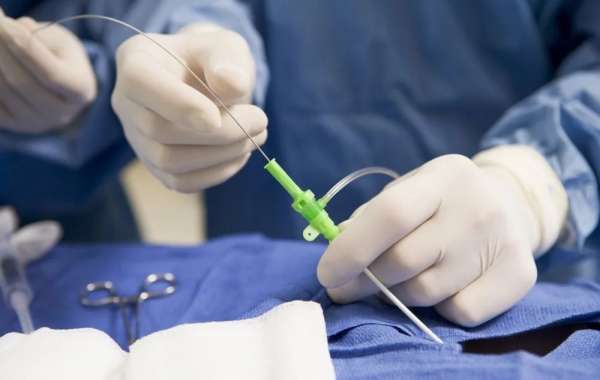
Managing a urinary catheter at home requires careful hygiene, regular observation, and awareness of changes that could indicate a complication. For families seeking reliable Catheter Care at Home Dubai, knowing when professional medical attention is necessary can make catheter management safer and help prevent delays in treatment. A Doctor at Home can assess the patient's condition and provide appropriate medical guidance, while trained healthcare professionals can support routine catheter care according to an individualized plan. Although many catheter-related tasks can be managed at home, certain symptoms should never be ignored.
Why Monitoring a Catheter Is Important:
A urinary catheter provides continuous drainage from the bladder, but its presence can also create potential risks, including infection, blockage, leakage, irritation, and accidental displacement. Regular observation allows patients and caregivers to notice changes in the catheter system and the patient's general health. Monitoring should involve visual checks of the tubing, drainage bag, urine flow, and surrounding skin without unnecessarily touching or manipulating the catheter. The appropriate frequency of checks depends on the patient's medical condition, catheter type, mobility, and healthcare provider's instructions. Caregivers should always follow the patient's individualized care plan rather than relying solely on general information.
Signs of a Possible Catheter-Related Infection:
A catheter can increase the risk of urinary tract infection, so caregivers should remain alert to symptoms that may require medical evaluation. Possible warning signs include fever, chills, new or worsening pain, lower abdominal discomfort, unusual weakness, or a noticeable change in the patient's general condition. Discharge around the catheter or significant changes in urine drainage may also require professional attention. Cloudy or strong-smelling urine by itself does not necessarily confirm an infection because urine appearance can change for various reasons. However, when urine changes occur alongside other symptoms, contacting a healthcare professional is appropriate. Patients should not self-treat suspected infections with leftover antibiotics.
When Urine Stops Draining:
A sudden reduction or complete absence of urine flowing into the drainage bag can be a significant concern. It may result from a kinked tube, compression, blockage, displacement, or another issue affecting the drainage system. Caregivers can visually check whether the tubing is bent, compressed, or trapped underneath the patient if this is consistent with their care instructions. The drainage bag should generally remain below bladder level. If urine continues not to drain, especially when the patient develops pain, abdominal swelling, or significant discomfort, professional medical assessment should be sought promptly. Caregivers should never force fluid through the catheter or attempt invasive methods to clear a suspected blockage unless specifically trained and instructed.
Significant Pain or New Discomfort:
Mild awareness of a catheter may occur, but significant, persistent, or newly developing pain should not be dismissed. Discomfort may be related to irritation, bladder spasms, catheter movement, blockage, infection, or another medical issue. Patients should communicate new symptoms to their caregivers, particularly if the pain becomes severe or is accompanied by changes in urine drainage or general health. Caregivers should avoid pulling, twisting, or repositioning the catheter in an attempt to relieve discomfort unless instructed by a healthcare professional. Persistent or severe pain warrants appropriate medical assessment to determine the underlying cause.
Blood in the Urine:
Small amounts of blood can sometimes occur after catheter insertion or manipulation, but significant, persistent, or increasing blood in the urine should receive medical attention. Caregivers should observe whether the urine becomes noticeably red or contains substantial amounts of blood or clots. Bleeding accompanied by pain, reduced urine flow, weakness, dizziness, or other concerning symptoms can require prompt assessment. Rather than assuming that bleeding is a normal part of catheter use, patients and families should contact their healthcare provider for appropriate guidance. Any instructions regarding medication or catheter management should come from a qualified healthcare professional.
Leakage Around the Catheter:
Urine leaking around the catheter rather than flowing normally into the drainage bag can have several possible causes, including bladder spasms, blockage, tubing problems, or catheter displacement. Occasional leakage may occur in some circumstances, but persistent or significant leakage should be evaluated. Caregivers should check for obvious tubing kinks and ensure that the drainage bag is positioned appropriately without manipulating the catheter unnecessarily. The surrounding skin should be kept clean and dry according to professional instructions because prolonged moisture can contribute to irritation. If leakage continues or is associated with pain, reduced urine drainage, fever, or other symptoms, medical advice should be sought.
Changes Around the Catheter Site:
The skin surrounding the catheter should be observed regularly, particularly in patients who are elderly, bedridden, or have limited mobility. Warning signs can include persistent redness, swelling, tenderness, unusual discharge, skin breakdown, or increasing irritation. Caregivers should use the hygiene method recommended by the healthcare provider and avoid applying unapproved creams, powders, fragrances, or antiseptic products. If the skin becomes increasingly painful or damaged, professional evaluation may be necessary. Early attention to skin changes can help prevent a minor irritation from becoming a more significant problem.
Accidental Catheter Removal or Displacement:
A catheter can become displaced or accidentally removed during repositioning, dressing, bathing, walking, or transfers. If this happens, caregivers should not attempt to reinsert the catheter unless they have been specifically trained and authorized to perform the procedure. Contacting a qualified healthcare professional is the safer approach. Significant bleeding, severe pain, or other concerning symptoms following accidental removal require prompt medical assessment. Preventive measures include organizing the tubing carefully, securing it according to professional instructions, and checking the catheter system before moving the patient.
Problems With the Drainage Bag or Tubing:
The drainage system should be observed regularly for problems that could interfere with urine flow. The tubing should remain free from sharp bends, compression, and unnecessary tension, while the drainage bag should generally stay below bladder level. Caregivers should also ensure that the bag does not become excessively full and that the drainage outlet does not touch potentially contaminated surfaces. Common issues to watch for include:
- Kinked or compressed tubing
- A drainage bag positioned above bladder level
- Persistent leakage
- An excessively full drainage bag
- Damaged or disconnected equipment
- Sudden changes in urine flow
- Tubing trapped underneath the patient
If correcting an obvious positioning issue does not restore normal drainage, professional advice should be obtained.
Fever, Chills, or Sudden Changes in Health:
A patient's overall condition is an important part of catheter monitoring. Fever, chills, unusual weakness, confusion or a noticeable decline in wellbeing may require medical evaluation, particularly when accompanied by urinary symptoms. Older adults and patients with complex medical conditions may not always experience typical infection symptoms, so unexplained changes should be taken seriously. Caregivers should document relevant symptoms when appropriate and communicate them to the patient's healthcare provider. Rapid deterioration or severe symptoms should not be managed solely through routine home catheter care.
When Professional Catheter Care Can Help:
Professional catheter-care support can be particularly valuable when patients or caregivers have difficulty managing routine tasks or recognizing potential complications. Qualified healthcare professionals can provide appropriate hygiene assistance, observe the catheter and drainage system, educate family members, and communicate concerning findings to the relevant medical team. Professional support may be helpful for elderly patients, bedridden individuals, people with limited mobility, and patients who have recently returned home after hospitalization. The frequency of home visits should be based on the patient's individual needs and healthcare plan. Professional home care should complement, rather than replace, necessary medical evaluation.
When to Seek Urgent Medical Attention:
Certain catheter-related symptoms should receive prompt medical assessment rather than waiting for a routine appointment or scheduled home visit. These may include severe pain, substantial bleeding, complete lack of urine drainage with discomfort, significant catheter displacement, or symptoms suggesting a serious infection. A rapid deterioration in the patient's overall condition also warrants urgent attention. Caregivers should avoid attempting unfamiliar catheter procedures, forcing fluids through the catheter, or using medications without professional guidance. Having the patient's healthcare provider's contact information readily available can help families respond quickly when unexpected problems occur.
How Families Can Prepare for Catheter Emergencies:
Preparation can make it easier to respond appropriately when catheter-related concerns arise. Families should keep the patient's care instructions, relevant medical contact information, and necessary supplies organized and accessible. Everyone involved in the patient's care should understand which catheter tasks they are trained to perform and which require professional assistance. A simple record of unusual symptoms or catheter-related incidents may also help healthcare professionals understand changes over time. Most importantly, caregivers should know the warning signs that require professional assessment and avoid delaying care because they are uncertain whether a symptom is serious.
Final Thoughts
Safe Catheter Care at Home Dubai involves more than maintaining cleanliness and emptying the drainage bag. Patients and caregivers should know the warning signs that require medical attention, including fever, chills, significant pain, persistent leakage, substantial bleeding, changes around the catheter site, accidental displacement, and reduced or absent urine drainage. Prompt professional assessment can help identify complications and determine appropriate treatment. By following the patient's individualized care plan, monitoring the catheter without unnecessary manipulation, and seeking medical advice when concerning changes occur, families can support safer, more comfortable catheter care at home.