
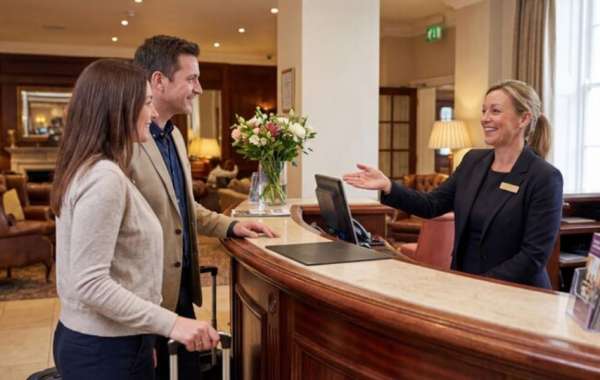
The hotel industry in the UK is highly competitive, and guests expect more than a clean room and comfortable bed. They want quick assistance, useful recommendations, smooth travel arrangements, and a personalised experience from the moment they arrive. This is why Hotel Concierge Services have become an important part of guest service for many hotels.
A professional concierge can help guests with restaurant bookings, transport, local attractions, event tickets, special requests, and many other needs. In the UK, concierge and portering teams can also play an important role in creating a strong first impression because they are often among the first and last hotel employees guests interact with.
What Are Hotel Concierge Services?
Hotel Concierge Services are guest support services designed to make a hotel stay easier, more convenient, and more enjoyable. A concierge acts as a helpful point of contact for guests, answering questions, providing local information, making reservations, arranging transportation, and assisting with special requests.
The exact duties can vary depending on the size and type of hotel. In larger UK hotels, concierge teams may handle enquiries, bookings, baggage assistance, transport arrangements, local recommendations, and other guest services.
Why Are Hotel Concierge Services Important for UK Hotels?
UK hotels welcome a wide range of visitors, including international tourists, business travellers, families, couples, and luxury travellers. These guests can have very different expectations, so a personalised service can help hotels respond to individual needs instead of offering the same experience to everyone.
Concierge teams can also help hotels create a stronger connection with their guests. Current hospitality guidance highlights personalisation, communication, local knowledge, and anticipating guest needs as important elements of high-quality service.
1. Create a Strong First Impression
First impressions matter in hospitality. Guests may interact with concierge or portering staff shortly after arriving, so a friendly welcome, professional appearance, and willingness to help can immediately influence how they view the hotel.
A concierge can greet guests, assist with luggage, explain hotel facilities, and answer initial questions about the local area. UK hospitality standards specifically recognise concierge and portering teams as important to the guest's first and final impressions of a hotel.
2. Provide Local Knowledge
One of the biggest advantages of a concierge is local knowledge. Visitors may not know which restaurants are worth visiting, how to reach a particular attraction, where to shop, or what events are taking place during their stay.
A knowledgeable concierge can provide practical recommendations based on the guest's interests and schedule. For UK hotels, this could include suggesting local museums, theatres, restaurants, historic attractions, sporting events, shopping areas, or countryside experiences. VisitBritain provides information on destinations, attractions, events, and travel around Britain, which can also support concierge teams when keeping their local information current.
3. Arrange Restaurant Reservations
Restaurant reservations are a common concierge request. Guests may want to enjoy a special dinner but have limited knowledge of restaurants in the area or may struggle to find availability during busy periods.
A concierge can recommend suitable restaurants and help guests make reservations according to their preferences. They can consider cuisine, location, budget, occasion, and dietary requirements, helping guests enjoy their dining experience without spending unnecessary time searching.
4. Organise Transportation
Getting around a new city or destination can be stressful, particularly for international visitors. Guests may need airport transfers, taxis, private cars, rental vehicles, or directions to a particular location.
Concierge staff can help arrange suitable transportation and provide useful information about local travel options. This is especially valuable in major UK destinations where guests may need to combine trains, buses, taxis, walking routes, and other forms of transport.
5. Handle Special Guest Requests
Guests may sometimes need assistance with requests that go beyond normal hotel services. These could include arranging flowers, organising birthday or anniversary surprises, purchasing gifts, booking tickets, or helping with a special celebration.
A skilled concierge can coordinate with hotel departments and external suppliers to manage these requests. Handling small details professionally can make a stay feel more personal and memorable, particularly for VIP and luxury guests.
6. Improve the Experience for International Visitors
International guests may need additional assistance when visiting the UK. They may have questions about transportation, attractions, local customs, restaurants, currency, or how to reach different destinations.
A concierge can provide clear and practical guidance that helps international travellers feel more comfortable. This personal support can be particularly useful for guests who are unfamiliar with the UK and want reliable information instead of spending time searching through multiple websites.
7. Support VIP and Luxury Guests
Luxury travellers often expect personalised service and attention to detail. They may want private transportation, exclusive experiences, high-end restaurants, private guides, or carefully planned itineraries.
Research from VisitBritain has highlighted the importance of personalised experiences and concierge services among luxury travellers. Some luxury travellers specifically value hotels where concierge staff provide highly personal service and help arrange experiences such as private travel and difficult-to-secure restaurant reservations.
8. Save Guests Time
Guests usually want to spend their time enjoying their destination rather than dealing with small administrative tasks. Searching for restaurants, booking activities, finding transport, and researching local attractions can take valuable time.
Hotel Concierge Services simplify these tasks by giving guests one convenient point of contact. Instead of researching every option themselves, guests can explain what they need and receive assistance from someone with relevant local knowledge and hotel resources.
9. Combine Personal Service With Technology
Modern concierge services are not limited to the traditional hotel desk. Hotels can now use digital messaging, mobile applications, online booking systems, and virtual concierge tools to make it easier for guests to request information and services.
However, technology should support rather than completely replace human interaction. Current hotel technology trends show that digital concierge tools can help staff respond faster and manage routine requests, while employees can focus on more complex and personalised guest needs.
10. Increase Guest Satisfaction and Loyalty
A guest's overall impression is created through many small interactions during their stay. A helpful concierge who solves a problem, recommends a great restaurant, or organises a memorable activity can make the hotel experience more positive.
When guests receive consistent and personalised support, they may be more likely to recommend the hotel or return in the future. For UK hotels competing for repeat business, strong concierge service can therefore become an important part of the overall guest experience.
How UK Hotels Can Improve Concierge Services
Hotels can improve their concierge operation by regularly training staff, updating local knowledge, building relationships with reliable local businesses, and creating clear procedures for common guest requests. Staff should also understand the hotel's own facilities and services so they can provide accurate information.
Technology can further improve the process by helping teams record requests, communicate with guests, and manage information efficiently. However, the human element should remain central because genuine hospitality, discretion, communication, and personalised attention are what make concierge service valuable. Professional hospitality organisations in the UK also place strong emphasis on continuous professional development and maintaining high service standards.
Final Thoughts
Hotel Concierge Services are an important part of modern guest experience management. From welcoming visitors and providing local recommendations to arranging restaurants, transportation, special requests, and personalised experiences, concierge teams can make hotel stays easier and more memorable.
For UK hotels, investing in well-trained concierge professionals can help create stronger guest relationships and differentiate the property from competitors. The most effective approach combines local knowledge, excellent communication, personalised service, and modern technology to give every guest a smooth and welcoming experience.