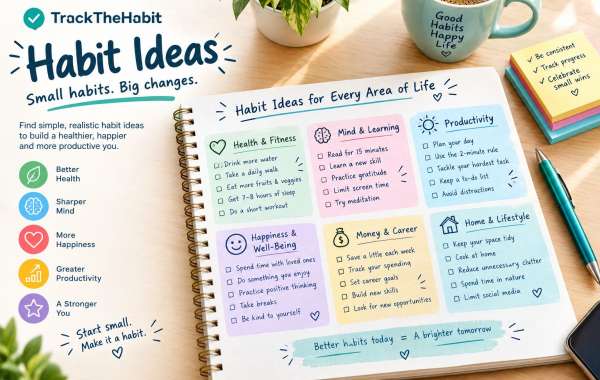
Creating better routines does not always require major lifestyle changes. In many cases, meaningful progress begins with ordinary actions repeated consistently. Reading for a few minutes, organizing a workspace, preparing for tomorrow, practicing a skill, or making time for quiet reflection can gradually become dependable parts of everyday life.
The difficulty is often remembering what you intended to do. Busy schedules can quickly become crowded with responsibilities, appointments, studies, work, family activities, and unexpected events. When goals remain only in your head, they can easily disappear from attention. Writing them down provides a visible reminder and creates a practical way to observe progress.
Understanding the Purpose of a Routine
Before creating a plan, consider why you want to develop better habits. A routine becomes easier to maintain when it supports something that genuinely matters.
Someone may want to become more organized, while another person might hope to spend more time learning or developing a creative interest. Someone else may simply want calmer mornings and less rushed evenings.
Knowing the reason behind an action gives it context. Instead of completing tasks because they appear on a page, you understand how those actions connect with a broader goal.
Keep the Beginning Simple
Starting with too many goals can make a new system feel overwhelming. It is tempting to include everything you would like to improve, but a crowded plan can become difficult to maintain.
Choose a few behaviors that are realistic and meaningful. Once those actions become familiar, you can decide whether additional items are necessary.
It also helps to define each action clearly. “Read more” is vague, while “read ten pages” provides a specific target. Clear descriptions make progress easier to recognize and reduce uncertainty.
Creating a Practical Collection
A useful routine can include different areas of everyday life. You might include learning, organization, creativity, planning, household responsibilities, or personal interests.
When creating a habit list, select actions that are specific enough to understand and simple enough to record. Consider whether each item genuinely supports your priorities. If something does not provide useful information or meaningful progress, it may not deserve space on the page.
The goal is not to collect as many activities as possible. A carefully selected list is easier to follow and gives you clearer information about how your days are developing.
Give Every Action a Natural Place
Timing can influence consistency. A behavior that fits naturally into an existing routine may be easier to remember.
For example, planning tomorrow can happen after dinner, while reading might fit comfortably before bed. Preparing materials for the next day could become part of an evening routine.
You do not need to create a rigid schedule. Instead, look for natural points in your day where an action can comfortably fit.
Make Progress Easy to See
A visual record can make small achievements more noticeable. You might use check marks, dots, boxes, numbers, or short notes to show what happened.
The format can be as simple as a monthly calendar or as detailed as a personal planner. Choose whatever feels comfortable. A complicated system is not automatically more effective.
Visibility is particularly helpful when a behavior is new. Seeing several completed days together can provide a gentle reminder that your effort is accumulating.
Review Instead of Simply Recording
Writing something down is useful, but reviewing the information can provide even greater value. At the end of each week, look over your records and notice patterns.
Perhaps certain actions happen more consistently in the morning. Maybe a particular task becomes difficult when your schedule is crowded. You may also discover that preparation makes certain behaviors much easier.
These observations can help you make better decisions. Instead of assuming you need more motivation, you can examine the circumstances surrounding the behavior.
Allow Room for Busy Days
No routine can predict everything that will happen. Unexpected responsibilities, travel, deadlines, family events, and tiredness can interrupt even well-organized plans.
A missed day should not automatically be treated as failure. It can simply show that your routine needs flexibility.
Consider creating smaller versions of demanding activities. If a normal session takes thirty minutes, a shorter version may be appropriate when your schedule is unusually full. This keeps the action approachable without expecting every day to be identical.
Use Short Reflections
A small notes section can add useful context to your records. You might write a few words about what helped or what created difficulty.
For example, you could note that studying felt easier after removing distractions or that planning was postponed because an unexpected task appeared. These details may seem unimportant initially, but repeated observations can reveal patterns.
Short reflections also encourage awareness without requiring lengthy journaling.
Update Your Plan Regularly
Priorities naturally change. Something that matters today may become less important several months later. A new responsibility may also require space.
Review your routine every few weeks. Remove items that no longer serve a purpose and adjust goals that consistently feel unrealistic.
This keeps your plan connected to your current circumstances. It also prevents the page from becoming crowded with expectations that no longer reflect what you actually want.
Personalize the Experience
A routine should feel like something that belongs to you. Some people enjoy minimalist layouts, while others prefer decorative pages, handwritten notes, symbols, or small drawings.
There is no requirement to follow a particular style. Choose an approach that makes the process enjoyable enough to continue.
If your system starts feeling repetitive, change the layout. A small variation can make reviewing your progress feel fresh without requiring an entirely new method.
Turn Information Into Action
The real benefit of planning comes from what you do with the information. If records show that mornings are your most productive period, consider protecting that time. If distractions repeatedly interfere with an activity, change your surroundings where possible.
Likewise, if an action constantly feels too difficult, break it into smaller steps. A routine should adapt based on experience rather than remain fixed simply because it was written down originally.
Building Consistency Over Time
Consistency does not mean having perfect days. It means continuing to return to useful behaviors even when circumstances change.
A simple system can help by keeping priorities visible and providing evidence of progress. Over time, actions that once required deliberate effort may become familiar enough to feel natural.
The most effective approach is usually straightforward: choose meaningful behaviors, define them clearly, record them honestly, review patterns, and adjust when necessary. There is no need to chase perfection or create an elaborate system.
A well-designed routine should support everyday life rather than add unnecessary pressure. When goals are realistic and progress remains visible, small actions can gradually develop into dependable patterns. With patience and flexibility, a simple written plan can become a practical companion for building routines that feel manageable, purposeful, and sustainable through changing schedules and ordinary daily challenges.