A Portable Ironing Machine needs to remain compact enough for easy handling while still providing the heat and steam required for everyday garment care. This makes internal component arrangement an important part of product development. The heating element, water system, soleplate, controls, and housing cannot be considered separately because changes to one component can affect the overall weight, balance, or available internal space.
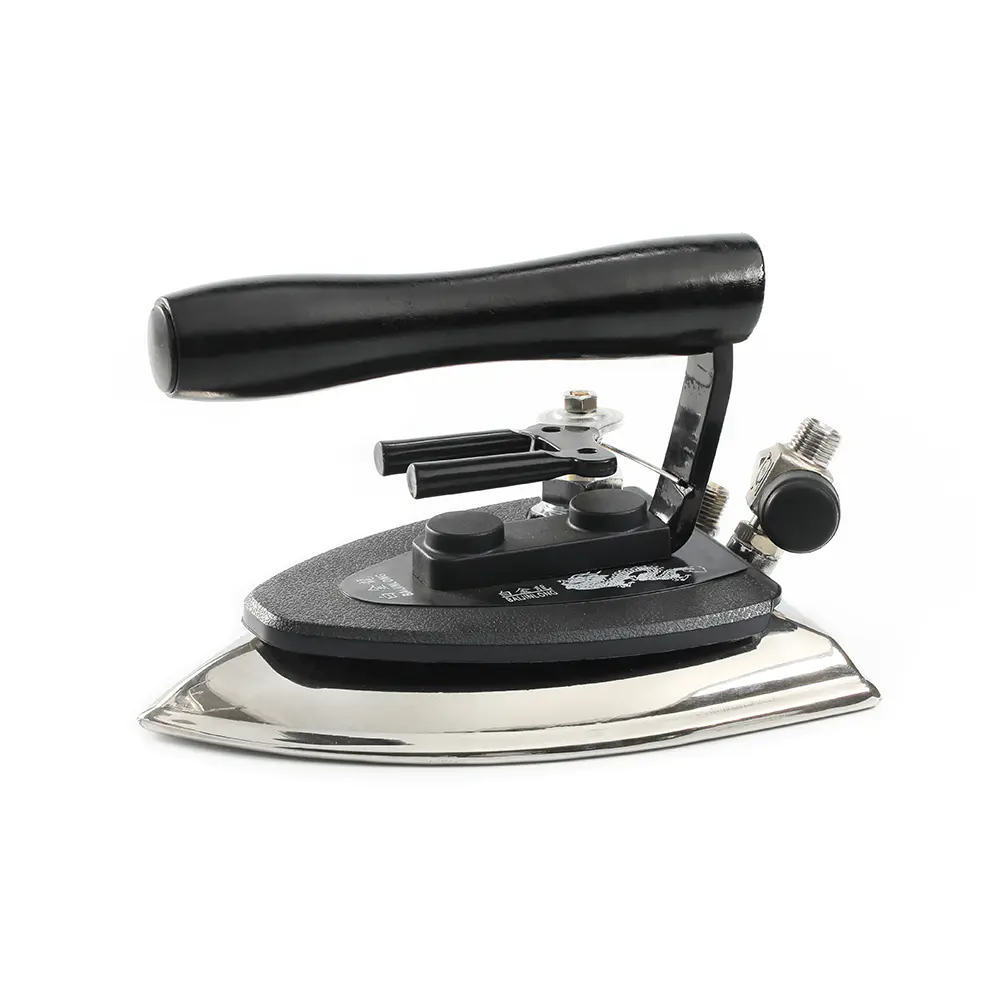
Weight distribution is particularly noticeable during repeated ironing movements. A machine can have a relatively small body but still feel awkward if heavier components are concentrated too far toward the front or rear. The position and shape of the handle also influence control, since users typically move the iron repeatedly across the garment. For manufacturers, reducing overall weight is therefore only one part of creating a practical compact structure.
Steam generation introduces another challenge. Water has to enter the internal system, be converted into steam, and reach the soleplate through controlled passages. Valves, water channels, and related components all require space inside the housing. A well-planned internal layout can keep these functions together without making the exterior unnecessarily large. Steam adjustment can also allow the same machine to handle different garment-care requirements.
The soleplate remains the main contact surface between the machine and the fabric. Its material, dimensions, surface finish, and heat distribution characteristics affect how the machine moves across clothing. Stainless steel is one material used for ironing-machine soleplates because it provides a durable working surface. A smaller soleplate supports portability, while a larger one can cover more fabric during each pass, creating a clear design trade-off.
Water management becomes equally important in a steam-based Portable Ironing Machine. Water needs to remain within the intended flow path during operation, while unwanted leakage through the soleplate needs to be controlled. Anti-drip mechanisms can help reduce water release, while self-cleaning functions may assist with maintaining internal steam passages when the equipment is used repeatedly.
Temperature and steam settings also need to work together. Different textiles respond differently to heat and moisture, so adjustable controls can provide greater flexibility across cotton, wool, synthetic fabrics, and other materials. At the same time, controls should remain straightforward enough for users who need quick garment finishing rather than a complicated operating procedure.
Portable ironing equipment is consequently used in more situations than travel alone. Hotels, clothing retailers, tailoring operations, laundry facilities, and households may all require a compact garment-care tool for different reasons. These applications place varying demands on size, steam capacity, soleplate dimensions, and controls.
The development of a Portable Ironing Machine therefore involves balancing several connected design factors. Compact dimensions are useful, but they have to work alongside stable weight distribution, efficient heating, controlled steam delivery, practical water management, and comfortable handling.