
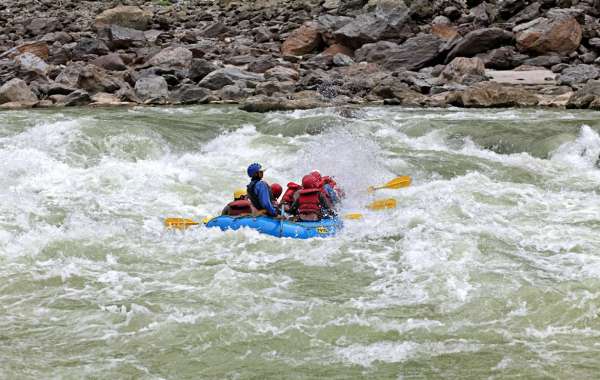
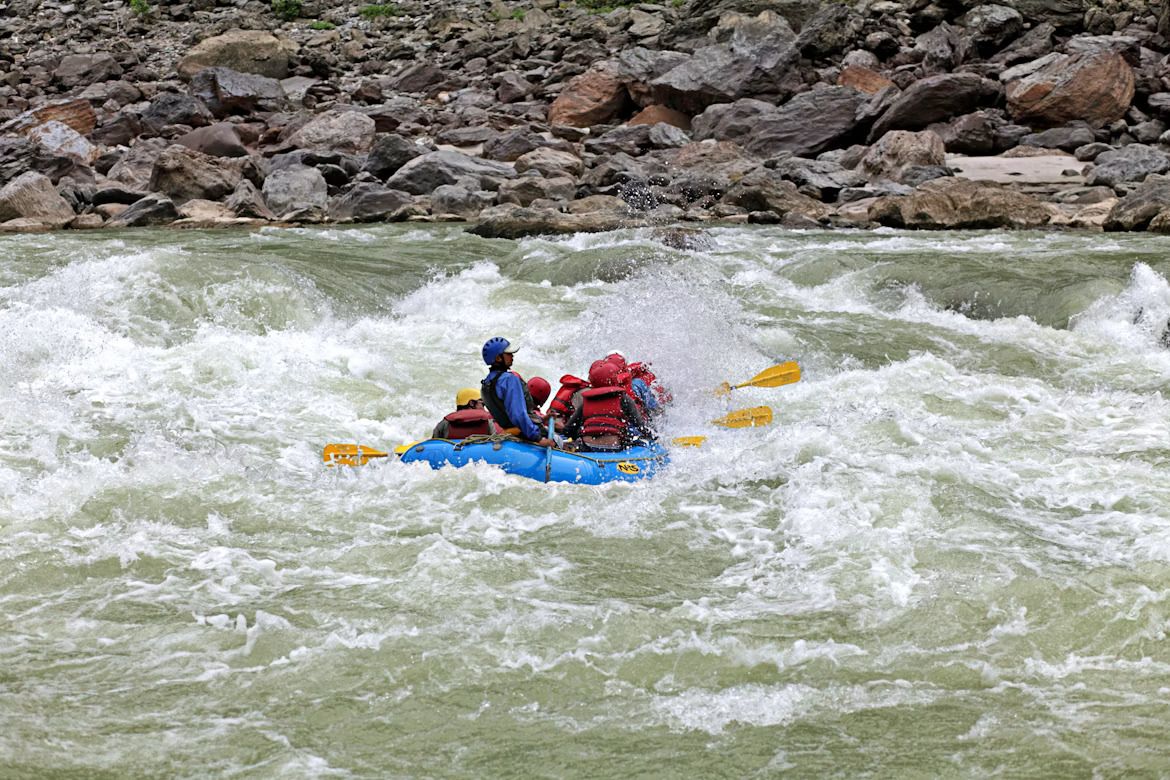
The guide shouts "Forward paddle!" and everyone digs in hard. A wall of white water rises in front of the raft. Cold spray slaps your face. For three seconds you cannot see anything. Then the boat pops out the other side and the whole team screams with joy. This is Rafting in Nepal, and it might be the most fun you can have with a paddle in your hands.
The same snow that feeds Everest feeds these rivers. That is what makes them so wild.
Rivers Born From the Himalayas
Nepal has over 6,000 rivers and streams. Most of them start high in the mountains as melting glacier ice.
That water drops thousands of meters in a short distance. It carves deep gorges through the hills. It creates rapids, waves, and whirlpools.
Few countries on Earth have this much fast water in such a small space. Rafters call Nepal one of the best river destinations in the world.
The Top Rivers to Choose
Trishuli River is the most popular. It sits on the road between Kathmandu and Pokhara, so it is easy to reach. Great for beginners and families.
Bhote Koshi is short but fierce. It has some of the steepest rapids in Nepal. Perfect for thrill seekers.
Seti River is gentle and warm. Ideal for first timers, kids, and anyone who wants scenery over screaming.
Kali Gandaki is a holy river with deep canyons and strong rapids. There are no roads beside it, so it feels truly remote.
Sun Koshi is the giant. It is a multi-day expedition through wild jungle and empty valleys.
The Numbers You Should Know
Most rafting trips in Nepal last from one day to nine days.
A Trishuli day trip covers about 25 to 30 kilometers of river. Bhote Koshi trips are shorter, around 15 to 20 kilometers, but much more intense.
Kali Gandaki runs roughly 100 kilometers over three days. Sun Koshi is the longest at about 270 kilometers over eight or nine days.
Most rafting sections sit between 300 and 1,200 meters above sea level. That means warm air and no altitude problems.
Rapids are graded from Class I to Class V. Trishuli offers Class III. Bhote Koshi reaches Class IV and V.
A Day on the Water
Your day starts with a safety briefing. The guide explains every command and shows you how to hold the paddle.
You get a helmet, a life jacket, and a wetsuit if needed. Then the raft slides into the current.
The first rapid arrives fast. Everyone paddles hard. Water flies everywhere. Somebody laughs so hard they almost fall in.
Between rapids, the river calms. You float past green hills, small villages, and grazing buffalo. Kids wave from the banks.
Nights on the Sand
Multi-day trips include riverside camping. This is where the magic really settles in.
You pull the rafts onto a wide sandy beach. The crew builds a fire and cooks a hot meal.
There is no phone signal and no traffic noise. Just the sound of moving water and a sky packed with stars.
Many people say these camp nights are better than the rapids.
Booking With Nepal Social Treks and Expedition
Safety and good guides make all the difference on a river.
Nepal Social Treks and Expedition organizes rafting trips across Nepal. Their packages usually include trained river guides, safety kayakers on harder sections, all rafting gear, transport, meals, and camping equipment for multi-day trips.
Their guides check water levels before every trip. They also match the river grade to your group's experience level.
The company runs other adventures too, including trekking, peak climbing, canyoning, jungle safaris, and city tours. Many travelers add a rafting day to a longer trek. Contact them for current prices and dates, since water levels change by season.
Best Time to Go
Autumn, from September to November, is the top season. Water levels are high after the monsoon and the rapids are powerful.
Spring, from March to May, is also good. Flows are calmer and the weather is warm.
Winter rafting is possible but cold. Monsoon season brings dangerous water, and most operators pause trips.
Who Can Join?
You do not need to be an athlete. Basic fitness is enough.
Swimming skills help your confidence but are not always required. Your life jacket does most of the work.
Most companies accept ages 10 and up on easy rivers. Harder rivers usually need age 16 or older.
Bring quick-dry clothes, a swimsuit, sunscreen, and shoes that can get soaked. Leave your phone in a dry bag.
Why It Stays With You
Trekking gives you views. Climbing gives you summits.
Rafting gives you something different. It gives you a team, a challenge, and a lot of laughing.
You will forget how many rapids you ran. But you will never forget the moment your raft punched through that first big wave.