Sewing a shoe upper is quite different from sewing a flat piece of fabric. The work may involve leather, synthetic leather, mesh, lining, foam, and other materials that change in thickness and flexibility across the same component. Curved edges and three-dimensional sections can also make positioning more difficult. An Industrial Shoes Making Sewing Machine is therefore generally considered according to the structure of the footwear and the particular sewing operation rather than simply by its general sewing capability.
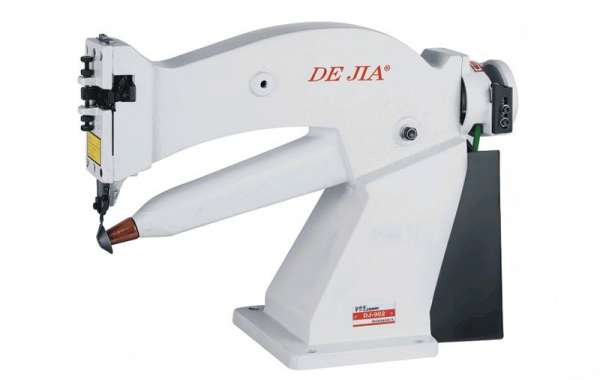
The geometry of the shoe has a direct influence on machine configuration. A flat sewing surface may be convenient for some operations, while curved or restricted areas can require a different working arrangement. Post-bed and cylinder-bed structures, for example, can provide access to areas around raised or curved components. This makes machine configuration closely connected with where the seam is located and how the upper needs to be positioned during sewing.
Material feeding presents another practical challenge. Several layers may need to move together beneath the presser foot, even when their thickness, surface friction, or flexibility differs. If one layer moves faster than another, the seam can shift or puckering may appear. Consistent feeding is particularly important around reinforced sections and areas where several materials overlap.
Stitch quality also depends on the coordination of the needle, hook, presser mechanism, and feeding system. When these movements remain stable, the stitch line is easier to control along edges, curves, and decorative patterns. Mechanical stability becomes especially noticeable during repeated production, where small variations can accumulate across a large number of footwear components.
Different footwear styles create different sewing requirements as well. Sports shoes may contain mesh panels and layered synthetic materials, while leather shoes can involve structured uppers, narrow edges, or decorative stitching. Work footwear may include thicker sections and reinforced areas. Because these constructions are not identical, production lines often use different machine configurations for different stages rather than relying on one setup for every sewing task.
Operator control remains important as well. During footwear sewing, components may need to be repositioned as the seam changes direction or passes through different thicknesses. Stitch adjustment, reverse sewing, presser-foot control, and sewing speed can all affect how easily the material is handled. Practical machine controls therefore remain relevant even in increasingly specialized production environments.
As footwear designs continue to use mixed materials, unusual panel shapes, lightweight structures, and reinforced zones, sewing equipment needs to accommodate these changes at the production stage. Looking at seam position, material layers, product geometry, and the intended sewing sequence provides a more practical basis for equipment selection than considering machine specifications separately from the footwear itself.