For PU Toys, these material differences directly affect how the finished product feels during use. A softer structure can compress easily under pressure, while a denser formulation may provide more resistance. Recovery speed also changes the interaction. Some products are designed around a slow return after squeezing, while others may be expected to recover more quickly. The intended tactile response therefore needs to be considered alongside the external design.
Shape is another area where PU properties become relevant. The material can be used for food-inspired forms, animals, characters, geometric objects, and other irregular designs. However, creating a detailed shape is not simply a matter of making a more complicated mold. Narrow sections, recessed details, sharp transitions, and variations in thickness can all influence how the material behaves during molding and how the finished toy responds to pressure.
Mold design and material formulation consequently need to work together. A shape that looks simple from the outside may have different requirements depending on its internal structure and thickness. Changes in geometry can affect compression behavior, while changes in density can alter how the same shape feels in the hand.
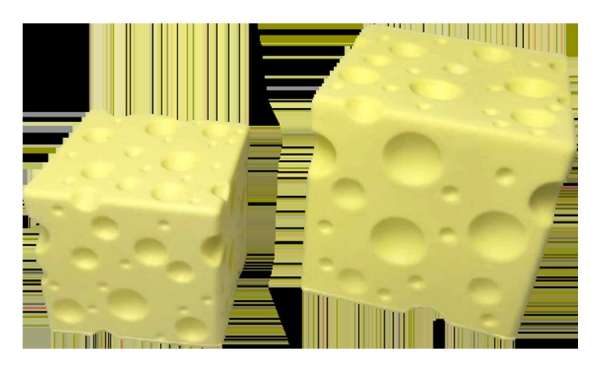
Density is particularly useful when developing variations within the same product concept. Two toys can have almost identical dimensions and appearance while producing noticeably different tactile responses. One may feel soft and slow to recover, while another may feel firmer and return more quickly. This gives product development more flexibility without requiring an entirely different visual concept.
Customization can also involve physical characteristics rather than appearance alone. Color, graphics, and packaging are visible elements, but softness, rebound behavior, surface texture, dimensions, and shape can also be adjusted. For B2B projects, these variables may need to be considered together because changing one characteristic can influence others during molding.
This makes product development more material-driven than it may initially appear. Instead of choosing a shape first and treating the material as a secondary production detail, developers can begin with the intended tactile experience and then consider formulation, density, mold structure, and surface requirements.
The variety of PU Toys available today reflects this relationship between material and design. PU is not defined only by being soft. Its adjustable physical behavior allows similar manufacturing principles to support products with different shapes, compression levels, recovery speeds, and surface characteristics. For new toy concepts, understanding these material-related variables can help connect the intended user experience with the practical requirements of molding and production.