
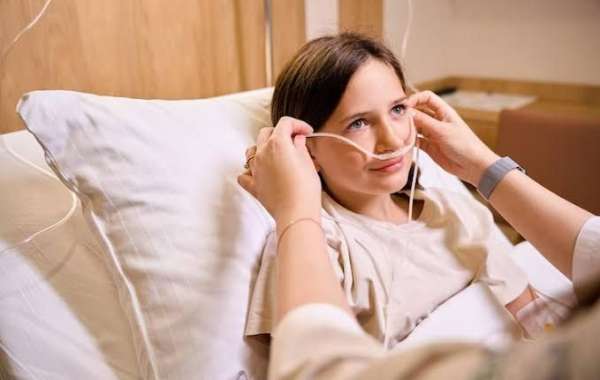
Returning home after hospitalization can be an important step in recovery, but some patients may continue to require supplemental oxygen for a period recommended by their healthcare team. Oxygen Therapy At Home In Dubai can provide prescribed respiratory support while patients recover in a familiar environment and gradually return to their normal routines. With guidance from Doctor at Home, patients and caregivers can understand oxygen instructions, manage equipment, monitor symptoms, and create a safe recovery routine. Following the discharge plan carefully is essential because oxygen therapy should be treated as part of the patient's overall medical care.
Understanding Oxygen Therapy After Hospital Discharge:
Some patients may be discharged with supplemental oxygen after an illness, respiratory infection, surgery, or another medical condition that has affected their oxygen levels. The need for oxygen varies between individuals, and the treatment duration depends on the underlying condition and medical assessment. Patients should understand why oxygen has been prescribed, how often it should be used, and when follow-up evaluation is required. Oxygen should not be started, stopped, or adjusted without appropriate medical guidance.
Review the Hospital Discharge Instructions:
Before leaving the hospital, patients and caregivers should make sure they understand the discharge instructions. These may include the oxygen flow rate, duration of use, equipment requirements, medications, activity restrictions, and follow-up appointments. Written instructions can be especially useful because patients may feel tired or overwhelmed after hospitalization.
Important information to keep available includes:
- Prescribed oxygen flow rate
- Recommended duration of oxygen use
- Equipment instructions
- Medication schedule
- Follow-up appointment details
- Healthcare provider contact information
- Equipment supplier contact information
Prepare the Home Before Returning:
Preparing the home can make the transition from hospital to home smoother. The oxygen equipment should be installed or positioned according to the manufacturer's instructions and healthcare team's recommendations. Walking routes should remain clear, particularly if the patient is weak or has reduced mobility. Frequently used items should be placed within easy reach so the patient does not need to make unnecessary trips around the home.
Follow the Prescribed Oxygen Routine:
Patients should use oxygen exactly as prescribed. Some individuals may need oxygen continuously, while others may require it during sleep, physical activity, or rest. The prescribed flow rate should not be changed because the patient feels better or worse unless the healthcare provider gives specific instructions. Consistency is particularly important during the early recovery period when the body may still be healing.
Monitor Recovery at Home:
After hospitalization, caregivers can help observe the patient's overall condition. Changes in breathing, energy, sleep, appetite, mobility, or general behavior may provide useful information for the healthcare team. If a patient has been instructed to monitor oxygen saturation with a pulse oximeter, readings can be recorded according to the recommended schedule.
Patients and caregivers should remember that oxygen saturation targets are individualized. A reading should not automatically lead to a change in oxygen flow without professional advice.
Manage Oxygen Equipment Safely:
Patients returning home may need time to become familiar with oxygen concentrators, cylinders, nasal cannulas, masks, and tubing. Caregivers should understand how the equipment works and follow the supplier's instructions for use and maintenance. Tubing should be arranged carefully to reduce trip hazards, while equipment should remain in an appropriate location.
Daily equipment checks may include:
- Inspecting tubing for visible damage
- Checking connections
- Ensuring the delivery device is positioned correctly
- Confirming the oxygen source is functioning
- Keeping equipment clean according to instructions
- Reporting technical problems promptly
Follow Important Fire Safety Precautions:
Fire safety is essential whenever oxygen is used at home. Oxygen supports combustion, so smoking, candles, open flames, and inappropriate heat sources must be kept away from oxygen equipment. Family members, visitors, and caregivers should understand these precautions. The patient's recovery environment should be organized so that oxygen equipment remains safely separated from potential ignition sources.
Manage Medications Alongside Oxygen Therapy:
Patients recovering from hospitalization often return home with several medications. Keeping the medication schedule organized can help reduce confusion during recovery. Caregivers may assist with reminders and maintaining a written schedule when appropriate. Oxygen therapy and medication management should remain separate but coordinated parts of the overall care plan. Medication doses should not be changed without instructions from the healthcare provider.
Balance Activity With Rest:
Recovery after hospitalization can involve fatigue and reduced physical strength. Patients should gradually resume activities according to their discharge instructions and medical condition. Household tasks can be divided into smaller steps, with appropriate rest periods between activities. Patients should avoid pushing themselves beyond their recommended activity level.
Helpful strategies include:
- Start with manageable activities
- Take regular rest periods
- Sit down when appropriate
- Keep frequently used items nearby
- Ask for assistance with demanding tasks
- Follow any prescribed rehabilitation or exercise plan
Support Nutrition and Hydration:
Adequate nutrition and hydration may be important components of recovery, although individual requirements vary. Patients should follow dietary and fluid recommendations provided by their healthcare team. Caregivers can make meals easier by preparing appropriate foods in advance and keeping water or other recommended fluids accessible. Any specific dietary restrictions should be followed carefully.
Improve Sleep and Nighttime Comfort:
Some patients may require oxygen during sleep following hospitalization. A consistent nighttime routine can help patients become more comfortable with their equipment. The oxygen device should be positioned appropriately, and tubing should be arranged to reduce unnecessary hazards. Patients should follow the prescribed nighttime oxygen instructions and report new or worsening nighttime symptoms to their healthcare provider.
Recognize Warning Signs During Recovery:
The recovery period requires attention to changes in the patient's condition. Increasing shortness of breath, chest discomfort, unusual confusion, severe weakness, fainting, or a significant decline in normal activity should not be ignored. These symptoms may indicate a need for medical assessment rather than simply requiring an adjustment to oxygen equipment.
Urgent medical evaluation may be necessary for:
- Sudden or severe difficulty breathing
- Chest pain or significant chest discomfort
- Fainting or loss of consciousness
- New severe confusion
- Rapid deterioration in overall condition
Prevent Falls and Mobility Problems:
Patients may be weaker after hospitalization, increasing their risk of falls. Oxygen tubing can add another obstacle when moving around the home. Caregivers should keep pathways clear, improve lighting where necessary, and provide assistance with movement when appropriate. Portable oxygen equipment should only be used and transported according to its instructions.
Prepare for Equipment or Power Problems:
Patients using electrically powered oxygen concentrators should discuss an appropriate backup plan with their healthcare provider and equipment supplier. The plan will depend on how much oxygen the patient requires and the type of equipment being used. Families should know who to contact if equipment stops functioning and should keep relevant telephone numbers easily accessible.
Attend Follow-Up Appointments:
Follow-up care is an important part of recovery after hospitalization. Healthcare professionals can assess whether the patient's oxygen requirements are changing and determine whether the existing treatment plan remains appropriate. Patients and caregivers can bring records of symptoms, oxygen saturation readings when advised, equipment concerns, and questions about daily activities to these appointments.
Oxygen should only be reduced, increased, or discontinued according to appropriate medical instructions.
Consider Professional Home Healthcare Support:
Some patients may need additional assistance during the transition from hospital to home, particularly if they are elderly, weak, mobility-limited, or managing several treatments at once. Professional home healthcare support can help patients and caregivers follow the established care plan, understand equipment use, and monitor relevant concerns. This support can complement regular medical follow-up and family involvement during recovery.
Build a Gradual Return to Normal Activities:
Recovery does not always happen immediately after discharge. Patients may need time to rebuild strength and confidence before returning to their previous routine. A gradual approach can help them balance oxygen therapy, rest, nutrition, medication schedules, appointments, and appropriate activity. Families can support this process by encouraging safe independence while providing help when needed.
Final Thoughts:
Oxygen Therapy At Home In Dubai can be an important part of recovery for patients who have been discharged from the hospital with a prescribed need for supplemental oxygen. Successful home recovery involves following oxygen instructions, maintaining equipment safely, balancing activity with rest, monitoring changes, and attending follow-up appointments. Caregivers can provide valuable practical support while professional healthcare guidance helps ensure that treatment decisions remain appropriate. Patients should never independently change oxygen settings or discontinue therapy. With a structured recovery routine and appropriate support, patients can transition home while continuing the respiratory care recommended by their healthcare team.