
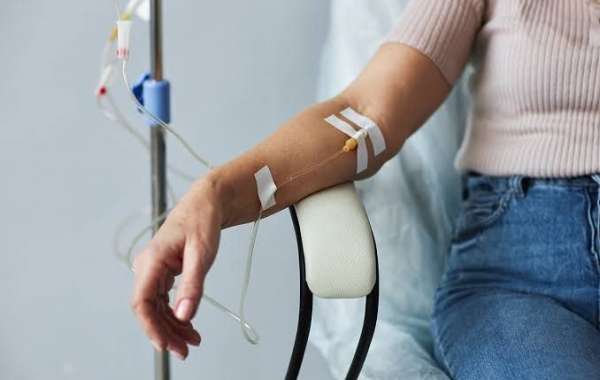
Patients often have questions about intravenous treatment before deciding whether home-based care is appropriate for their needs. IV Drip at Home in Dubai can provide a convenient option for patients who have been clinically assessed as suitable for receiving prescribed IV therapy at home. A Doctor at Home may assess the patient's condition when appropriate and help determine whether intravenous treatment is suitable. Understanding how IV therapy works, what preparation is required, how safety is maintained, and what patients can expect during treatment can make the experience less uncertain. Asking questions before treatment also gives patients an opportunity to discuss their medical history and any concerns with a qualified healthcare professional.
What Is an IV Drip?:
An IV drip is a method of delivering prescribed fluids or medications directly into a vein through an intravenous catheter. Because the treatment enters the bloodstream directly, it should be administered by a qualified healthcare professional according to an appropriate clinical plan. The type of fluid, amount, and administration rate depend on the patient's individual circumstances and the purpose of treatment. IV therapy may be considered in situations where intravenous administration is clinically appropriate, but it is not automatically necessary for common symptoms such as tiredness or mild dehydration. A healthcare professional should first assess the patient and determine whether an IV treatment is suitable.
Who Can Receive IV Drip Treatment at Home?:
Home IV treatment may be suitable for selected patients when a healthcare professional has determined that the treatment can safely be provided outside a medical facility. Eligibility depends on the patient's health condition, treatment requirements, medical history, and overall stability. People recovering at home, patients with limited mobility, or individuals who have difficulty traveling may sometimes benefit from professionally managed home treatment when clinically appropriate. However, patients with serious or unstable symptoms may require hospital-based assessment instead. A professional evaluation helps determine whether home IV treatment is a reasonable option for the individual.
Is IV Drip Treatment Safe at Home?:
When prescribed appropriately and administered by a qualified healthcare professional, IV treatment can be provided in a home setting for suitable patients. Safety depends on several factors, including proper patient assessment, appropriate fluid selection, infection-control practices, correct IV catheter placement, and monitoring throughout treatment. Patients should provide complete information about their medical history, allergies, medications, and existing conditions before treatment begins. They should also report any unusual symptoms immediately during the session. Home treatment should never mean reduced clinical standards; professional procedures and monitoring remain important throughout the process.
What Should Patients Do Before an IV Drip?:
Preparation can help make an IV session more comfortable and organized. Patients should follow any specific instructions provided by their healthcare professional rather than relying on general advice. Before treatment, patients can prepare by:
Keeping a clean, well-lit treatment area available
Wearing clothing that allows easy access to the selected IV site
Preparing a list of current medications
Sharing information about allergies and medical conditions
Informing the provider about recent symptoms or illnesses
Asking questions about the treatment plan
Following any specific eating or drinking instructions provided
Patients should not make major changes to medications, diet, or fluid intake unless instructed by a qualified healthcare provider.
Does IV Treatment Hurt?:
Patients may feel a brief pinch or mild discomfort when the IV catheter is inserted into the vein. After successful placement, the catheter is designed to remain in position while the prescribed treatment is administered. Some patients may notice mild awareness around the insertion site, but significant or increasing pain should be reported immediately. Patients should also inform the healthcare professional if they experience burning, swelling, pressure, or unusual discomfort. Proper positioning and professional insertion techniques can help support patient comfort during the procedure.
How Long Does an IV Drip Session Take?:
The duration of an IV treatment can vary depending on the prescribed fluid, treatment plan, infusion rate, and individual patient circumstances. There is no single standard duration that applies to every IV session. The healthcare professional determines the appropriate administration rate according to the treatment instructions and the patient's needs. Patients should plan to remain relatively still during the infusion and avoid unnecessary movement of the arm containing the IV line. Before treatment begins, patients can ask the provider for an estimated duration so they can arrange their schedule and prepare a comfortable place to sit or lie down.
What Happens During the Treatment?:
During an IV session, the healthcare professional first reviews relevant information and prepares the necessary equipment. The IV insertion site is selected and cleaned before the catheter is inserted. Once the catheter is secured, the prescribed fluid or medication is administered according to the treatment plan. The professional monitors the patient and observes the IV site throughout the session. Patients should communicate any unusual symptoms as soon as they occur. Common aspects of professional monitoring may include:
Observing the IV insertion site
Checking the flow of the prescribed treatment
Asking about patient comfort
Watching for unusual symptoms
Assessing the patient when concerns arise
Managing the catheter appropriately after treatment
This structured approach helps support safe administration in the home environment.
What Symptoms Should Patients Report During IV Treatment?:
Patients should communicate promptly if they notice anything unusual during an IV session. Mild awareness at the insertion site may occur, but significant symptoms should not be ignored. Patients should report swelling, increasing pain, burning, leakage, redness, dizziness, nausea, breathing difficulty, or any other unexpected change in how they feel. The healthcare professional can then assess the situation and determine the appropriate response. Patients should never attempt to adjust the IV flow, reposition the catheter, or disconnect the equipment independently unless specifically instructed to do so by a qualified professional.
Can Patients Eat or Drink Before IV Treatment?:
Whether a patient should eat or drink normally before an IV session depends on the treatment and individual medical circumstances. Many patients may follow their usual routine unless their healthcare provider gives different instructions. However, people with conditions that require fluid restrictions or those experiencing nausea, vomiting, or other symptoms may require individualized guidance. Patients should tell the healthcare professional if they have had difficulty eating or drinking before the appointment. Rather than deliberately consuming excessive fluids before an IV drip, patients should follow the hydration and dietary instructions provided for their specific situation.
Are There Risks Associated With IV Drips?:
Like other medical procedures, IV treatment can involve potential risks. These may include bruising, discomfort, bleeding, irritation, infiltration, or infection at the insertion site. Some patients may also experience other reactions depending on the fluid or medication administered. Certain medical conditions can make fluid administration more complicated, which is why professional assessment is important. Patients should provide complete medical information before treatment and immediately report unexpected symptoms. Professional monitoring can help identify problems during treatment and determine whether the IV should be adjusted, stopped, or otherwise managed.
What About Patients With Medical Conditions?:
Patients with existing medical conditions should discuss them with the healthcare professional before receiving IV treatment. Conditions involving the heart, kidneys, fluid balance, or other important body systems may influence whether IV therapy is appropriate and how it should be administered. Patients taking multiple medications should also provide an updated medication list. This information allows the healthcare provider to consider relevant precautions. IV therapy should always be individualized rather than treated as a one-size-fits-all service. Patients should never assume that an IV treatment appropriate for one person will be appropriate for another.
What Happens After the IV Drip?:
After the prescribed treatment is complete, the healthcare professional removes the IV catheter using appropriate technique and checks the insertion site. Patients may receive individualized aftercare instructions depending on their treatment and health condition. They should observe the IV site for unusual pain, swelling, redness, bleeding, or other changes and follow any instructions provided by the healthcare professional. Patients should also continue any prescribed treatment for their underlying condition. If serious symptoms such as difficulty breathing, chest pain, fainting, severe confusion, or rapidly worsening illness occur, prompt medical attention may be necessary rather than continued home observation.
Can Caregivers Stay During the Treatment?:
Family members or caregivers can often remain nearby during a home IV session when appropriate. Their presence may provide practical and emotional support, particularly for older adults or patients who require assistance. Caregivers can help prepare the treatment area, keep relevant medical information available, and communicate observations to the healthcare professional. However, caregivers should not manipulate the IV catheter, change the flow rate, or attempt clinical procedures unless they have been appropriately trained and authorized to do so. Professional supervision should remain responsible for the actual IV treatment and monitoring process.
Final Thoughts:
Understanding common questions before receiving IV Drip at Home in Dubai can help patients approach treatment with greater confidence and realistic expectations. From eligibility and preparation to treatment duration, safety, monitoring, and aftercare, every patient's experience may vary according to their individual medical needs. Professional assessment is essential to determine whether IV therapy is appropriate and whether it can safely be provided at home. Patients should openly discuss their medical history, medications, allergies, symptoms, and concerns with their healthcare provider before treatment. When clinically indicated and professionally managed, home IV therapy can provide a structured option for suitable patients while maintaining attention to safety and patient comfort.