
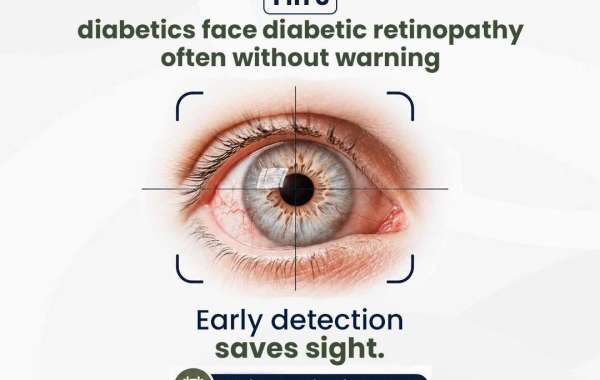
Diabetes can affect many parts of the body, including the eyes. One of the important eye complications associated with diabetes is diabetic retinopathy, a condition that affects the blood vessels of the retina, the light-sensitive layer at the back of the eye.
What makes diabetic retinopathy particularly important is that it can develop gradually and may cause few or no noticeable symptoms in its early stages. A person may feel that their vision is normal while changes are already occurring inside the eye. Regular retinal examinations can therefore play an important role in protecting vision.
What Is Diabetic Retinopathy?
The retina contains a network of tiny blood vessels that supply it with oxygen and nutrients. Persistently high blood sugar can damage these small blood vessels over time.
In the early stage, blood vessels may become weakened and leak blood or fluid into the retina. As the disease progresses, some blood vessels may become blocked, reducing the retina's blood supply. In response, the eye may develop abnormal new blood vessels. These fragile vessels can bleed and cause further complications.
Diabetic retinopathy can affect people with both type 1 and type 2 diabetes, and the risk generally increases with longer duration of diabetes and poor blood sugar control.
What Are the Symptoms?
One of the challenges with diabetic retinopathy is that symptoms may not appear during the early stages.
As the condition progresses, a person may notice:
- Blurred or fluctuating vision
- Difficulty seeing fine details
- Dark spots or floating shapes
- Sudden changes in vision
- Distorted vision
- Difficulty seeing at night
- Vision loss in more advanced cases
Importantly, waiting for symptoms before getting an eye examination may allow retinal changes to progress unnoticed.
Diabetic Macular Edema: When Central Vision Is Affected
Diabetes can also cause diabetic macular edema (DME). The macula is the central part of the retina responsible for sharp, detailed vision.
When damaged retinal blood vessels leak fluid into the macula, swelling can occur. This may result in blurred or distorted central vision and can interfere with activities such as reading, driving or recognizing faces.
A person with diabetes can therefore have retinal disease even if they have not experienced obvious vision loss.
Who Is at Greater Risk?
Several factors can increase the likelihood of diabetic eye complications.
These include:
Long-standing diabetes: The risk of diabetic retinopathy generally increases the longer a person has diabetes.
High blood sugar: Persistent elevation of blood glucose can contribute to damage of retinal blood vessels.
High blood pressure: Uncontrolled blood pressure can further affect the delicate blood vessels of the retina.
Abnormal cholesterol levels: Blood lipid abnormalities may also be associated with an increased risk of diabetic eye complications.
Pregnancy: People with diabetes who become pregnant may require additional eye monitoring, as pregnancy can influence diabetic retinopathy.
These factors make diabetes management and regular medical and eye examinations an important part of long-term vision care.
Why Regular Eye Examinations Matter
Diabetic retinopathy can be detected before significant symptoms develop. A comprehensive dilated eye examination allows an ophthalmologist to examine the retina and look for changes in its blood vessels.
Depending on the findings, additional retinal imaging such as Optical Coherence Tomography (OCT) or retinal photography may be recommended.
For people living with diabetes, regular eye examinations should be considered part of their overall diabetes care, not something to schedule only after vision problems begin.
The appropriate frequency of examinations depends on factors such as the type and duration of diabetes, previous retinal findings and overall health.
Can Diabetic Retinopathy Be Treated?
Treatment depends on the stage and specific retinal changes.
Depending on the condition, an ophthalmologist or retina specialist may recommend treatments such as:
- Intravitreal injections to reduce retinal swelling or control abnormal blood vessel growth
- Laser treatment in selected cases
- Vitrectomy surgery when significant bleeding or other complications affect the eye
Not everyone with diabetic retinopathy requires the same treatment. Early detection helps the ophthalmologist determine whether monitoring, medical management or a specific retinal procedure is appropriate.
Protecting Your Eyes When You Have Diabetes
Taking care of your eyes starts with taking care of your overall health.
Work with your treating doctor to maintain appropriate blood sugar and blood pressure levels, follow your prescribed diabetes treatment, maintain healthy lifestyle habits and attend recommended eye examinations.
Most importantly, don't assume that clear vision means your retina is healthy. Diabetic retinopathy can progress without obvious symptoms.
If you notice sudden floaters, flashes, blurred vision, dark areas or sudden vision loss, seek an eye examination promptly.
When Should You Consult a Retina Specialist?
If you have diabetes and have been diagnosed with diabetic retinopathy, unexplained changes in vision, retinal swelling or bleeding, a retinal evaluation may be recommended.
If you are looking for the best retina specialist in Andheri West, a detailed retinal examination can help identify diabetes-related changes and determine the appropriate course of care.
At Dr. Vaidya Eye Hospital, retinal evaluation and management can help patients understand their eye condition and the steps needed to protect their vision.
Don't Wait for Vision Loss to Check Your Retina
Diabetic retinopathy is a potentially serious complication of diabetes, but early detection and appropriate management can make an important difference in protecting vision.
If you have diabetes, make retinal eye examinations part of your regular healthcare routine, even when your vision seems perfectly normal.