When a printing press needs a replacement component, the purchasing process often begins with a simple question: which part will fit the machine correctly? In practice, identifying suitable Offset Printing Machine Spare Parts may require several details, especially when a press has been operating for many years or has undergone previous repairs.
The machine manufacturer and model provide a useful starting point, but they may not be sufficient on their own. A component can vary according to production year, machine configuration, assembly position, or later design revisions. Part numbers, drawings, measurements, and photographs of identification markings can help narrow down the possibilities. For electrical items, additional information about connectors, ratings, and control-system requirements may be necessary.
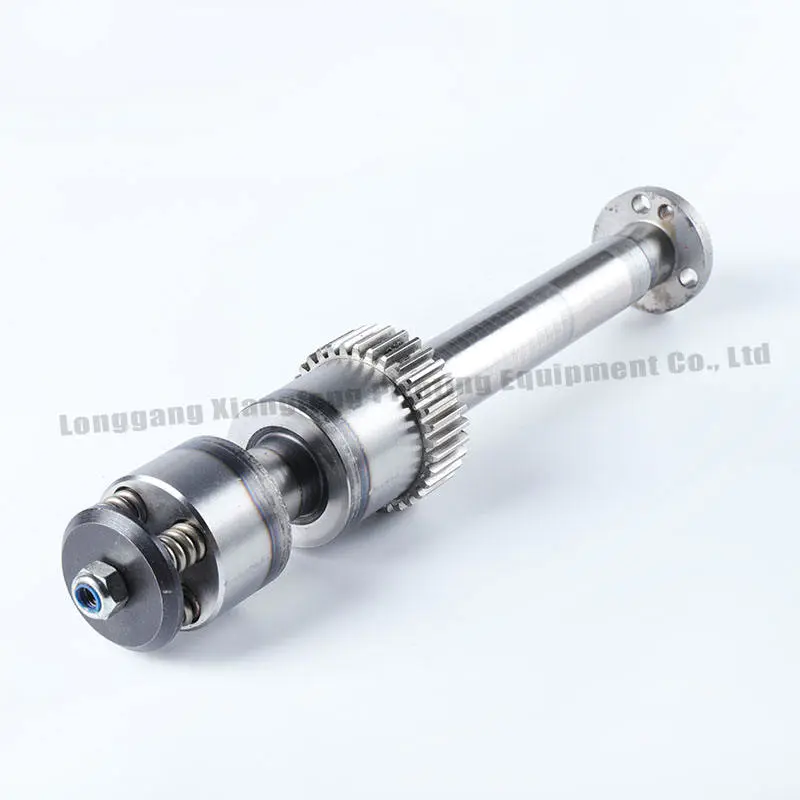
Appearance alone is an unreliable basis for confirming compatibility. Two gears may look similar while differing in tooth geometry or dimensions. Bearings that share a general shape may have different specifications, and sensors with similar housings may use different output signals. Before ordering Offset Printing Machine Spare Parts, buyers should confirm the characteristics relevant to the component's actual function rather than assuming that visually similar products are interchangeable.
Clear communication between maintenance and purchasing teams can prevent avoidable errors. Technicians usually understand where a component is installed and what function it performs, while purchasing staff coordinate quotations, lead times, quantities, and delivery requirements. Sharing the machine model, part number, installation location, required specifications, and available reference images gives suppliers a more complete basis for checking a replacement.
Inventory planning presents a separate challenge. Keeping every possible spare component on hand can tie up storage space and working capital, but ordering everything only after a failure may extend downtime. A more balanced approach categorizes parts according to how frequently they are used, how likely they are to fail, how quickly replacements can be obtained, and how severely a shortage would affect production.
For example, commonly replaced components with predictable demand may justify minimum stock levels. Less frequently used electronic assemblies or model-specific parts may require supplier lead-time checks and documented sourcing information instead. Historical maintenance records can help teams adjust these decisions as equipment ages or production schedules change.
Organized records also improve repeat purchasing. Maintaining a reference list for Offset Printing Machine Spare Parts, including verified part numbers, compatible press models, previous orders, and supplier details, reduces the need to identify the same component from scratch each time. Any changes in machine configuration or replacement specifications should be recorded so that outdated information does not lead to incorrect orders.
A reliable sourcing process connects technical identification with practical purchasing decisions. By confirming compatibility before ordering, keeping useful component records, and prioritizing inventory according to production risk, printing businesses can make replacement planning more predictable without maintaining unnecessary quantities of every spare part.