
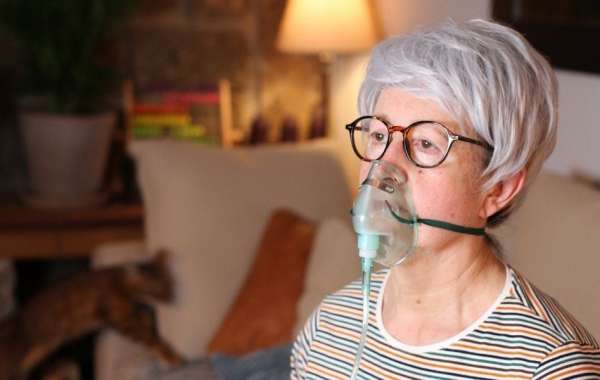
Breathing difficulties, persistent fatigue, and reduced stamina can sometimes indicate that a patient is not receiving enough oxygen through normal breathing. For eligible patients, Oxygen Therapy At Home In Dubai can provide prescribed supplemental oxygen to help maintain adequate blood oxygen levels and support daily comfort. A Doctor at Home service or qualified healthcare professional can assess symptoms, review oxygen measurements, and determine whether further medical evaluation is necessary. However, symptoms alone cannot confirm that oxygen therapy is required. Recognizing potential warning signs and seeking timely medical advice can help patients receive appropriate care while reducing the risks associated with untreated low blood oxygen levels.
Understanding When Supplemental Oxygen May Be Necessary:
Supplemental oxygen is prescribed when a patient's blood oxygen level is lower than the clinically appropriate range for their condition. This can occur with chronic obstructive pulmonary disease (COPD), certain lung diseases, severe respiratory infections, and other medical conditions that affect oxygen exchange. Some patients require oxygen temporarily during recovery, while others may need longer-term treatment following a medical assessment. Breathlessness does not automatically mean that oxygen is necessary, and unnecessary oxygen use can be inappropriate for some patients. Healthcare professionals consider symptoms, oxygen saturation measurements, medical history, and sometimes blood tests before recommending treatment. Patients should never start oxygen therapy or change an existing prescription without professional guidance.
Persistent Shortness of Breath During Everyday Activities:
One possible warning sign is breathlessness during routine activities that previously felt manageable, such as walking across a room, getting dressed, preparing meals, or climbing a few stairs. Patients with respiratory conditions may notice that they need frequent breaks or take longer to recover after mild exertion. Although these symptoms can be associated with low oxygen levels, they may also result from other medical problems, including infection, heart conditions, or worsening lung disease. Patients should discuss persistent or increasing breathlessness with a healthcare professional, especially if it represents a change from their usual condition. Severe or sudden breathing difficulty requires emergency medical assistance rather than waiting for a home assessment.
Unusual Fatigue and Reduced Energy Levels:
Persistent tiredness or weakness may occur when the body is not receiving sufficient oxygen, although fatigue has many possible causes. Patients may feel exhausted after basic activities, struggle to complete familiar tasks, or require more rest than usual. Sleep problems, medication effects, anemia, infection, and other health conditions can produce similar symptoms, so fatigue alone cannot establish a need for supplemental oxygen. If a patient experiences unexplained or worsening exhaustion alongside respiratory symptoms, a medical assessment can help identify the underlying cause. Healthcare professionals may review oxygen saturation and other clinical findings to determine whether oxygen therapy or another treatment is appropriate.
Changes in Skin, Lip, or Nail Colour:
A bluish or grey appearance around the lips, face, or fingernails can sometimes indicate inadequate oxygen in the blood, particularly when accompanied by breathing difficulties. This change, sometimes called cyanosis, is a serious warning sign that should not be ignored. However, skin colour changes may be less noticeable in some people, and their absence does not rule out low oxygen levels. If a patient develops blue or grey lips, severe breathlessness, confusion, or chest pain, seek emergency medical assistance immediately. Do not delay care to obtain a pulse oximeter reading or attempt to correct the problem by changing oxygen settings without medical direction.
Confusion, Dizziness, or Difficulty Concentrating:
Low oxygen levels can affect the brain and may contribute to confusion, unusual drowsiness, difficulty concentrating, or changes in alertness. Patients might seem disoriented, have trouble following conversations, or behave differently from their usual selves. These symptoms can also occur because of infection, medication effects, low blood sugar, stroke, or other urgent medical conditions. Sudden confusion, fainting, or a significant change in consciousness requires immediate medical assessment. Caregivers should not assume that oxygen deficiency is the only explanation or simply increase the patient's oxygen flow rate. Prompt evaluation helps identify the cause and ensures that appropriate treatment is provided.
Understanding the Role of Pulse Oximeter Readings:
A pulse oximeter is a small device that estimates blood oxygen saturation, commonly displayed as SpO₂. Healthcare professionals may recommend using one at home to monitor patients with certain respiratory conditions or to follow an individualized treatment plan. A reading below the patient's prescribed target range may require medical advice, but interpretation depends on the person's diagnosis and clinical circumstances. Measurements can be affected by cold fingers, movement, poor circulation, nail products, and device limitations. Caregivers should follow instructions for taking readings correctly and consider them alongside symptoms. A normal-looking reading does not rule out every serious problem, and severe symptoms require urgent care regardless of the displayed number.
Recognizing Symptoms in Patients With Chronic Respiratory Conditions:
People with COPD, interstitial lung disease, and other chronic respiratory conditions may experience changes in breathing, activity tolerance, or oxygen levels as their illness progresses. Some may require supplemental oxygen at rest, during physical activity, or while sleeping, depending on clinical findings. Others may not need oxygen despite experiencing breathlessness. Warning signs that deserve medical review include increasing difficulty with daily activities, worsening cough, changes in mucus, repeated respiratory infections, or declining exercise tolerance. Regular follow-up appointments allow clinicians to reassess the patient's condition and determine whether treatment changes are needed. Patients should follow their existing oxygen prescription and seek advice before making any adjustments.
How Healthcare Professionals Assess the Need for Oxygen:
Determining whether a patient needs supplemental oxygen involves more than identifying symptoms. A healthcare professional may review medical history, examine breathing, measure oxygen saturation, and arrange additional tests such as an arterial blood gas analysis when indicated. Assessment may also consider whether oxygen levels change during rest, activity, or sleep. The clinician then determines whether oxygen therapy is appropriate, what delivery equipment should be used, and the prescribed flow rate and schedule. For patients considering Oxygen Therapy At Home In Dubai, professional assessment helps ensure that treatment is based on clinical need rather than assumptions. Patients and caregivers should receive clear instructions about monitoring, equipment safety, and follow-up care.
Preparing the Home for Prescribed Oxygen Therapy:
When oxygen therapy is recommended, preparing the home can help make treatment safer and more manageable. Families should understand how to operate the prescribed equipment, follow cleaning and maintenance instructions, and arrange a reliable supply or backup plan as advised by the supplier. Essential precautions include:
Keep oxygen equipment away from smoking, candles, open flames, and other ignition sources.
Never smoke or allow visitors to smoke near oxygen equipment.
Secure cylinders according to the supplier's instructions.
Keep tubing arranged to reduce tripping hazards.
Follow the prescribed oxygen flow rate and schedule.
Contact the equipment supplier if the device malfunctions or the supply is interrupted.
Keep medical contact details and emergency instructions accessible.
Oxygen supports combustion, so strict fire safety is essential. Patients should never change prescribed settings or attempt unauthorized equipment repairs.
Knowing When to Seek Medical Attention:
Recognizing warning signs is important, but knowing how quickly to respond is equally essential. Persistent fatigue, gradually worsening breathlessness, or reduced activity tolerance should prompt medical review, particularly in patients with known lung or heart conditions. Severe breathing difficulty, chest pain, blue or grey lips, sudden confusion, or loss of consciousness requires emergency assistance. If a patient already uses oxygen and symptoms worsen, do not assume that increasing the flow rate will solve the problem. Follow the clinician's emergency plan and seek appropriate care. Timely assessment can help identify complications and determine whether oxygen treatment, another intervention, or urgent hospital evaluation is necessary.
Final Thoughts.
Recognizing possible signs of low blood oxygen can help patients and caregivers seek medical advice before symptoms become more serious. Persistent breathlessness, unexplained fatigue, changes in alertness, and abnormal oxygen saturation readings may warrant assessment, but none should be used alone to decide whether oxygen therapy is needed. A qualified healthcare professional can evaluate the patient's condition and recommend an appropriate treatment plan. For those exploring Oxygen Therapy At Home In Dubai, professional guidance is essential for safe equipment use, symptom monitoring, and ongoing care. Never start or adjust oxygen independently, and seek emergency assistance for severe or sudden symptoms.