
Serving several types of customer can make a restaurant more flexible, but it also creates competing demands. A table wants its main courses, a collection customer has arrived and a delivery order is waiting to be packed. Those requests reach the same kitchen even when they begin on different screens.
The challenge is coordination. Every order needs a clear identity, an understood priority and a realistic route through preparation. A platform can help make the work visible, while the restaurant still needs to agree how employees respond when demand builds.
Begin with the shared parts of service. Follow the information from each channel into the kitchen and back to the person responsible for the customer. The gaps in that journey are the best places to improve.
Make the fulfilment method clear immediately
An order should tell staff how it will reach the customer. Dine in, collection and delivery require different handovers, packaging and timing. Make sure that distinction is visible wherever the team first receives the request.
Check the details attached to each type. A table order needs a dependable table reference. A collection order needs a way to identify the right customer and agreed time. Delivery needs information suited to the restaurant's actual transport arrangement.
Test how those details appear on the equipment staff use. A useful label on a manager's screen may be less obvious on a printed ticket. Employees should not need to infer the fulfilment method from the menu items or a note hidden elsewhere.
Agree who corrects an unclear order before preparation. The kitchen should receive an accurate instruction, while the person clarifying it needs a reliable route to the customer and a place to record the answer.
Understand where the kitchen workload meets
Look beyond the number of incoming orders. Several purchases containing the same preparation-intensive dish may create more pressure than a larger number of simpler meals. Discuss which stations become busy and which tasks require the same equipment.
Observe the point where channels converge. The online screen, till and table ordering route may create separate streams, but staff need an understandable view of the work already accepted. Otherwise, each channel can look manageable while the combined queue becomes difficult.
Ask the chef and service supervisor to describe a realistic peak. Note where they currently rely on memory, verbal messages or repeated checks. Those details can guide changes to order presentation and staff responsibility.
Keep the exercise practical. A rough sequence of accepted orders and preparation work can reveal the issue without requiring a complicated forecasting model that the team will not maintain.
Consider a collection order whose customer arrives while a booked party is ordering several main courses. The counter employee needs to find the order and understand its current progress, while the kitchen needs an accurate sequence for preparation. If the counter promises immediate completion without checking that sequence, the two teams now hold different commitments. Rehearse how the employee obtains an informed answer and communicates it back to the customer. The exercise can reveal whether the missing element is a visible status, a clear responsibility or a conversation that staff have not agreed how to conduct.
Demonstrate the combined order journey
Use several service types in the supplier demonstration. Place a table order, add a collection purchase and then introduce a delivery request. Check where each appears, what prints and how the responsible employee knows the next action.
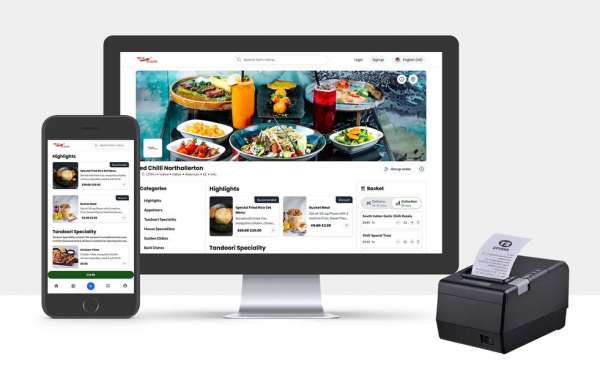
When evaluating restaurant management software UK restaurants can use for mixed service, follow that combined workload. OrderApps supports several ordering channels; verify their interaction in the configuration intended for your restaurant.
Include a realistic amendment, such as a changed collection time or an unavailable item. Ask how the original instruction is superseded and how the kitchen distinguishes the current order from an earlier version.
Confirm what happens automatically and what needs staff input. Visibility is valuable, but it should not create a false assumption that the platform makes every preparation or dispatch decision on the restaurant's behalf.
Give one person responsibility for the overall queue
During a busy period, somebody needs to look across the accepted work. That may be a supervisor, an experienced kitchen employee or another suitable role. The important point is that the responsibility is explicit.
Define the decisions this person can make. They might coordinate customer updates, discuss new availability with the kitchen or resolve a conflict between expected handover times. Colleagues should know when to bring an issue to them.
Avoid a process in which every employee independently promises a faster result. A well-meant reassurance at the counter can conflict with the kitchen's actual plan. The customer needs an answer connected to the current accepted workload.
Make responsibility transferable at shift change. The next person needs to know which orders require attention and which commitments have already been made. A short, current handover is more useful than relying on the departing supervisor's memory.
Set customer expectations from the real service
Review the times customers see or hear when they order. An estimate should reflect the whole process relevant to that customer, including packing or transport where appropriate. The same preparation time may produce different arrival expectations across channels.
Decide how the restaurant communicates a material delay. Staff should know who contacts the customer, what can be stated confidently and where the update is recorded. Repeated optimistic promises can make the experience harder to recover.
Check how supported capacity or availability controls operate before using them. A temporary adjustment should have an owner, a clear purpose and a review point. Employees need to understand when ordinary settings should resume.
Compare the customer-facing message with what staff are working towards. The kitchen, counter and ordering journey should describe compatible expectations, even when each shows different details appropriate to its part of the service.
Protect the final handover
Preparation is only part of fulfilment. Once food is ready, the restaurant still needs to match it to the right party, customer or delivery route. A clear reference should survive from the original order to the final handover.
Choose a practical location and routine for completed orders. Bags waiting for collection should not become confused with meals waiting for transport. The arrangement should fit the physical space and make the next action obvious to staff.
Check the complete order before it leaves. Drinks, additional items and separate packages can be overlooked when employees focus on the main meal. Use a routine suited to the order format rather than assuming the person handing it over prepared every component.
Record completion through the agreed process. Colleagues answering a later enquiry need an accurate account of what happened. A status should reflect an actual event the restaurant has defined and employees understand.
Review pressure points after service
Choose one busy period and discuss it while the details remain clear. Ask where the queue became difficult to interpret, which handovers needed extra conversation and where customer expectations drifted from the working plan.
Distinguish information problems from capacity problems. A clearer ticket may resolve an ambiguous handover, while repeated delays at the same cooking station may need a different operating decision. The software should help the restaurant see the distinction.
Make one focused improvement and test it through the next comparable service. That could be a clearer fulfilment label, a revised responsibility or a different availability setting. Record the purpose so the team can judge whether the change helped.
Mixed service becomes manageable when every order reaches a shared operating plan. Make the fulfilment method visible, coordinate accepted work and protect the final handover. Customers can then use different ordering routes while the restaurant maintains one clear understanding of what it has promised.