
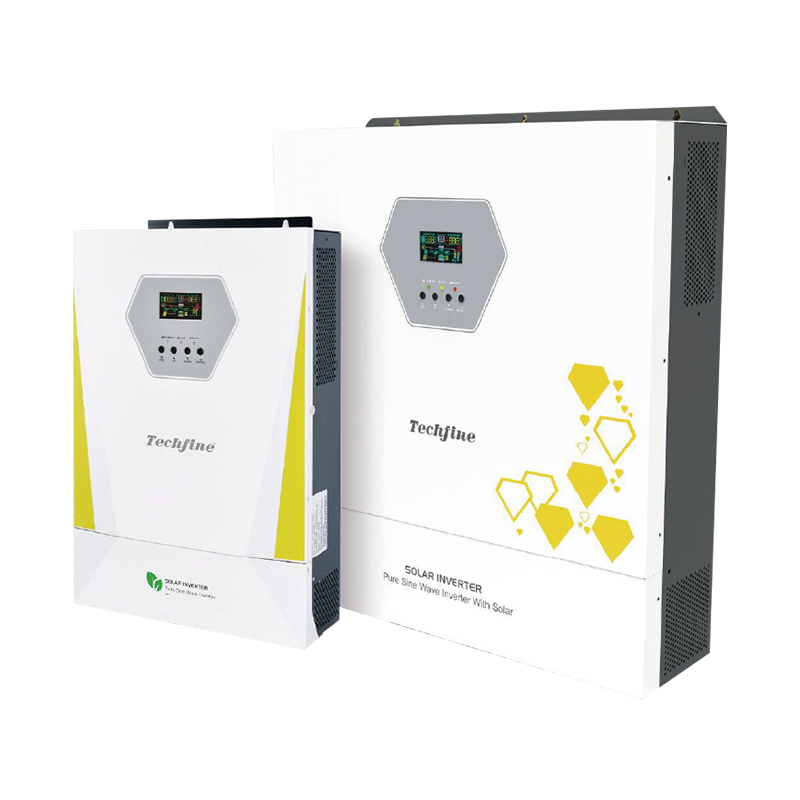
Solar projects often look similar on paper because they use photovoltaic panels to generate electricity, but their operating conditions can differ considerably. A commercial building connected to a utility network may use solar generation alongside grid power, while a remote facility may need to maintain its own supply through solar panels and battery storage. An On Grid Off Grid Solar Inverter is relevant to these different arrangements, depending on the specific model and its supported operating modes.
The main distinction lies in how the system manages power. Grid-connected installations must meet the electrical requirements of the local utility network. Off-grid systems, by contrast, need to supply connected loads without relying on an available utility connection. Battery compatibility, charging behavior, load demand, and expected operating duration therefore become important considerations for independent power systems.
Some projects combine solar generation, battery storage, and utility power. In these cases, compatibility between the inverter, battery, photovoltaic array, and connected loads requires particular attention. Buyers should establish the system voltage, output frequency, PV input range, battery specifications, expected load profile, and intended operating modes before confirming an order. Rated power alone does not describe every condition the equipment must handle.
Physical configuration also matters in project supply. Terminal positions, enclosure dimensions, cooling arrangements, communication interfaces, display options, and connection methods may vary between models. When several configurations are included in one order, approved datasheets and wiring diagrams help purchasing teams, engineers, and production personnel work from the same specifications.
Factory inspection provides another important checkpoint. Depending on the product design, checks may cover component installation, wiring connections, terminal identification, enclosure condition, labeling, and selected electrical or functional parameters. Clear model identification and production records also help distinguish units with different specifications during assembly, packing, and delivery.
For international projects, documentation and destination-market requirements should be clarified before production starts. Buyers may need model-specific datasheets, wiring information, operating instructions, and confirmation of applicable electrical requirements. These details help reduce uncertainty during installation planning, although factory testing does not replace on-site commissioning.
An On Grid Off Grid Solar Inverter should ultimately be evaluated as part of a complete power system rather than as an isolated device. Clear information about generation, storage, loads, grid conditions, and communication needs gives the project team a more reliable basis for matching equipment to its intended operating environment.