
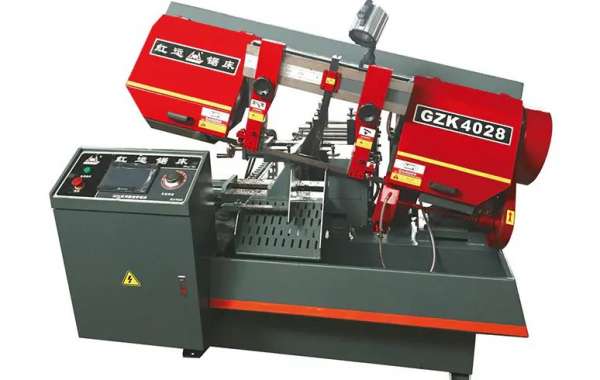
In metal processing, unexpected equipment downtime can delay machining schedules and affect delivery arrangements. A CNC Sawing Machine relies on several interacting components, including the saw blade, feeding mechanism, clamping system, control unit, and drive components. Regular maintenance helps keep these parts in suitable working condition and allows operators to identify developing problems before they interrupt production. A clear maintenance routine is useful for factories handling daily cutting orders across different materials and dimensions.
Inspect the Saw Blade Before Operation
The blade directly affects cutting performance, surface quality, and processing time. Before starting a job, operators should check for damaged teeth, unusual wear, and other visible problems. Blade selection should match the workpiece material, dimensions, and machine requirements. If cutting becomes slower or edges become rougher than expected, inspect the blade and operating settings instead of increasing feed pressure without checking the cause.
Keep the Feeding System Clean
Metal chips and cutting residue can accumulate around the feeding mechanism, guides, and workpiece support areas. Excessive buildup may interfere with material movement or affect positioning. Operators should clean these areas according to the equipment manual and follow the recommended shutdown procedure before performing maintenance. Keeping the loading and discharge zones clear also helps prevent unnecessary handling problems during production.
Check Clamping and Positioning Components
The workpiece must remain secure while the blade cuts through the material. Loose clamping components or incorrect positioning can affect cutting quality and may create safety risks. Routine checks should cover the clamping mechanism, material guides, and relevant positioning components. If a workpiece moves during cutting, stop the operation and investigate the cause before continuing the batch.
Monitor Cutting Parameters
Cutting speed, feed rate, and blade selection should correspond to the material and workpiece dimensions. Incorrect settings can contribute to premature blade wear, rough edges, or excessive machine load. When operators change from aluminum to steel, for example, they should verify the appropriate settings instead of automatically reusing the previous program. Recording successful parameters for recurring jobs can support more consistent operation.
Maintain Coolant and Lubrication Systems
Some CNC sawing machines use coolant to manage heat and support chip removal, while lubrication requirements depend on the machine design. Check fluid levels, condition, delivery, and recommended replacement intervals where applicable. Follow the manufacturer's instructions for selecting fluids and lubricants. Regular inspection can help prevent issues associated with poor lubrication or insufficient coolant supply.
Establish a Planned Inspection Schedule
Daily checks can be combined with scheduled inspections of electrical connections, moving components, sensors, and control functions. Maintenance frequency should reflect operating hours, material types, and production conditions. Operators should document faults, repairs, blade changes, and unusual machine behavior so maintenance personnel can identify recurring issues.
Prepare for Long-Term Equipment Use
A well-maintained CNC Sawing Machine can support more predictable production when maintenance is combined with correct operating procedures and operator training. Factories should retain technical manuals, maintain essential spare parts, and establish a clear process for reporting faults. These practices help reduce avoidable interruptions and keep cutting operations aligned with production requirements.
https://www.cnzjhyjc.com/product/cnc-sawing-machine/