
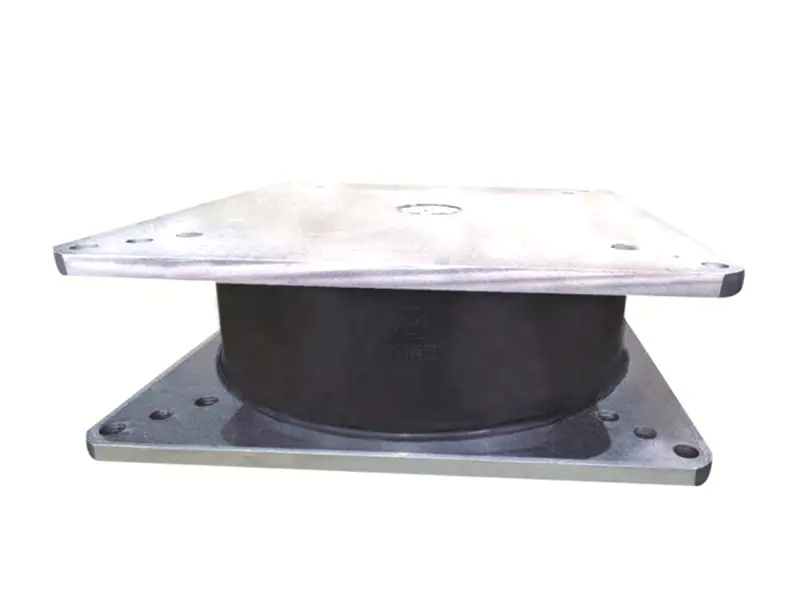
In a seismic isolation system, the connection between the foundation and the structure above is just as important as the isolation component itself. Building Rubber Isolation Bearings are installed at designated structural interfaces, where their position and supporting surfaces affect how vertical loads are transferred. Even a bearing manufactured to the required dimensions may not perform as intended if the surrounding connection details do not match the construction drawings.
Preparation starts before the bearing arrives on site. Embedded plates, sleeves, anchor components, and reinforcement must be arranged to accommodate the specified connection method. Their locations need to be coordinated with the structural layout so that reinforcement does not obstruct bolt holes or interfere with installation. Templates can help maintain the intended spacing and alignment while the concrete support is being prepared.
Dimensional checks should take place at several stages rather than being left until installation day. Before concrete placement, the site team can verify the position and elevation of embedded components against the approved drawings. After pouring, another inspection can identify movement or dimensional changes that occurred during the work. A final check before placing the bearing helps confirm that the supporting surface and connection points remain within the project's specified tolerances.
Concrete strength is another consideration. The support should reach the strength required by the project specifications before the bearing and its connections are installed or loaded. The exact acceptance criteria and installation sequence depend on the structural design, concrete requirements, and approved construction method. A fixed waiting period alone cannot establish whether the support is ready.
Alignment also affects the distribution of forces. If a bearing is positioned incorrectly or rests on an unsuitable surface, the resulting load path may differ from the engineer's assumptions. Depending on the type and extent of the deviation, this can introduce uneven loading, connection difficulties, or additional stresses. Site teams should therefore address discrepancies before proceeding instead of compensating for them through unapproved adjustments.
For building rubber isolation bearings, installation records are useful throughout the construction process. These can include surveyed coordinates, elevation measurements, surface condition checks, concrete strength records, and confirmation that connecting components match the drawings. Protecting exposed openings from concrete debris and keeping bearing contact surfaces clean can also prevent avoidable problems during assembly.
The bearing specification and installation documentation should be reviewed together. Dimensions, design loads, connection arrangements, and installation tolerances need to correspond to the same project requirements. With building rubber isolation bearings, this coordination helps ensure that the installed components remain consistent with the intended structural arrangement, rather than relying on product dimensions alone.