
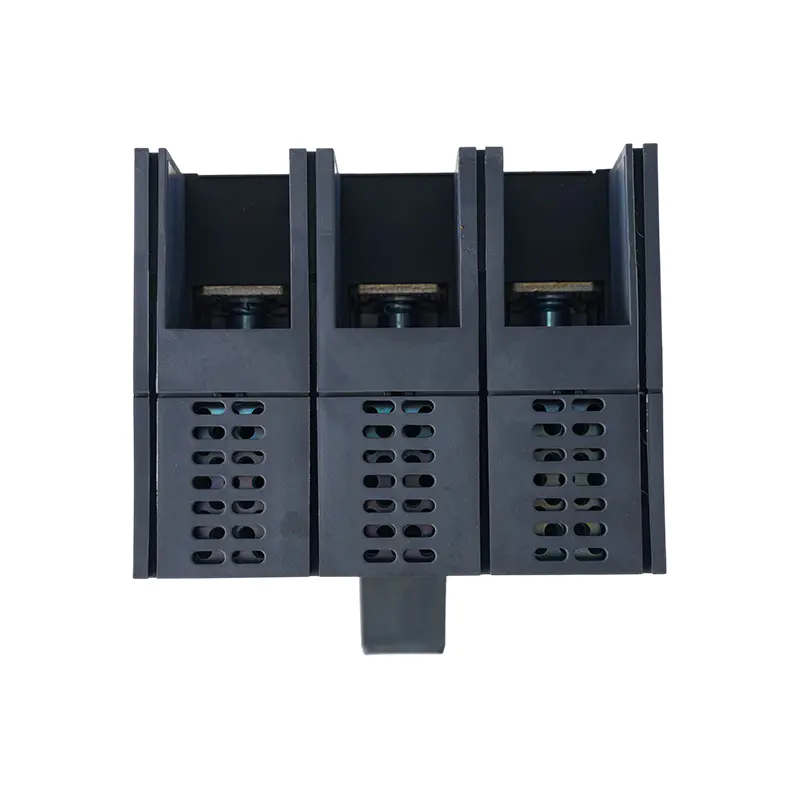
Photovoltaic systems contain several electrical stages, from solar panels and array connections to inverters and distribution equipment. Each stage has its own operating conditions, which influence the selection of circuit protection devices. A Photovoltaic High-Voltage Molded Case Circuit Breaker is designed for a specific application category, but its suitability still depends on the electrical requirements of the installation.
Voltage is one of the first parameters engineers examine. The CHM1HU series is listed for photovoltaic applications in the 800V–1140V range. However, a voltage rating alone does not determine whether a breaker fits a particular circuit. Rated current, breaking capacity, pole configuration, and the type of current involved must also be checked against the system design.
The distinction between AC and DC applications is especially important. Solar panels generate direct current, while inverters convert that energy into alternating current for many distribution applications. Protection devices on different sides of the conversion process may therefore have different requirements. A breaker should not be selected simply because its voltage value appears suitable; its documented ratings must cover the actual circuit conditions.
Molded case circuit breakers are commonly used in electrical distribution systems for switching and protection against specified overcurrent and short-circuit conditions. Their characteristics vary by model, including current range, trip mechanism, and interrupting capacity. Photovoltaic-specific models add another layer of application classification, helping engineers distinguish equipment intended for solar installations from general-purpose circuit breakers.
For panel builders and system designers, accurate technical documentation makes this distinction easier to assess. Equipment schedules and circuit diagrams should identify the intended circuit, operating voltage, rated current, fault level, and applicable installation requirements. These details are particularly useful when several types of circuit breakers appear in the same product catalogue.
Choosing a Photovoltaic High-Voltage Molded Case Circuit Breaker also involves checking compatibility with connected equipment and the project's protection coordination requirements. The breaker must work within the wider electrical design rather than being evaluated as an isolated component. Applicable standards and verified product data should guide the final selection.
As solar installations become more varied in size and configuration, circuit protection is increasingly specified according to application and operating conditions. Clear product classification helps reduce confusion during design reviews and equipment integration. Ultimately, the most relevant breaker is not simply the one with the highest voltage figure, but the one whose documented electrical characteristics match the circuit it is intended to protect.