
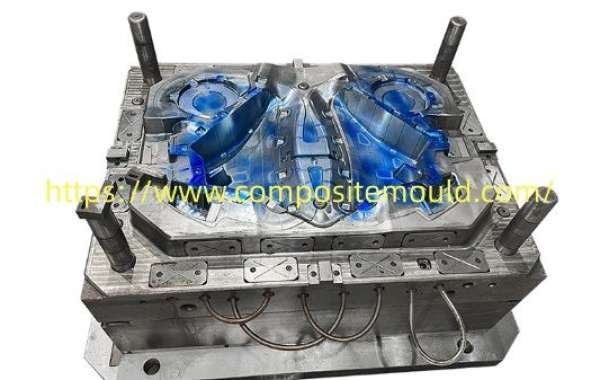
Prepreg Mould selection and production planning can influence the appearance and consistency of composite components. For manufacturers working with reinforced materials, surface imperfections may appear as tiny pits, raised lines, wrinkles, dull patches, or uneven resin marks. These issues do not always share the same cause. Examining the production sequence, from tool preparation to final release, helps teams identify where adjustments may be needed and develop a practical inspection plan.
Tool Preparation Can Leave Visible Marks
The working surface of a tool provides the shape and finish transferred to the component. Dust, cured resin residue, scratches, and small areas of damage may create visible marks after processing. Even when the material is placed correctly, an unclean or worn surface can affect the final appearance.
Before production begins, operators should inspect the working area under suitable lighting. Cleaning methods should match the tool material, coating, and release system. Any damage that could transfer to the component should be assessed before the next production run.
Release preparation also requires consistency. Uneven application or residue from a previous cycle may produce local differences in appearance or make removal more difficult. Following a documented preparation routine helps operators repeat the same steps and identify changes when a defect appears.
For manufacturers handling multiple component designs, recording tool maintenance activities can help distinguish surface problems caused by tooling from those associated with material placement or processing.
Trapped Air Can Create Small Pits
Tiny pits and bubbles may develop when air remains between the material and the working surface. These defects can be difficult to prevent in areas with tight curves, recessed details, corners, or changes in thickness.
Material placement plays an important role. If a layer bridges across a curved section instead of following the intended contour, a gap may remain beneath it. Air trapped in that space may not escape during consolidation, leaving a visible mark after curing.
A controlled placement sequence can help reduce this risk. Operators should pay attention to corners, transitions, and other areas where the material needs careful shaping. Where the selected process uses vacuum bagging, the sealing arrangement and vacuum stability should also be checked.
When small pits appear repeatedly in the same location, inspect the corresponding area of the tool and review how the layers were positioned. Comparing several affected components may help determine whether the pattern relates to a particular feature or production step.
Material Handling Can Affect the Finish
Reinforced resin materials require handling conditions suited to their resin system and fibre structure. Uncontrolled exposure, contamination, or handling beyond the specified working period may change how the material behaves during placement and processing.
Foreign particles can become visible through the finished surface, particularly where the outer layer is intended to provide a smooth appearance. Gloves, cutting surfaces, worktables, and storage areas should therefore be kept clean according to the production procedure.
Operators should also check material identification and follow the supplier's storage, conditioning, and handling instructions. If a batch has unusual tack or does not conform as expected, the team should document the observation before continuing.
Consistent handling practices make it easier to compare production runs and identify whether a change in material condition may be related to a new surface issue. Suspected material problems should be evaluated alongside tooling and process records rather than treated as the sole cause without inspection.
Layer Placement Influences Surface Uniformity
Wrinkles, ridges, and uneven texture may arise when layers are not positioned smoothly or when the reinforcement shifts during forming. These issues can occur around compound curves, narrow channels, and transitions between different thicknesses.
A planned placement sequence helps operators manage these areas. Each layer should follow the specified orientation and contour, with particular care taken to avoid folds, bridging, and unwanted overlaps. The appropriate method depends on the material system and component geometry.
Resin distribution also affects the finished surface. Local areas with uneven resin content may look different from the surrounding material, while exposed reinforcement can create a rougher appearance. Reviewing placement and consolidation procedures can help teams identify possible contributors.
For complex shapes, a trial component can provide useful information before routine production begins. Feedback from inspection can then be used to refine placement instructions and clarify the areas that need additional attention.
Processing Conditions Need Consistent Control
Temperature, pressure, vacuum, and curing time should follow the approved process for the selected material. Changes in these conditions can influence consolidation, resin movement, and the final surface.
If heating is uneven or a programmed cycle is not followed correctly, different areas of a component may respond differently during processing. However, surface defects should not automatically be blamed on curing conditions alone. Material state, tool preparation, and layer placement may also contribute.
Manufacturers should retain relevant process records and check that equipment is maintained and calibrated according to established procedures. When a change is considered, it should be evaluated against the approved process and documented acceptance criteria.
A useful investigation compares the defect location with production records, inspection observations, and tool condition. This approach helps teams make focused adjustments instead of changing several settings at once without understanding their effects.
Discuss Your Composite Tooling Project with compositemould
A consistent surface finish begins with careful coordination between tool design, material handling, placement methods, and production control. Reviewing these factors gives manufacturers a clearer basis for investigating visible imperfections and planning practical improvements. Businesses preparing a new composite component or reviewing existing tooling requirements can visit compositemould at https://www.compositemould.com/product/ to review available options and discuss component geometry, surface finish expectations, and project-specific manufacturing needs.