
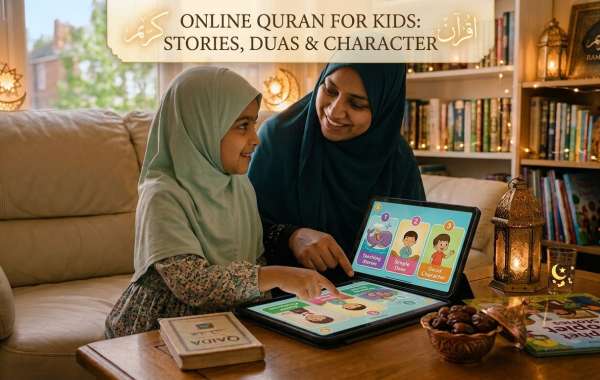
Children do not learn values from lectures alone. They learn from stories, repetition, daily habits, and the example of the adults around them. The Quran offers all of these: gentle stories of the prophets, short duas for everyday moments, and clear lessons on honesty, kindness, and gratitude. This article shows parents and teachers how to introduce these lessons in a way that is simple, engaging, and age-appropriate.
- Why Is the Quran a Good Source of Character Building?
The Quran is the holy book of Islam, and its teachings shape belief, worship, and behavior. For children, it can be introduced as a guide to being truthful, patient, respectful to parents, and kind to others. When these lessons are connected to real situations, such as sharing with a sibling or saying thank you, they become practical rather than abstract. Early exposure also builds a feeling of closeness with the Quran that stays with a child into adulthood.
- Which Prophet Stories Suit Young Children?
Stories are one of the easiest ways to hold a child’s attention. Good starting points include:
- Prophet Nuh (Noah): patience and trust in Allah.
- Prophet Ibrahim: courage, honesty, and faith.
- Prophet Yusuf: forgiveness and good character.
- Prophet Musa: bravery and reliance on Allah.
- Prophet Sulaiman: gratitude and kindness, including toward animals.
Keep each story short, use simple words, and end with one clear lesson the child can remember.
- Which Short Surahs Should Children Learn First?
Short surahs are easy to memorize and are used in daily prayer, so children practice them often.
- Al-Fatihah: recited in every unit of prayer.
- Al-Ikhlas: the oneness of Allah.
- Al-Falaq and An-Nas: seeking Allah’s protection.
- Al-Asr: the value of time and good deeds.
- Al-Kawthar: the shortest surah, easy for beginners.
Learn one or two verses at a time, repeat them daily, and revise old surahs regularly.
- Which Daily Duas Are Helpful for Kids?
Duas teach children to remember Allah in ordinary moments.
- Before eating: saying Bismillah.
- After eating: thanking Allah for the food.
- Before sleeping and on waking up.
- Entering and leaving the home or the mosque.
- When sneezing or feeling worried.
Attach each dua to a daily routine so it becomes automatic instead of something to memorize separately.
- How Do You Teach the Meaning in a Child-Friendly Way?
- Use simple language: explain one verse in a sentence or two.
- Connect to daily life: link a verse about kindness to something that happened that day.
- Ask gentle questions: “What did we learn about honesty today?”
- Use pictures and activities: drawing or simple craft ideas help younger children.
- Avoid pressure: curiosity grows when learning feels safe and enjoyable.
- How Can Children Learn Correct Recitation?
Meaning and stories build love, but correct pronunciation needs a teacher who can listen and fix mistakes right away. Many parents choose Online quran classes for kids so that children can learn from home, in a familiar setting, with flexible timings and personal attention. Before enrolling, request a trial lesson and notice whether the teacher is patient, speaks kindly to the child, and keeps the session interesting.
- What Can Parents Do at Home?
- Set a short daily time for recitation or listening.
- Recite in front of children, since they copy what they see.
- Read a story together once or twice a week.
- Praise effort, not only results.
- Keep a small chart to mark each completed day.
- Be consistent, even when lessons are short.
- How Can You Keep Lessons Fun?
- Mix recitation with stories and small activities.
- Let the child choose a favorite surah or story occasionally.
- Use small rewards for milestones, such as completing a surah.
- Avoid comparing the child with siblings or classmates.
- Take short breaks during longer sessions.
- How Long Does Progress Take?
- Short surahs and duas: a few weeks to a few months, depending on frequency.
- Noorani Qaida: 3 to 6 months for young children.
- Fluent reading: 6 to 12 months afterward.
- Basic understanding of stories and lessons: grows steadily with regular discussion.
Every child learns at a different pace, so patience matters more than speed.
- Common Mistakes to Avoid
- Using fear or punishment to force learning.
- Teaching too much at once, which overwhelms the child.
- Skipping revision, causing forgetting.
- Ignoring correct pronunciation while focusing only on memorization.
- Irregular routines, which weaken the habit.
Frequently Asked Questions
How can I teach my child Quran stories?
Use short, simple versions, tell them at a calm time such as bedtime, and end with one clear lesson.
Which surahs should my child learn first?
Start with Al-Fatihah, Al-Ikhlas, Al-Falaq, An-Nas, Al-Asr, and Al-Kawthar.
At what age can children start learning duas?
Many children can begin simple duas around age 3 or 4 by repeating after a parent.
How can I make my child interested in the Quran?
Keep sessions short and positive, use stories, praise effort, and model the habit yourself.
Can my child learn recitation online?
Yes, when lessons are live and one-on-one so the teacher can hear and correct the child in real time.
What if my child loses interest?
Shorten the lessons, change the activity, take a break, and return with encouragement.
Conclusion
Teaching children through stories, duas, and short surahs makes the Quran a living part of their daily lives. Keep lessons simple, stay patient, and combine home practice with qualified guidance for recitation. Over time, these small steps help children grow into confident readers with good character and a lasting love for the Quran.