
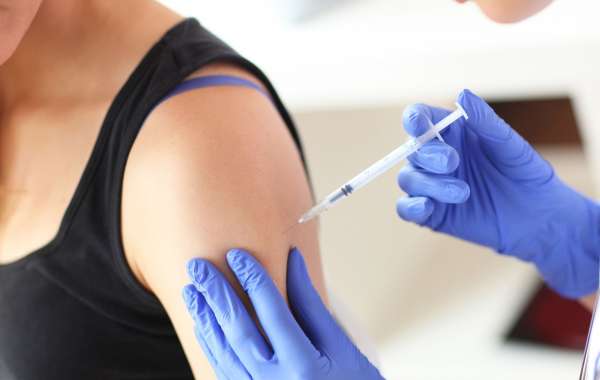
Human papillomavirus (HPV) vaccination is an important preventive healthcare option for young adults who want to reduce their risk of certain HPV-related diseases. If you are considering HPV Vaccine at Home in Dubai, understanding the benefits, eligibility requirements, and recommended dose schedule can help you make an informed decision. A qualified healthcare professional, including a Doctor at Home when appropriate, can review your medical history and explain whether vaccination may be beneficial. Although HPV vaccination is most effective before exposure to the virus, eligible young adults can still gain protection against HPV types they have not previously encountered.
Understanding HPV and Its Health Risks:
HPV is a common group of viruses transmitted mainly through intimate skin-to-skin contact. Many infections clear naturally without causing symptoms or long-term health problems. However, persistent infection with certain high-risk HPV types can cause changes in cells that may eventually develop into cancer. HPV is associated with cervical, anal, penile, vaginal, vulvar, and oropharyngeal cancers. Other HPV types can cause genital warts. Since an infection may remain unnoticed for years, people cannot reliably determine their HPV status based on symptoms alone. Preventive vaccination helps reduce the risk of infection from selected types before exposure occurs.
Can Young Adults Still Benefit from the HPV Vaccine?
Yes. Young adults who have not completed the HPV vaccination series may still benefit from receiving the vaccine. Catch-up vaccination is generally recommended for people who have not been adequately vaccinated through age 26. Even if someone has already been exposed to one HPV type, vaccination may protect against other types included in the vaccine that they have not encountered. However, the vaccine does not treat an existing HPV infection, genital warts, abnormal cervical cells, or HPV-related cancer. Adults should discuss their vaccination history and potential benefits with a healthcare professional to determine whether completing or starting the series is appropriate.
Key Benefits of HPV Vaccination for Young Adults:
HPV vaccination offers important preventive benefits during young adulthood, particularly for individuals who missed routine vaccination during adolescence. It helps protect against selected HPV types responsible for many HPV-related cancers and some cases of genital warts. Vaccination can also support long-term health by reducing the likelihood of developing certain HPV-related conditions in the future. Important benefits include:
Cancer prevention: Helps protect against HPV types associated with cervical and several other cancers.
Protection against genital warts: Certain vaccine products protect against HPV types that cause most genital warts.
Protection for all sexes: Recommended for eligible men and women.
Long-term immune protection: Helps the immune system recognize selected HPV types.
Catch-up opportunity: Allows eligible young adults to receive protection if they missed vaccination earlier.
The level of protection depends on the vaccine product and whether the recommended doses are completed.
What Is the Recommended Age for HPV Vaccination?
HPV vaccination is routinely recommended at ages 11–12 and can begin at age 9 because protection is strongest when vaccination occurs before exposure to the virus. However, young adults who were not vaccinated or did not complete their series may still qualify for catch-up vaccination. It is generally recommended through age 26 for those who have not been adequately vaccinated. Adults aged 27–45 may discuss potential benefits with a healthcare professional through shared clinical decision-making. Vaccination is not routinely recommended for every adult in this older age group because the expected benefit varies according to individual circumstances and previous exposure.
How Many HPV Vaccine Doses Do Young Adults Need?
The number of doses generally depends on the age when the first HPV vaccine dose was administered and whether the individual has certain immune-related health conditions. People who start the series before their 15th birthday usually need two doses, separated by 6–12 months, if they are immunocompetent. Those who begin at age 15 or older generally need three doses, commonly given at 0, 1–2, and 6 months. People with certain immunocompromising conditions are generally advised to receive three doses, even if they started before age 15. Anyone who received previous doses should have their vaccination record reviewed before deciding how many remain.
Is the HPV Vaccine Safe for Young Adults?
HPV vaccines have been extensively studied and are considered safe for eligible individuals. Most side effects are mild and temporary, although reactions can vary from person to person. Common side effects include pain, redness, or swelling at the injection site, headache, mild fever, tiredness, and muscle discomfort. Some people may feel dizzy or faint after an injection, which is why remaining seated and being observed for approximately 15 minutes is generally recommended. Serious allergic reactions are rare. The vaccine contains virus-like particles rather than live HPV, so it cannot cause HPV infection. Discuss any previous severe allergic reactions or relevant medical conditions with a healthcare professional before vaccination.
Important Considerations Before Getting the HPV Vaccine:
Before receiving the HPV vaccine, young adults should review their medical history and previous vaccination records with a qualified healthcare professional. This helps determine eligibility, identify any precautions, and establish the correct dose schedule. Vaccination may be postponed if someone is moderately or severely ill, while individuals with a history of a severe allergic reaction to a previous dose or vaccine component may need specialist assessment. HPV vaccination is generally delayed during pregnancy, with remaining doses usually given after pregnancy. Consider the following points before booking:
Check whether you have received any previous HPV vaccine doses.
Inform the provider about allergies and previous vaccine reactions.
Discuss medical conditions or treatments that affect immune function.
Ask which HPV vaccine product is being offered.
Confirm the number of doses and recommended intervals.
Discuss pregnancy or other relevant circumstances with your healthcare professional.
These steps help ensure that vaccination is planned appropriately.
Does HPV Vaccination Replace Cervical Screening?
No. HPV vaccination does not replace cervical screening for people with a cervix. Although the vaccine protects against selected HPV types responsible for many cervical cancer cases, it does not cover every cancer-causing HPV type. People should continue screening according to local medical recommendations, even after completing the vaccination series. Screening can identify certain cervical cell changes before they develop into cancer, allowing timely medical follow-up. Young adults should ask their healthcare professional when screening is appropriate based on their age, medical history, and local guidelines. Vaccination and screening work together as important preventive measures.
Choosing HPV Vaccine at Home in Dubai:
Home vaccination can be a convenient option for young adults who prefer receiving healthcare services in a familiar setting. With HPV Vaccine at Home in Dubai, eligible individuals may be able to arrange an appointment without travelling to a clinic. However, convenience should always be supported by appropriate medical standards. Choose a licensed healthcare provider that uses qualified professionals, maintains vaccines within the manufacturer's recommended temperature range, follows sterile injection practices, and documents each administered dose. The healthcare professional should review medical history, explain possible side effects, provide post-vaccination guidance, and help arrange follow-up doses. Confirm that the service complies with applicable Dubai healthcare regulations before booking.
How Young Adults Can Stay on Track With Vaccination:
Completing the recommended HPV vaccine series is important for achieving the intended protection. Busy schedules, travel, and work commitments can sometimes cause people to miss follow-up appointments, so keeping accurate records is helpful. After each dose, save the vaccination certificate and confirm the next appointment date with the provider. If a dose is delayed, the series generally does not need to be restarted; a healthcare professional can review the record and advise on the remaining doses. Setting reminders and keeping vaccination information accessible can make it easier to complete the schedule correctly.
Final Thoughts
HPV vaccination remains a valuable preventive option for young adults who missed routine vaccination during adolescence or need to complete their series. It helps protect against selected HPV types associated with certain cancers and genital warts, although it does not treat existing infections or replace recommended cervical screening. Understanding eligibility, dose requirements, possible side effects, and individual medical considerations can help young adults make informed decisions. For those considering HPV Vaccine at Home in Dubai, choosing a qualified healthcare provider supports convenient vaccination, safe administration, and appropriate follow-up. Taking preventive action at the right time can contribute to better long-term health.