
https://www.notedtools.com/product/plastering-trowels/
A construction worker may begin the morning laying bricks, move on to a narrow section near a wall corner, and finish the day handling smaller mortar adjustments. Using the same tool for every situation may seem convenient, but it can also make certain tasks unnecessarily difficult. For professional buyers, choosing the right Bricklaying Trowel means understanding how different blade designs support different working methods.
When One Tool Cannot Do Everything Equally Well
A large blade may be useful when handling mortar for general bricklaying, but it may feel less convenient when working around restricted spaces or performing detailed adjustments.
Likewise, a smaller trowel can offer better control for certain tasks but may require more frequent movements when handling larger amounts of mortar.
The problem is not necessarily the worker's technique. Sometimes, the tool simply does not match the job.
Match Blade Design to the Application
Different masonry trowels are designed for different purposes.
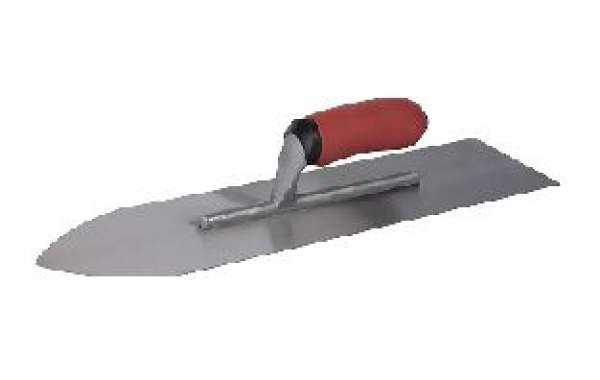
Brick trowels are commonly used to collect and spread mortar during bricklaying. Pointing trowels are useful for smaller areas and detailed mortar work, while other specialized designs support particular masonry applications.
Blade length, width, shape, and material should be considered according to the intended task.
For contractors, having suitable tools available can help workers move between different stages of a project without repeatedly trying to adapt an unsuitable tool.
Build a More Practical Product Selection
For hardware wholesalers and construction equipment distributors, offering a range of trowel styles can serve different customer requirements.
When evaluating a Bricklaying Trowel supplier, consider product variety, blade finishing, handle options, material specifications, and consistency between models.
It is also helpful to understand which designs are most commonly used in the target market.
Better Tool Selection Means Less Compromise
Professional masonry work involves different movements and working conditions. Choosing tools according to their actual applications helps workers approach each task with greater confidence.
For distributors, explaining these differences can also make product selection easier for customers and support more informed purchasing decisions.