
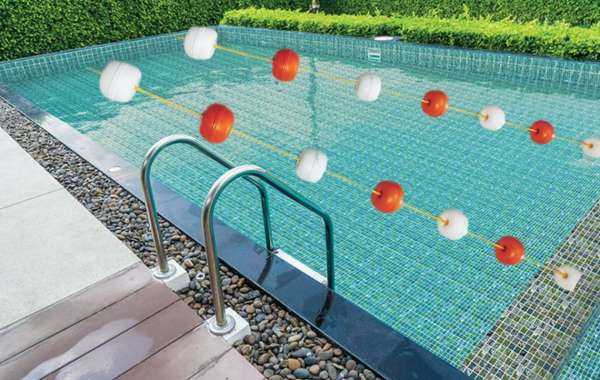
A pool lane is an important part of any swimming pool, especially those used for training, competitions, or fitness activities. It helps swimmers stay in their designated space, maintain rhythm, and swim without colliding with others. Whether in a public pool, a school pool, or an Olympic-sized arena, pool lanes ensure structure, safety, and efficiency for all swimmers.
In simple terms, pool lanes are the marked sections in a pool that divide the water into equal spaces for each swimmer. These divisions are usually created using lane ropes or floating dividers that reduce waves and turbulence between lanes. The number and size of pool lanes can vary depending on the pool’s purpose — from leisure swimming to professional racing.
In this article, we’ll explore everything about pool lanes, including their purpose, types, benefits, setup process, safety rules, and maintenance. By the end, you’ll understand how a simple pool lane can make a huge difference in swimming performance and enjoyment.
What Is a Pool Lane and Its Purpose
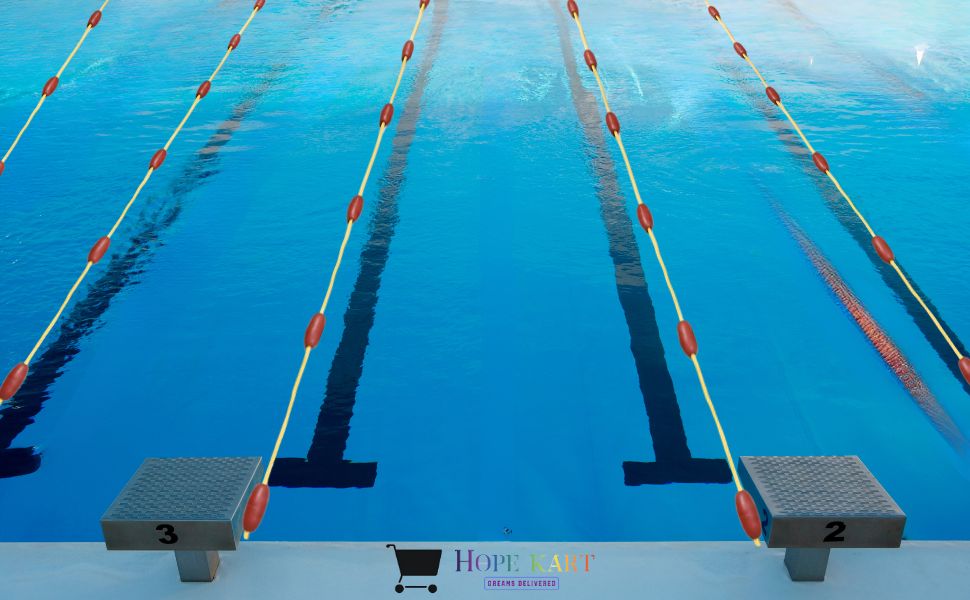
A pool lane is a specific section of the swimming pool that is separated by floating ropes or lane dividers. These lanes are used to organize swimmers and allow them to move in straight lines without interfering with others. Each lane is usually marked with lane ropes that have colored floats or discs to indicate the start, middle, and end of the pool.
The main purpose of pool lanes is to maintain order in the pool. When multiple swimmers use a pool at the same time, chaos can occur if there are no lanes. Pool lanes help divide the pool into sections so that each person has their own space to swim comfortably. This organization is essential for swimming lessons, competitions, and fitness sessions.
Pool lanes also reduce water turbulence. The ropes or dividers are designed to absorb and break waves, preventing water movement from disturbing swimmers in nearby lanes. This makes swimming smoother and faster, especially for professional athletes.
Furthermore, pool lanes improve safety. They prevent collisions, keep swimmers aware of their boundaries, and help lifeguards monitor activities more effectively. Whether you are a beginner or a competitive swimmer, pool lanes make swimming more organized, safer, and more enjoyable.
Different Types of Pool Lanes
There are several types of pool lanes, each designed for a specific purpose and pool type. The most common are competition pool lanes, training lanes, and recreational lanes.
Competition pool lanes are used in swimming tournaments. These lanes are usually 2.5 meters wide and separated by advanced lane dividers that minimize waves. The ropes have color codes, such as green, blue, and yellow, to mark distances. These lanes are built according to international standards set by FINA (Fédération Internationale de Natation).
Training lanes are found in schools, colleges, or community pools. They are designed to help swimmers practice strokes and build endurance. These lanes might not have high-quality dividers like competition pools but still provide a clear structure for organized swimming.
Recreational lanes are common in public pools and gyms. They are used for casual swimming, water aerobics, or relaxation. The dividers in these lanes are often simple and flexible, allowing the pool layout to change depending on the activity.
Some pools also use lap lanes, specifically for swimmers who want to swim continuously for fitness. Lap lanes are usually longer and narrower, allowing individuals to complete laps efficiently.
No matter the type, all pool lanes serve the same goal — to make swimming more organized, enjoyable, and safe for everyone.
Importance of Pool Lanes in Swimming
The importance of pool lanes cannot be overstated. They are essential for both professional and recreational swimming. One of the main reasons is organization. Without lanes, swimmers could easily collide or disrupt each other’s rhythm. Lanes create order, allowing multiple swimmers to share the pool peacefully.
Pool lanes also promote fair competition. In races, each swimmer stays within their lane, ensuring that everyone has an equal distance and fair chance. This makes timing and judging easier and more accurate.
Another important role of pool lanes is improving performance. Because the lane ropes reduce wave interference, swimmers can move more smoothly and maintain a consistent pace. The calm water helps them focus on their technique instead of struggling against turbulence.
For beginners, pool lanes provide confidence. Having a defined space gives new swimmers a sense of safety and direction. They can practice comfortably without worrying about bumping into others.
Lastly, pool lanes help lifeguards and coaches monitor swimmers more effectively. Each lane can be assigned to a specific group or skill level, making supervision easier. Whether for learning, fitness, or competition, pool lanes ensure structure, safety, and fairness in every swimming environment.
How Pool Lanes Are Set Up
Setting up Pool Lane requires planning, precision, and the right equipment. The first step is determining how many lanes the pool will have. This depends on the pool’s width and its purpose. Competitive pools usually have eight or ten lanes, while training pools might have fewer.
Next, lane anchors are installed on both ends of the pool. These are metal hooks or fixtures used to attach the lane ropes securely. The lane ropes are made of a strong cable with floating discs or donuts that help control water movement. The discs are arranged in specific color patterns to indicate distances — for example, red at the ends, yellow in the middle.
Once the anchors and ropes are ready, the lane lines are tightened using a tensioning mechanism. This ensures that the ropes remain straight and stable during swimming. If the ropes are too loose, they might drift, causing disturbance to swimmers.
Pool lanes also require markings on the pool floor. These black lines guide swimmers to stay straight while swimming. The lines usually end with a “T” shape near the pool wall, signaling the swimmer that they are approaching the end.
Proper setup not only enhances performance but also ensures safety and fairness. Whether it’s a professional competition or a school pool, a correctly installed pool lane system is crucial for a smooth swimming experience.
Safety and Etiquette in Pool Lanes
Safety and lane etiquette are vital when using a pool lane. Following simple rules helps everyone enjoy the water without accidents or confusion. One of the first rules is to choose the correct lane. Most pools have lanes labeled by speed — slow, medium, and fast. Swimmers should pick a lane that matches their pace to avoid blocking others.
It’s also important to swim in a circular pattern. In shared lanes, swimmers usually keep to the right side when moving up and down the pool. This prevents collisions and ensures smooth flow.
Before entering a lane, always check for other swimmers. Jumping in without looking can cause accidents. Wait until there’s enough space or signal the swimmers before joining.
Maintaining distance is another key rule. Swimmers should keep at least a few meters apart to avoid kicking or bumping each other.
Respect and communication are part of good pool lane etiquette. If you want to overtake someone, gently tap their foot once, and they will move aside at the wall. Never push or splash others.
Lastly, always follow pool safety rules such as no diving in shallow lanes, no running on deck, and listening to the lifeguard’s instructions. Practicing these behaviors makes the pool a safe, respectful, and enjoyable place for everyone.
Maintenance and Care of Pool Lanes
Proper maintenance of pool lanes ensures long-lasting performance and swimmer safety. Over time, lane ropes and dividers can wear out due to constant water exposure, chlorine, and physical impact. Regular inspection helps identify damage early.
The lane ropes should be cleaned and checked frequently for cracks or broken discs. If damaged parts are found, they should be replaced immediately. Dirty ropes can accumulate algae or debris, which affects water quality and visibility.
Lane anchors and tensioners must also be checked to make sure they remain tight and rust-free. Stainless steel is commonly used to prevent corrosion, but it still needs occasional polishing.
For pools that change layouts often — for example, from lap swimming to open swimming — lane ropes should be stored properly when not in use. Coil them neatly and keep them away from sharp objects or direct sunlight to prevent damage.
Pool staff should also ensure that pool markings are clearly visible. Faded or worn-out floor lines can confuse swimmers.
Good maintenance not only extends the lifespan of pool equipment but also ensures safety and comfort. Clean, strong, and properly aligned pool lanes create the perfect environment for swimmers of all levels to enjoy their time in the water.
Conclusion
A pool lane might look simple, but it plays a vital role in keeping swimming organized, safe, and enjoyable. From competition pools to local gyms, lanes make swimming more structured and efficient. They help prevent accidents, improve performance, and provide fair opportunities for everyone in the water.
Understanding how pool lanes are designed, set up, and maintained can help swimmers appreciate their importance even more. Whether you’re learning to swim or preparing for a race, respecting the pool lane and following proper etiquette ensures a smooth and pleasant experience.
Pool lanes represent discipline, fairness, and teamwork — three qualities that make swimming one of the most rewarding sports in the world.
Questions and Answers
Q1: What is the purpose of pool lanes?
A1: Pool lanes organize swimmers, prevent collisions, and reduce water turbulence, making swimming safer and more efficient.
Q2: How wide is a standard pool lane?
A2: In competitive swimming, a standard pool lane is usually about 2.5 meters wide.